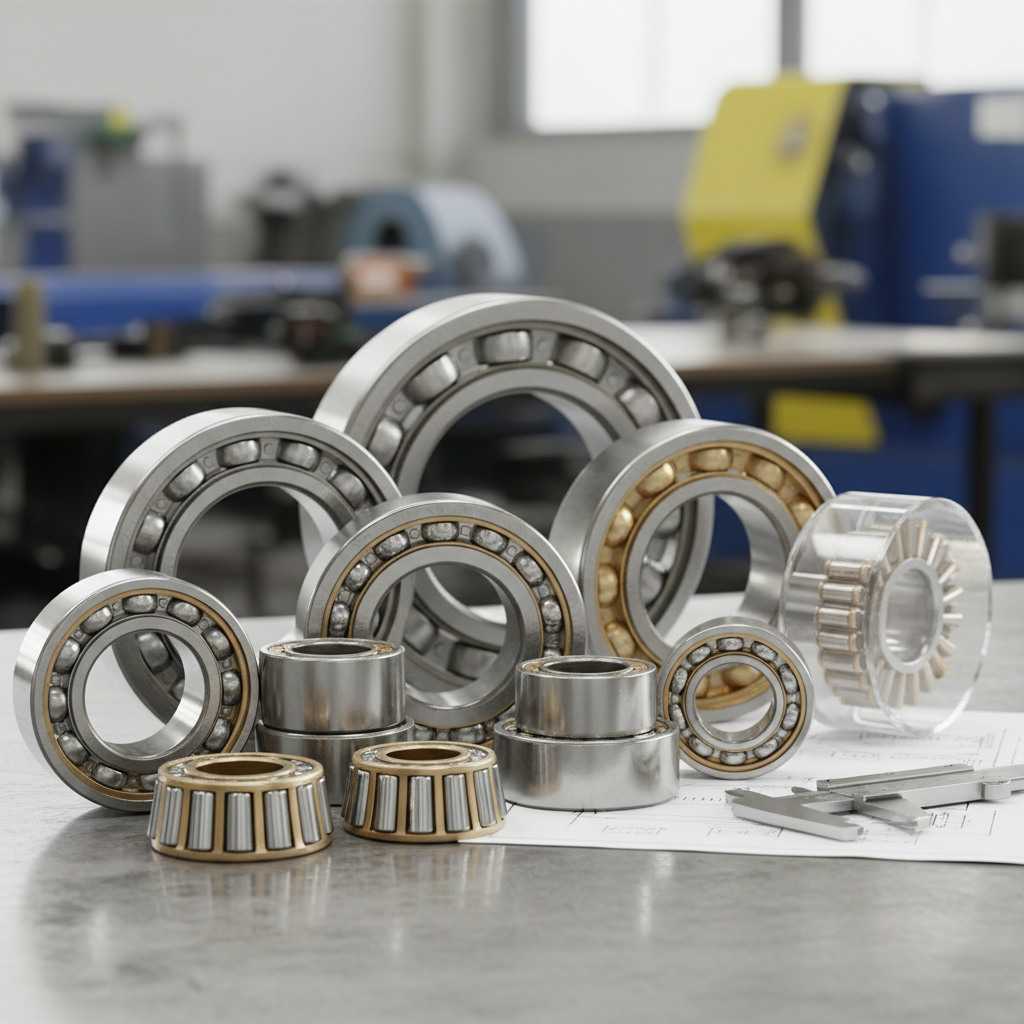
10 Essential Tips for Choosing the Right Roller Bearings
In the intricate world of mechanical engineering, selecting the appropriate roller bearings can profoundly impact the performance and longevity of machinery. As noted by industry expert Dr. Emily Carter, a leading authority in bearing technologies, "The right roller bearings not only enhance efficiency but also minimize maintenance costs over time." This statement underscores the critical role that roller bearings play in various applications, from automotive to aerospace, where precision and reliability are paramount.
Choosing roller bearings involves understanding various factors such as load capacity, speed ratings, and environmental conditions. With the advancements in technology and materials, the options available today can be overwhelming. Therefore, it is essential to equip oneself with key insights and guidelines before making a selection. By following these ten essential tips, engineers and maintenance professionals can ensure that they make informed choices tailored to their specific operational needs.
As we delve into this guide, we will explore the core considerations for selecting roller bearings, empowering you with the knowledge to optimize performance and ensure the longevity of your machinery. Understanding these factors is not merely an option; it's a necessity in driving efficiency and reliability in today's competitive industrial landscape.
Understanding Different Types of Roller Bearings: A Comprehensive Guide
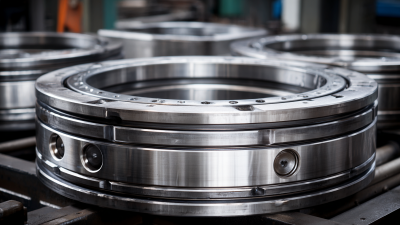
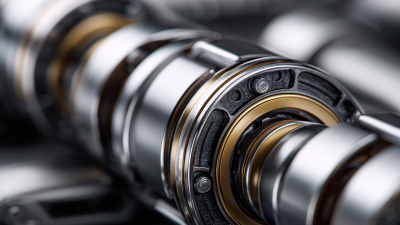
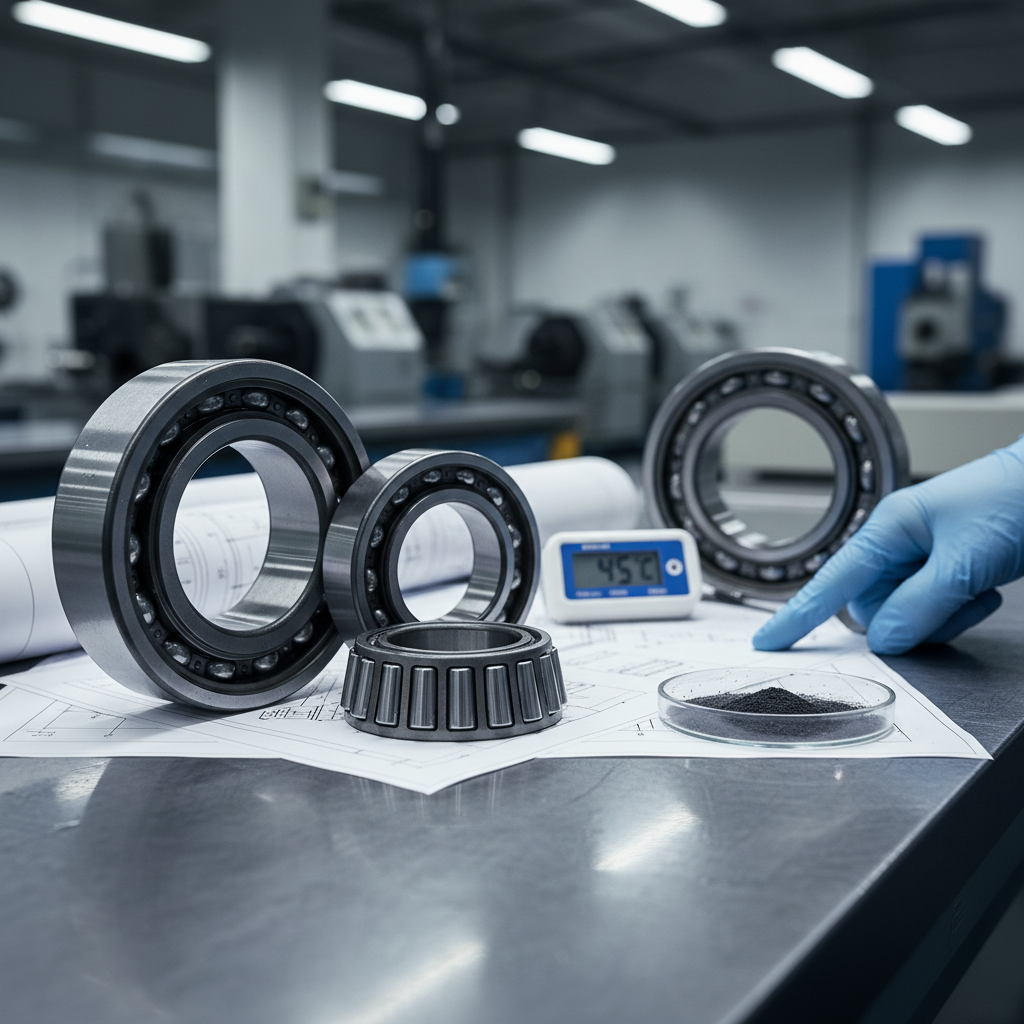
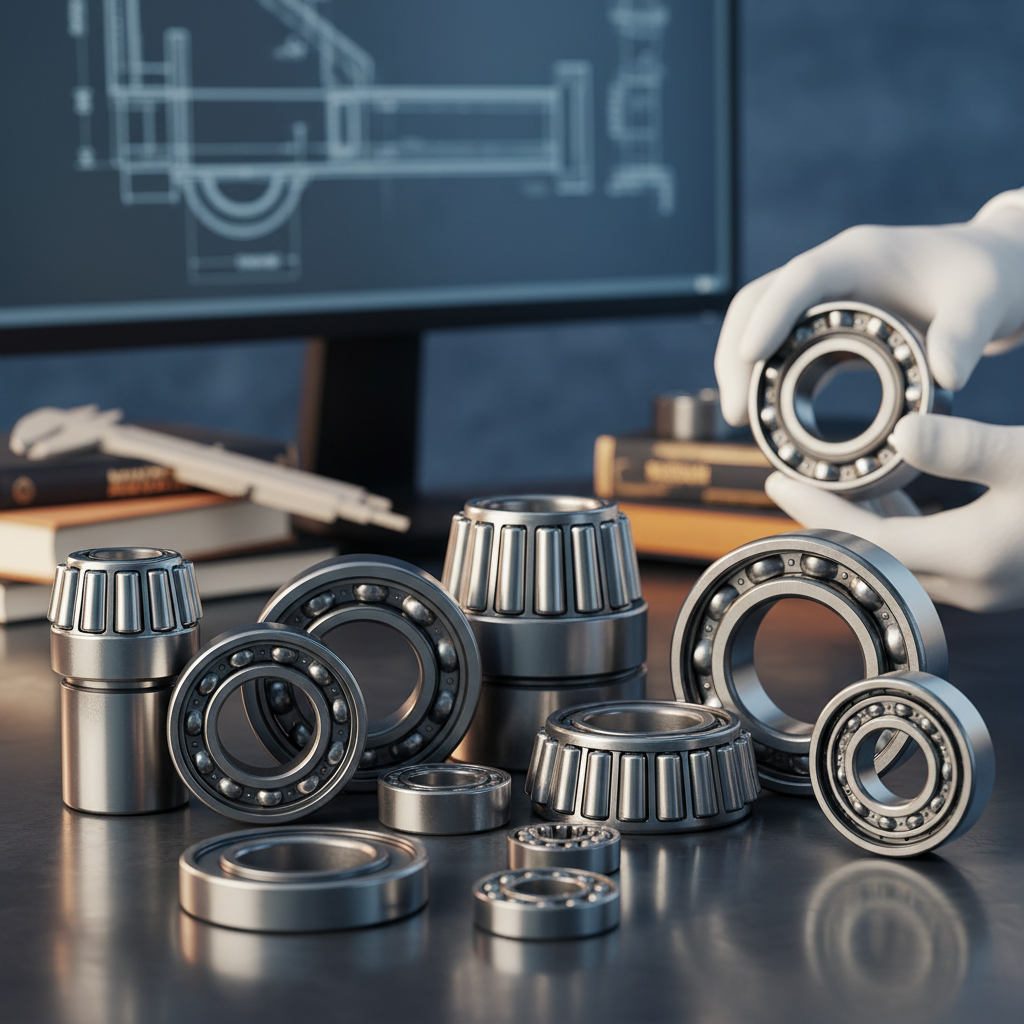
Roller bearings play a crucial role in reducing friction in various machinery and applications. Understanding the different types available is essential in making informed decisions when selecting the right type for your needs. Primarily, roller bearings can be categorized into cylindrical, spherical, and tapered types. Each has unique characteristics that make it suitable for specific loads and applications.
For instance, cylindrical roller bearings can handle high radial loads and are often used in electric motors and gearboxes.
Spherical roller bearings, on the other hand, are designed to accommodate misalignment and can handle both radial and axial loads, making them ideal for applications involving heavy loads and severe conditions. Tapered roller bearings excel in managing combined loads, which makes them perfect for automotive applications like wheel hubs.
By understanding these variations, along with their load capacities, operating conditions, and potential applications, you can better evaluate which roller bearing type will ensure optimal performance and reliability in your specific machinery.
Key Factors to Consider When Selecting Roller Bearings for Your Application
When selecting roller bearings for your application, there are several key factors to consider to ensure optimal performance. First and foremost, load capacity is critical; understanding both static and dynamic loads your bearings will encounter can help you choose bearings that can withstand operational stresses without premature failure. Additionally, the operating environment plays a crucial role—consider factors such as temperature, humidity, and exposure to contaminants, as these can significantly affect bearing longevity and efficiency.
Another vital aspect is the bearing material and type. Different materials, such as steel, ceramic, or composite, offer various benefits, including resistance to corrosion and wear. Furthermore, the type of roller bearing—whether tapered, spherical, or cylindrical—should align with the specifics of your application. Lastly, lubrication requirements must be evaluated, as the right lubricants can enhance performance and extend service life. By keeping these factors in mind, you'll be better equipped to select roller bearings that meet your operational needs effectively.
How to Assess Load Capacity and Performance Requirements for Bearings
When selecting roller bearings, assessing load capacity and performance requirements is critical for ensuring optimal function and longevity. It’s important to consider the bearing's static and dynamic load ratings, which are usually defined by manufacturers. According to the American Bearing Manufacturers Association, the dynamic load rating indicates the maximum load that a bearing can withstand while rotating, while the static load rating refers to the maximum load under stationary conditions. A thorough understanding of these ratings allows engineers to select bearings that will perform adequately under expected operational conditions.
Furthermore, analyzing operating conditions such as speed, temperature, and environment is essential for determining the most suitable bearing type. The SKF Group reports that for high-speed applications, the load capacity must often be recalibrated, as increased speeds can lead to reduced bearing life. Additionally, the choice of materials and lubrication can significantly affect the performance and load capacity of the bearings. For instance, selecting bearings made from high-quality steel or ceramic can provide better fatigue resistance and durability in demanding applications. By carefully evaluating these criteria, one can ensure that chosen roller bearings will meet both performance and reliability expectations.
The Importance of Materials and Coatings in Roller Bearing Selection
When selecting roller bearings, understanding the importance of materials and coatings is crucial for ensuring optimal performance and longevity. The primary materials used in roller bearings include steel, ceramic, and various composites. Each material has its unique properties; for instance, steel bearings offer high load capacity and resistance to wear, while ceramic bearings excel in corrosion resistance and lightweight applications. Therefore, choosing the right material based on the specific operational environment is essential.
Coatings also play a significant role in enhancing the performance of roller bearings. Specialized coatings such as nickel, chromium, or polymers can provide additional protection against corrosion, reduce friction, and extend the lifespan of the bearings. These coatings are particularly beneficial in harsh conditions, such as high humidity or exposure to chemicals, where traditional materials may fail. By carefully considering both materials and coatings, engineers can maximize the durability and efficiency of roller bearings in their applications.
Maintenance Tips for Maximizing the Lifespan of Your Roller Bearings
Maintaining roller bearings is crucial for ensuring their longevity and optimal performance. Regular inspection is the first step in a comprehensive maintenance routine. This involves checking for signs of wear, such as discoloration or surface damage, which can indicate the need for replacement. Additionally, keeping the bearings clean is essential; dirt and debris can lead to premature failure, so it's advisable to use appropriate cleaning methods without compromising the integrity of the bearings.
Lubrication also plays a vital role in extending the lifespan of roller bearings. Selecting the right lubricant based on the specific application and environmental conditions can significantly reduce friction and wear. Regularly applying lubricant and monitoring its condition will help maintain a protective barrier, ensuring smooth operation. Lastly, avoid overloading bearings beyond their rated capacity, as this can lead to overheating and failure. By following these maintenance tips, you can maximize the efficiency and lifespan of your roller bearings, ultimately saving costs and minimizing downtime.
10 Essential Tips for Choosing the Right Roller Bearings
| Tip Number |
Tip Description |
Benefits |
Key Consideration |
| 1 |
Understand Load Types |
Ensures proper bearing selection based on application |
Static vs. dynamic loads |
| 2 |
Consider Operating Conditions |
Longevity in harsh environments |
Temperature, humidity, and contamination |
| 3 |
Select the Right Material |
Improves durability and performance |
Steel, ceramic, or plastic options |
| 4 |
Check Tolerances |
Ensures proper fit and function |
Dimensions and clearance specifications |
| 5 |
Understand Speed Ratings |
Supports operational efficiency |
Maximum RPM and loads |
| 6 |
Consult Manufacturer Specifications |
Relies on expert recommendations |
Installation and operational guidelines |
| 7 |
Evaluate Lubrication Needs |
Reduces wear and increases life |
Type and frequency of lubrication |
| 8 |
Inspect for Sealing Options |
Protects from contaminants |
Open vs. sealed bearings |
| 9 |
Test for Vibration and Noise Levels |
Identifies potential issues early |
Monitoring and maintenance schedules |
| 10 |
Review Installation Processes |
Prevents damage during setup |
Tools and techniques used |