1 Pole Circuit Breaker Tips for Optimal Home Safety
In today's homes, safety should be a top priority. Many incidents occur due to electrical failures, making it essential to use devices like the 1 Pole Circuit Breaker. According to the National Fire Protection Association (NFPA), electrical malfunctions caused nearly 50,000 house fires in 2020 alone. This alarming statistic underscores the importance of proper circuit protection.
A properly installed 1 Pole Circuit Breaker can prevent overloads and short circuits. However, many homeowners underestimate its significance. They might opt for cheaper alternatives or neglect maintenance. This choice can lead to dangerous consequences. Regular inspections and replacements are crucial.
Consider this: ignoring a small problem can escalate quickly. The U.S. Consumer Product Safety Commission warns that malfunctioning breakers contribute to severe electrical hazards. By understanding and implementing effective circuit breaker tips, homeowners can enhance safety and reduce risks significantly.
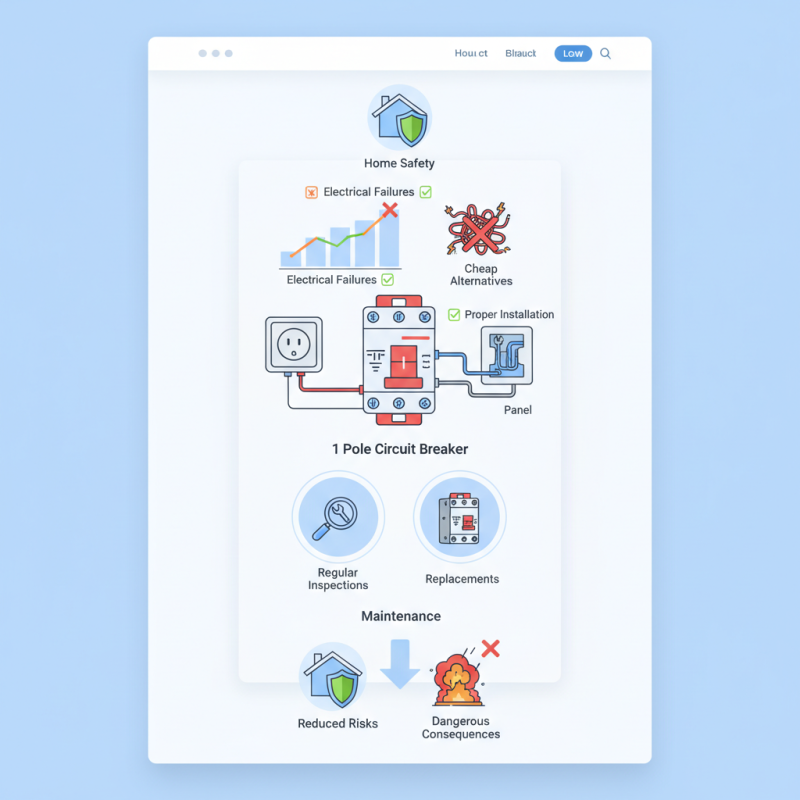
Understanding the Importance of Circuit Breakers in Home Safety
Circuit breakers are crucial for home safety. According to the National Fire Protection Association, electrical failures are a leading cause of house fires. In fact, about 51,000 fires each year are linked to electrical problems. Circuit breakers act as the first line of defense, preventing these potential disasters.
A 1 pole circuit breaker is designed to protect a single circuit. It cuts off the current flow when it detects overload or short circuits. This simple mechanism can save lives and property. Yet, many homeowners overlook their maintenance. Regular testing is vital. Some reports indicate that nearly 30% of homeowners do not check their breakers annually.
Understanding how circuit breakers work is essential. They are not infallible. Over time, breakers can wear out or become less effective. Ignoring signs of aging can lead to dangerous situations. Ensuring that your circuit breakers are functioning properly can make a significant difference. Knowledge and vigilance are key to enhancing home safety.
How a 1 Pole Circuit Breaker Works and Its Key Functions
A 1 pole circuit breaker is an essential component for home electrical safety. It ensures that electrical circuits are protected from overloads and short circuits. When excessive current flows through the circuit, the breaker automatically trips, cutting off power. This quick response can prevent damage to appliances and decrease fire risks. According to the National Fire Protection Association, over 45,000 home fires occur annually due to electrical failures, underscoring the importance of effective circuit breakers.
Tip: Regularly inspect your circuit breakers for physical damage or signs of wear. A breaker that trips frequently may indicate an underlying issue in your system.
Understanding the key functions of a 1 pole circuit breaker helps homeowners make informed decisions. These breakers monitor the current flow through a single, dedicated line. If an overload is detected, the internal mechanism disconnects the electrical supply instantly. This mechanism not only protects wiring but also ensures the longevity of devices. Industry reports suggest that homes equipped with adequate circuit breakers significantly lower electrical hazard risks.
Tip: Label your circuit breakers clearly. In emergencies, quick identification of the affected area can save time and potentially lives. Proper labeling is often overlooked but is critical for effective response management.
Identifying Common Issues with 1 Pole Circuit Breakers
When dealing with 1 pole circuit breakers, common issues can arise. One key problem is tripping without a clear reason. This could indicate a faulty breaker. If it trips often, you may need to replace it. Age can also be a factor. Older breakers may struggle to keep up with electrical demands.
Another issue is overheating. This often happens due to poor connections. Check for any loose wires attached to the breaker. Tighten any loose connections, but ensure the power is off first. If overheating continues, enlist a professional.
To prevent issues, regular checks are essential. Inspect your circuit breaker panel twice a year. Look for any signs of wear or damage. Clear away dust and debris. This simple step helps maintain optimal performance. Remember, safety is paramount. Trust your instincts; if something feels off, don’t hesitate to call for help.
Tips for Choosing the Right 1 Pole Circuit Breaker for Your Needs
Choosing the right 1 pole circuit breaker is crucial for your home’s safety. The correct breaker will protect your electrical system and prevent potential hazards. Consider your home's electrical demand. Think about the appliances you use daily. This will help you determine the amperage needed for your breaker.
Tips: Check the compatibility with your existing electrical panel. Not all breakers fit all panels. Also, look at the installation space. A breaker that’s too large may not fit. For older homes, outdated panels can be a concern too. They may require specific types to function properly.
Another important factor is the breaker’s trip rating. This indicates how quickly it will shut off power during overloads. If you have sensitive electronics, a quick trip can prevent damage. However, a too-sensitive breaker may trip too often. Reflect on your past experiences. Has your circuit broken down when using certain devices? Noticing patterns can guide your choice effectively.
1 Pole Circuit Breaker Safety Ratings
Best Practices for Installing and Maintaining Circuit Breakers
When installing circuit breakers, safety should always be the top priority. According to the National Fire Protection Association (NFPA), electrical failures are a leading cause of home fires. It highlights the importance of using the right circuit breaker for different loads and applications. An improperly installed breaker can lead to overloads and potential hazards. Each breaker has a specific rating, typically marked in amps. It’s crucial to match this with the appliances it will serve.
Regular maintenance of circuit breakers is equally important. Research indicates that around 80% of electrical failures are preventable with routine inspections. Unused breakers may become rusty or sticky, especially in humid environments. Checking the connections is vital. Loose wires can be a fire hazard. Remember to test your circuit breakers monthly. This can reveal potentially dangerous issues that might not be apparent otherwise.
In our pursuit of safety, there are always improvements to be made. Regularly reviewing installation standards can ensure compliance with the latest building codes. Many homeowners overlook this. They might even install DIY projects that don't follow proper guidelines. Reflecting on these practices can enhance both safety and reliability.