Toll Free: 1800 3000 6222
Telephone: +91 141 222 3221
Fax: +91 141 222 1926, 222 2259
CIN: U29130WB1946PLC013643
Founded in 1946, National Engineering Industries Ltd (NEI) is India’s leading bearings manufacturer and exporter, renowned for excellence in quality and delivery.

Choosing among the 10 Best Cylindrical Bearing Suppliers Worldwide requires more than comparing prices or product catalogs. A cylindrical bearing may look simple, yet its performance depends on steel quality, roller geometry, clearance, lubrication, seals, and installation accuracy. In a factory, one small surface defect can become heat, vibration, and unexpected downtime.
Bearing analyst Tedric A. Harris offered a practical principle: “Bearing selection begins with understanding the loads, speeds, and environment.” This idea remains highly relevant. A supplier should demonstrate technical knowledge, not merely promise fast delivery. ISO 281 rating data, dimensional inspection records, heat-treatment controls, and material traceability deserve careful review. So do service response and replacement availability.
This guide evaluates established manufacturers through those practical criteria. It considers cylindrical roller bearings for motors, gearboxes, pumps, machine tools, rail systems, and heavy industrial equipment. The strongest suppliers usually combine precision production with field experience. They also explain limitations clearly.
No ranking is perfect.
Application conditions differ widely. A bearing that performs well beside a clean electric motor may fail near dust, water, shock loads, or misalignment. Some suppliers publish excellent engineering data but provide slower local support. Others offer responsive service with less specialized customization. That trade-off matters.
Readers should verify current certifications, regional inventory, warranty terms, and technical compatibility before purchasing. The final decision should follow measured operating conditions, not brand reputation alone. That is where reliable sourcing begins.
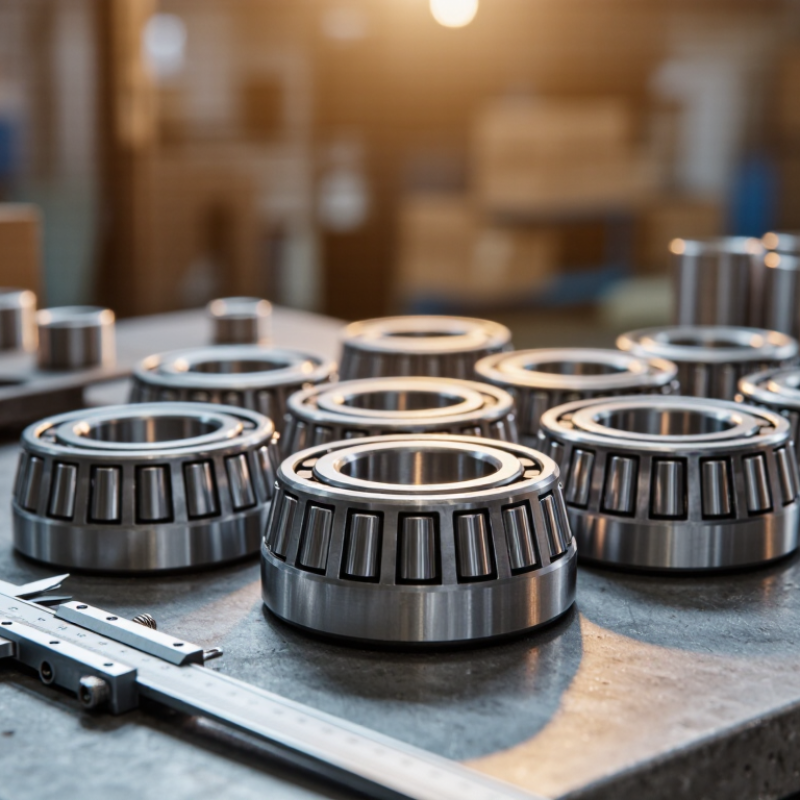
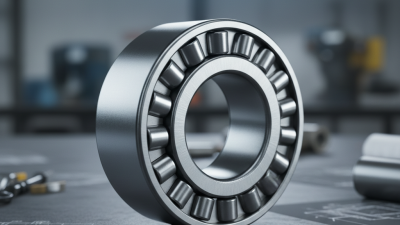
Cylindrical roller bearings use rollers instead of balls to carry heavy radial loads. Their line contact provides higher load capacity and stiffness. They usually tolerate limited axial movement, depending on the internal design. Common types include single-row, double-row, and full-complement versions. Engineers use them in electric motors, gearboxes, pumps, compressors, turbines, and steel-processing equipment.
The U.S. Department of Energy’s Motor Systems Market Assessment reports that motor-driven systems consume more than half of industrial electricity. That figure explains why bearing friction, heat, and service life deserve careful attention. MarketsandMarkets’ 2024 bearing industry analysis also identifies industrial machinery, automotive equipment, and power generation as major demand areas. In practice, a bearing may sit beside a hot gearbox, exposed to dust, vibration, or repeated shock loads. Small installation errors can become expensive failures. I have seen alignment overlooked, even when the selected bearing was technically correct.
Choosing a cylindrical bearing supplier worldwide requires more than comparing catalog prices. Ask how the supplier verifies steel quality, heat treatment, surface finish, and dimensional accuracy. Request inspection records, material certificates, and sample measurements from recent production. Experienced suppliers should explain load ratings, clearance classes, lubrication options, and temperature limits clearly. If answers remain vague, pause the purchase. A polished website proves little.
Evaluate manufacturing capability through a small trial order. Check packaging, labeling, delivery consistency, and whether the bearings match approved drawings. Discuss traceability from raw material to final inspection. Reliable suppliers usually provide batch numbers, quality procedures, and corrective-action reports when problems occur. Independent certifications can support trust, but verify their scope and validity. Do not treat a certificate as a complete technical evaluation. That shortcut can become expensive.
Tips: Compare at least three suppliers using the same specification sheet. Ask for references from similar applications, not general testimonials. Test noise, rotation smoothness, radial play, and temperature rise under realistic loads. Confirm lead times, replacement policies, export documents, and communication hours before signing. Keep a written record of every tolerance and promise. Small wording differences can create major fit problems. Recheck critical dimensions yourself, even when the supplier appears highly competent. No checklist catches everything.
Recommended procurement weighting based on internationally recognized bearing quality, engineering, and supply-chain considerations.
Quality certification and documented load-performance data receive the highest weighting because cylindrical roller bearings are commonly selected according to dimensional accuracy, radial load capacity, fatigue life, material quality, and production consistency. Buyers should verify evidence against relevant ISO bearing standards, inspection records, traceability requirements, delivery performance, and technical support capabilities.
The top ten cylindrical bearing suppliers distinguish themselves through controlled manufacturing, not polished brochures. They combine forged rings, graded alloy steel, and automated grinding lines. Their plants monitor raceway geometry within micrometre-level limits. That precision supports stable load distribution under radial force. It also reduces vibration in gearboxes, pumps, and industrial motors. Some suppliers use heat treatment maps for every batch. This traceability matters when a bearing fails months later. Small detail, large consequence.
Their engineering teams offer more than catalogue dimensions. They calculate load ratings, speed limits, clearance, lubrication, and shaft fits for each application. A reliable supplier can review drawings, suggest cage materials, and provide prototypes before volume production. It should explain trade-offs clearly. Higher speed may require different clearance. Greater load can increase friction or heat. Good technical support includes installation guidance, inspection methods, and failure analysis. Field experience is valuable, although no supplier gets every recommendation right.
Quality capability appears in measurable routines. Top suppliers use coordinate measuring machines, surface-finish checks, noise testing, and endurance rigs. They retain inspection records and investigate recurring defects instead of hiding them. Consistent packaging protects clean bearing surfaces during long transport. Responsive inventory planning also helps customers avoid unplanned downtime. Supplier comparisons should include lead-time accuracy, replacement support, and communication across time zones. A low unit price can become expensive when tolerances drift or technical answers arrive late. Real performance is proven on the machine floor.
Choosing among the 10 best cylindrical bearing suppliers worldwide requires more than comparing prices. Product range matters. Strong suppliers usually offer single-row and double-row cylindrical roller bearings, split designs, sealed options, and custom clearances. These products support electric motors, gearboxes, rail systems, wind turbines, mining equipment, and machine tools.
Fortune Business Insights valued the global bearing market at approximately USD 132.5 billion in 2024. Its forecast also points to strong growth through 2032, driven by automation, renewable energy, and transportation demand. This growth increases the need for suppliers with regional warehouses, reliable export documentation, and consistent production controls. Buyers should check ISO 281 load ratings, ISO 15 dimensions, material traceability, and tested operating temperatures. Certifications alone are not enough.
Tips: Compare the supplier’s full product catalogue, not only popular sizes. Ask about emergency stock in your region. Confirm delivery times with written evidence. A supplier may appear global online, yet lack local technical support. That gap can delay a critical repair. I would also review failure-analysis reports and customer references, even when the purchasing team feels rushed. Some decisions remain imperfect. Availability, engineering response, and long-term consistency often matter more than the lowest quotation.
| Rank | Supplier Profile | Core Cylindrical Bearing Range | Configuration Options | Typical Bore Size Coverage | Key Industry Applications | Technical and Customization Support | Regional Availability | Supply Strength |
|---|---|---|---|---|---|---|---|---|
| 1 | Supplier Profile 01 | Single-row bearings Double-row bearings Full-complement designs | NU, NJ, N, NUP and NN arrangements; open and sealed versions; steel and brass cages | Approximately 10–1,600 mm, depending on series and design | Electric motors, industrial gearboxes, pumps, compressors, machine tools and steel equipment | Application selection, load and speed review, clearance guidance, lubrication advice and failure analysis | North America, Europe, Asia-Pacific, Middle East and selected African markets | High Broad catalog coverage and established distributor networks |
| 2 | Supplier Profile 02 | High-load cylindrical bearings Large-size bearings Split applications | Single-row and multi-row designs; increased-clearance options; reinforced cages for heavy-duty service | Approximately 20–2,000 mm, with large sizes generally made to order | Wind turbines, mining machinery, rolling mills, marine drives and heavy industrial transmissions | Heavy-load calculations, shaft and housing fit recommendations, installation support and condition monitoring | Europe, Asia-Pacific, North America, South America and major mining regions | High Strong project-based supply for heavy industrial equipment |
| 3 | Supplier Profile 03 | Precision cylindrical bearings Machine-tool bearings Low-friction designs | Precision tolerance classes; optimized roller guidance; low-noise and high-speed variants | Approximately 15–500 mm, with precision series concentrated in smaller and medium sizes | Machine tools, robotics, automation systems, textile machinery and precision manufacturing equipment | Speed capability review, vibration evaluation, precision matching and machine-tool application engineering | Europe, Japan, South Korea, China, North America and specialized global distributors | High Strong availability for precision and automation applications |
| 4 | Supplier Profile 04 | Standard metric series Inch-based series Replacement bearings | Common NU, NJ, NUP and N configurations; open, shielded or sealed options where applicable | Approximately 10–1,000 mm across standard and replacement ranges | General machinery, agricultural equipment, conveyors, pumps, fans and industrial maintenance | Interchange guidance, dimensional cross-reference, maintenance recommendations and stock substitution support | North America, Europe, Asia-Pacific, Latin America and online industrial channels | Very High Strong access to commonly used replacement sizes |
| 5 | Supplier Profile 05 | Energy-sector bearings Generator bearings High-speed designs | Electrically insulated variants; special internal clearances; optimized cages and heat-treatment options | Approximately 20–1,200 mm, with engineered sizes available for generators and turbines | Wind power, hydroelectric generation, turbo machinery, industrial motors and power transmission | Electrical erosion prevention, thermal analysis, lubrication selection and predictive-maintenance support | Europe, North America, China, India, Australia and global energy-project locations | High Good project support and specialized energy-sector capability |
| 6 | Supplier Profile 06 | Automotive cylindrical bearings Transmission bearings Wheel-end components | Compact designs; high-speed variants; integrated flanges or special profiles for vehicle systems | Approximately 15–350 mm for common automotive and mobility applications | Vehicle transmissions, electric drive units, axle systems, commercial vehicles and off-highway equipment | Noise and vibration testing, durability validation, lightweighting studies and production-line support | Europe, North America, China, Southeast Asia, India and South America | High Strong original-equipment and replacement-market coverage |
| 7 | Supplier Profile 07 | Corrosion-resistant bearings Sealed bearings Food and washdown designs | Stainless-steel or corrosion-resistant materials; sealed versions; food-grade lubricant options | Approximately 10–300 mm, mainly for compact and medium-duty machinery | Food processing, packaging, pharmaceuticals, chemical handling, beverage plants and outdoor equipment | Material compatibility review, hygienic-design guidance, sealing selection and washdown-duty consultation | Europe, North America, Australia, Japan, China and international hygienic-equipment distributors | Medium to High Specialized availability with more configuration-based lead times |
| 8 | Supplier Profile 08 | Railway bearings Large cylindrical bearings Safety-critical assemblies | High-strength steel; controlled clearances; specialized seals and traceability documentation | Approximately 40–800 mm for axlebox, traction and railway drivetrain applications | Rail vehicles, locomotives, metro systems, freight wagons and railway maintenance equipment | Life calculation, validation testing, traceability documentation and railway compliance support | Europe, China, India, North America, Japan and selected Middle Eastern rail projects | Medium to High Strong technical capability, often supplied through approved channels |
| 9 | Supplier Profile 09 | Industrial aftermarket bearings Maintenance kits Bearing accessories | Standard cylindrical bearings, adapter components, sleeves, nuts, seals and installation tools | Approximately 10–1,000 mm, with special sizes sourced on request | Plant maintenance, material handling, paper production, cement, aggregates and general manufacturing | Bearing identification, replacement selection, mounting advice, lubrication planning and inventory review | North America, Europe, Southeast Asia, Middle East, Africa and Latin America | Very High Focused on rapid replacement and multi-location distribution |
| 10 | Supplier Profile 10 | Engineered-to-order bearings Oversized bearings Special application designs | Custom geometry, special materials, modified roller profiles, non-standard clearances and application-specific cages | Approximately 100–3,000 mm, primarily for engineered and project-specific applications | Offshore systems, ship propulsion, mining, construction machinery, large gearboxes and process industries | Full application engineering, finite-element review, prototype development, testing and field-service support | Europe, North America, China, India, Australia, South America and global project sites | Project-Based High technical capability with longer manufacturing lead times |

Note: Bore-size ranges, configuration availability and delivery times vary by bearing series, material, precision class, sealing arrangement and order quantity. The profiles above summarize widely available cylindrical bearing supplier capabilities without displaying company or brand names.
Selecting among the 10 best cylindrical bearing suppliers requires more than comparing catalog prices. Grand View Research valued the global bearings market at approximately USD 136.7 billion in 2023. That scale creates variation in quality, documentation, and delivery reliability. A suitable supplier should provide verifiable load ratings, dimensional tolerances, material specifications, and production traceability.
Start with the application. Check radial load, speed, shock exposure, temperature, lubrication, and shaft housing accuracy. Ask whether the supplier calculates rating life under ISO 281. Confirm dimensional accuracy against ISO 492. Request sample inspection records, including bore measurements, surface finish, and hardness results. A bearing that fits on paper may still fail beside a contaminated conveyor or an oversized shaft.
Test the supplier’s operational discipline. Review lead-time history, minimum order quantities, packaging methods, and replacement procedures. For critical equipment, request batch certificates and an escalation contact. Grand View Research also reports strong industrial demand, driven by machinery, automotive, and renewable-energy applications. Availability matters. Quality matters more.
Inspect the receiving process yourself. Measure the bore, check rust protection, and photograph damaged packaging. Small details reveal bigger habits. Cost comparisons often ignore downtime, installation labor, and emergency freight. I have found that supplier evaluations can become too spreadsheet-driven. That is a weakness worth admitting. A short pilot order, followed by vibration and temperature monitoring, gives more useful evidence than a polished sales presentation.
Copyright © 2023 NEI Ltd. All rights reserved.
Registered Office : 9/1, R. N. Mukherjee Road, Kolkata – 700 001. In case of any queries or grievances, please contact Mr.Tarun Kumar Kabra, Company Secretary.
E-mail: sale@kinpart.com Privacy Policy Cookie Policy