2026 Top Brass Die Casting Trends for Global Buyers?
In 2026, the global market for Brass Die Casting is set to evolve significantly. As industries innovate, buyers must stay informed about emerging trends. Brass die casting is a crucial process. It offers strength and durability in various applications. However, navigating these trends can be challenging.
Recent advancements enhance quality and efficiency. For instance, automation is transforming production lines. This shift improves precision and reduces costs. Yet, not all manufacturers adapt quickly. Some struggle with outdated methods, risking competitiveness. Buyers must seek reliable suppliers who embrace technology.
Sustainability is another critical factor. Eco-friendly practices in brass die casting are gaining traction. Companies that invest in greener solutions will thrive. However, the transition is not without hurdles. Balancing quality with sustainability requires ongoing effort. Understanding these dynamics will help buyers make informed decisions in the evolving market landscape.
Emerging Technologies in Die Casting for 2026
The die casting industry is rapidly evolving, driven by innovative technologies. In 2026, we can expect significant advancements in materials and processes. One noteworthy trend is the shift towards lightweight materials. These reduce the weight of products while maintaining strength. Manufacturers are exploring aluminum and magnesium alloys for better performance.
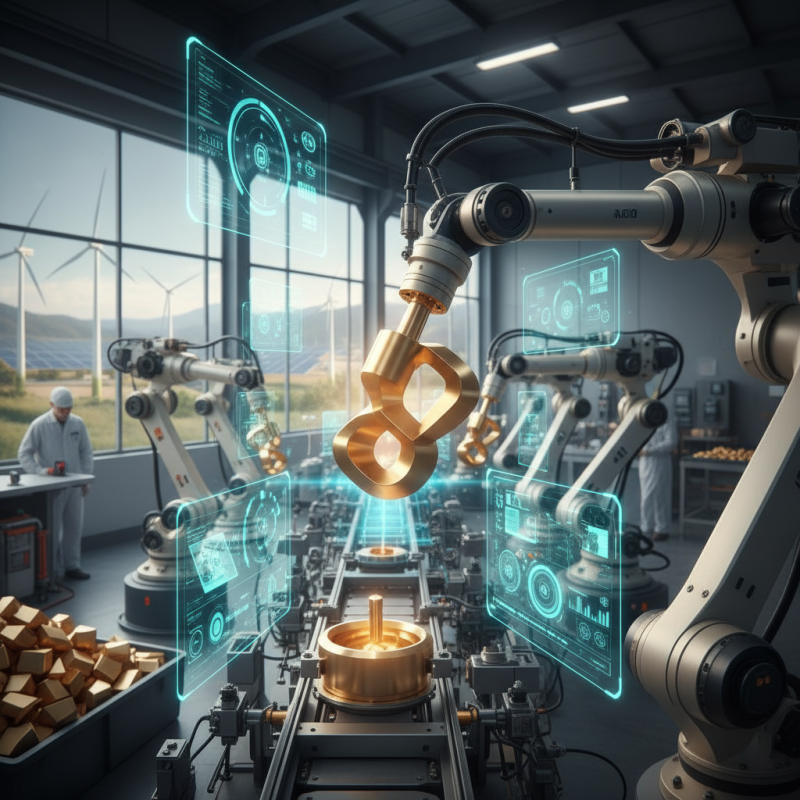
Automation is another critical trend. The integration of AI and robotics can streamline production. This leads to improved efficiency and reduced costs. However, companies must adapt their workforce. Employees may need retraining to operate new technologies effectively. The transition can be challenging, creating a gap in skills.
3D printing, coupled with die casting, shows promise. It allows for more complex designs and reduced waste. Yet, this technology is still maturing. There can be issues with consistency and quality control in early stages. Adopting these technologies requires careful planning and investment. Companies must weigh potential benefits against possible risks.
2026 Top Brass Die Casting Trends for Global Buyers
| Trend | Description | Impact on Industry | Adoption Rate (%) |
| Automation in Die Casting | Increased use of robotics and automated systems for precision casting. | Enhanced productivity and reduced labor costs. | 75% |
| 3D Printing Integration | Utilizing 3D printing for creating molds and prototypes. | Faster design cycles and reduced waste. | 60% |
| Sustainable Practices | Emphasis on recycling materials and reducing emissions. | Increased regulatory compliance and consumer approval. | 80% |
| Smart Manufacturing | Integration of IoT and real-time data analytics in manufacturing processes. | Improved decision making and operational efficiency. | 70% |
| Advanced Alloys | Utilization of new metal alloys to enhance strength and durability. | Broader applications across industries. | 65% |
Sustainability Trends Influencing Die Casting Practices
The die casting industry is undergoing a significant transformation due to sustainability pressures. A recent report indicates that over 50% of manufacturers are adopting green practices. These changes reflect a growing demand for environmentally friendly solutions. Emphasis is on reducing carbon footprints and enhancing energy efficiency.
Energy-efficient die casting methods are gaining traction. For instance, electric furnaces are increasingly replacing traditional gas-fired options. This shift can reduce energy consumption by approximately 30%, according to industry data. Additionally, some companies are exploring biodegradable lubricants to minimize environmental impact. While promising, these changes face challenges. The transition requires investment and careful planning. Not all facilities are equipped to adopt these technologies rapidly.
Recycling aluminum is another vital trend. Reports show that recycled aluminum requires 95% less energy than producing new metal. This practice is becoming common among leading die casters. However, consistent supply and quality of recycled materials can be problematic. Furthermore, there's a learning curve in integrating new processes. Overall, the industry's journey toward sustainability presents both opportunities and hurdles for manufacturers worldwide.
2026 Top Brass Die Casting Trends
Market Demand and Consumer Preferences in Brass Die Casting
The brass die casting industry is witnessing notable shifts in market demand and consumer preferences as we approach 2026. Producers are increasingly focused on sustainability and eco-friendly practices. There is a clear trend towards sourcing materials that minimize environmental impact. Many consumers prioritize products that reflect sustainable manufacturing methods. This places pressure on manufacturers to innovate.
Customization is also gaining traction. Buyers now seek unique designs that stand out in the market. This presents challenges for die casting companies, as they must balance flexibility with production efficiency. Companies need to invest in technology that allows for quick adjustments in designs. This can lead to increased costs and logistical complexities.
Moreover, the aesthetic appeal of brass products cannot be overlooked. Users appreciate textures and finishes that enhance visual value. There is a push for high-quality finishes that resonate with consumers. However, achieving consistency in these finishes can be a concern. Brands must focus on quality control to meet rising expectations. While these trends indicate a positive direction, manufacturers face hurdles in adapting to evolving demands.
Innovations in Material Usage in the Die Casting Industry
The die casting industry is witnessing significant innovations in material usage, shaping trends for 2026. A shift towards lightweight materials is evident. Aluminum alloys are increasingly favored due to their high strength-to-weight ratio. These materials enhance performance in automotive and aerospace applications. The trend aligns with growing environmental awareness and fuel efficiency demands.
Recycling is becoming a critical focus. Many die casting manufacturers are exploring recycled aluminum. Utilizing scrap metal can reduce costs and the environmental footprint. Yet, challenges remain in achieving consistent quality. Some recycled materials may not meet original standards. This inconsistency calls for improved sorting and processing methods.
Additive manufacturing is also playing a role in material innovation. Combining 3D printing with traditional die casting offers unique advantages. It can create complex geometries that reduce material waste. However, this technology is still in its early stages. Questions about scalability and production efficiency linger. The industry must navigate these hurdles to maximize the benefits of new material adoption.
Global Supply Chain Dynamics for Brass Die Casting in 2026
In 2026, the global supply chain for brass die casting is undergoing significant transformation. The ongoing shifts in sourcing strategies are reshaping how buyers engage with suppliers. Increased demand for sustainability is pushing manufacturers to adopt eco-friendly practices. Reports indicate that over 60% of companies prioritize green materials in their procurement processes.
Recent data from industry experts show a growing reliance on digitalization. Technologies like AI and machine learning are enhancing efficiency and reducing lead times. For instance, 70% of companies are investing in smart manufacturing solutions to optimize their operations. However, challenges remain. Supply chain disruptions from geopolitical tensions have highlighted vulnerabilities. This has led to an urgent need for businesses to diversify their supplier base.
Furthermore, fluctuating raw material prices are creating uncertainty in the brass die casting market. A recent survey revealed that nearly 50% of manufacturers face challenges in maintaining cost-effectiveness. The focus on agile supply chains is critical, but many companies struggle with implementation. With these complexities, the need for transparency and collaboration in the supply chain has never been more crucial.