What is an AC EV Charger and How Does it Work?
Electric vehicles (EVs) are transforming the auto industry. As more people adopt these vehicles, they need accessible charging solutions. An AC EV Charger plays a crucial role in this transition. It facilitates the charging of EVs using alternating current. Understanding how it works can help users make informed decisions.
AC EV Chargers vary in speed and efficiency. They are commonly found in homes and public spaces. Unlike DC chargers, they convert electricity at the vehicle. This process can affect charging times and overall vehicle performance. Users often find charging options overwhelming, which warrants clear information.
The importance of a reliable AC EV Charger cannot be overstated. It supports sustainable travel, making electric driving more feasible for everyone. However, not all chargers are created equal. Some may not meet specific vehicle needs. This can lead to charging frustrations. Better awareness of AC EV Chargers can enhance user experience and promote efficient electric vehicle adoption.
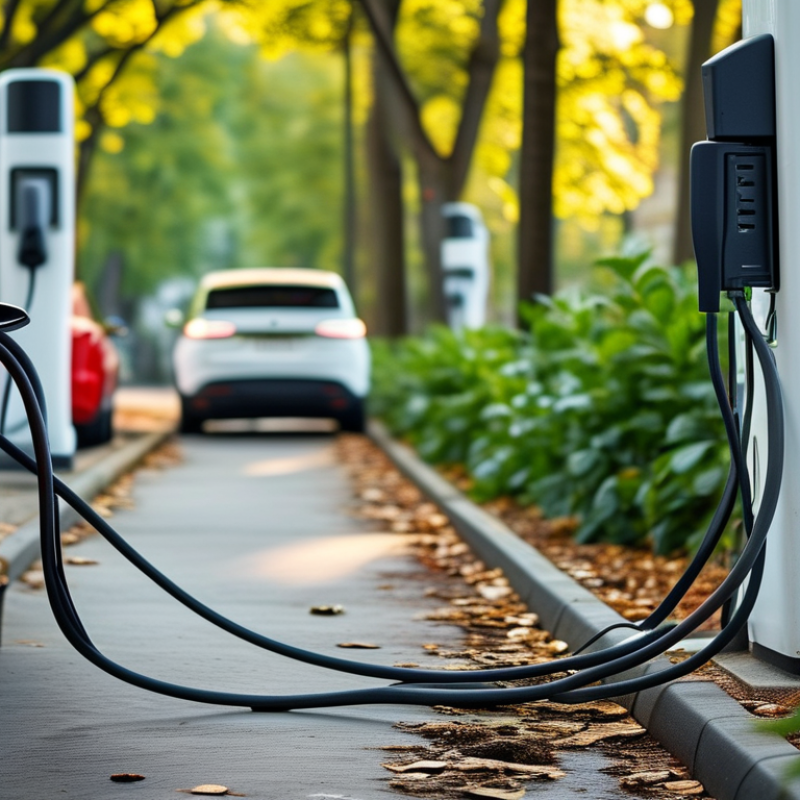
What is an AC EV Charger?
An AC EV charger, or Alternating Current Electric Vehicle charger, is essential for charging electric vehicles (EVs) at home or public locations. Unlike DC fast chargers, AC chargers use standard household power outlets. They convert AC power into DC power, which the vehicle’s battery can store. This method is more common and often more convenient for daily use.
According to a report by the International Energy Agency (IEA), AC chargers represent over 90% of the charging infrastructure globally. They are designed for overnight or slow charging, making them suitable for home use. On average, an AC charger can deliver between 3.7 kW to 22 kW, significantly affecting charging time. A Level 2 AC charger, for example, can charge an EV with a 60 kWh battery in approximately 4 to 8 hours.
Despite their widespread use, AC chargers can have limitations. Not every household has the required electrical capacity to support higher kW chargers. Additionally, some users may find the charging speed insufficient for long trips. Addressing these concerns requires careful planning and consideration of individual energy needs. While AC EV chargers play a crucial role in the transition to electric mobility, ongoing improvements in charging technology are essential for maximizing their effectiveness.
Understanding the Components of an AC EV Charger
An AC EV charger is essential for electric vehicle charging. Understanding its components can help users grasp its functionality. The main parts include the charging station, connectors, and electrical components. The station houses the circuitry that manages power delivery. It converts AC power from the grid into a usable format for the vehicle's battery.
Connectors come in various types, impacting compatibility with different vehicle models. Common standards include Type 1 and Type 2 connectors, depending on the region. According to a report by the International Energy Agency, over 8 million electric cars were on the roads in 2020, highlighting the need for widespread charging infrastructure.
Electrical components, such as circuit breakers and transformers, ensure safe and efficient operation. They protect against overloads and direct the power to the vehicle. Despite advancements, some users report challenges with installation and accessibility. As charging infrastructure expands, continuous evaluation and enhancement of AC EV chargers are necessary to meet growing demands.
AC EV Charger Power Output Comparison
This bar chart illustrates the power output of different types of AC EV chargers, showcasing their efficiency levels. The data represents hypothetical metrics to give a comparative insight into how various power outputs operate in charging electric vehicles.
How AC EV Chargers Convert Electricity for EVs
AC EV chargers play a crucial role in charging electric vehicles (EVs) by converting alternating current electricity from the power grid into a form usable by the vehicle's battery. The efficiency of this conversion is vital. According to a report by the International Energy Agency, the global EV market is projected to grow significantly, with AC chargers accounting for the majority of installations due to their lower costs and simplicity.
These chargers typically feature a power rating ranging from 3.7 kW to 22 kW, making them ideal for home and workplace settings. Their widespread adoption reflects a growing demand for sustainable transportation solutions. However, this efficiency can vary based on charger design and vehicle compatibility, leading to potential charging delays or inefficiencies. During peak times, electricity prices may rise, prompting users to rethink their charging strategies.
Inadequate awareness of these variables can complicate the charging experience. Some EV users may not realize that factors like ambient temperature and battery health impact charging rates. Studies indicate that optimizing charging schedules not only saves money but also enhances battery longevity. Greater public education on these details can empower consumers, ensuring they maximize the benefits of their AC charging infrastructure while minimizing frustrations.
What is an AC EV Charger and How Does it Work?
| Parameter | Description | Typical Value |
| Voltage | The electrical potential difference provided to the charger | 120V / 240V |
| Current | The amount of electricity flowing from the charger to the vehicle | 16A / 32A |
| Power Rating | The total output power of the charger | 3.7 kW / 7.4 kW / 22 kW |
| Charging Time | Time taken to charge a vehicle from empty to full | 4-8 hours |
| Connector Type | Type of plug used for connecting to the EV | Type 1 / Type 2 |
| Efficiency | The ratio of useful energy output to energy input | 90% - 95% |
Installation Requirements for AC EV Chargers
Installing an AC EV charger requires careful consideration. Start by assessing your electrical capacity. Ensure your home can handle the additional load without overloading circuits. Check your breaker panel. If necessary, consider upgrading it before installation.
Choosing the right location for the charger is crucial. Ideally, it should be close to your parking spot. This minimizes cable length and reduces installation complexity. Ensure the area is well-lit and easily accessible. You might need permission from local authorities or homeowner associations, depending on your area.
Tips: Regular maintenance is key. Periodically inspect your charger for wear and tear. Keep the area around the charger clean and clutter-free. Always consult with a licensed electrician. They can provide insights on local codes and safety regulations. Doing it yourself might save money, but safety should always come first.
Benefits of Using an AC EV Charger for Electric Vehicles
AC EV chargers are vital for electric vehicle owners. They convert alternating current into usable energy for charging. This process is efficient and straightforward. Using them at home or work provides convenience and flexibility. They can fully charge most EVs in a few hours, making them practical for daily use.
The benefits of AC EV chargers are numerous. They are generally more affordable than DC chargers. Additionally, they can be installed in various locations, allowing for home installations. This accessibility encourages more people to adopt electric vehicles. Moreover, charging at home can save money, as electricity rates are usually lower during off-peak hours.
However, not all EV owners may find them suitable. It can take longer to recharge compared to DC chargers. This delay may not fit well into busy schedules. Understanding these factors is crucial when choosing a charger. Balancing convenience with charging time is essential for an optimal EV experience.