Top 10 Benefits of Automated Storage Systems for Your Business?
In today's fast-paced business landscape, efficiency is critical. Implementing an Automated Storage System can significantly enhance a company's operational performance. According to a report by the Warehousing Education and Research Council, businesses that adopt these systems can improve storage utilization by up to 85%. This optimization leads to reduced operational costs and faster order fulfillment.
Automated Storage Systems streamline inventory management, minimizing human error. They also enable businesses to reclaim valuable floor space. Studies indicate that organizations can achieve a return on investment within 12 months of deployment. However, challenges such as initial setup costs and training for staff must be carefully considered.
The evolving nature of business demands flexibility and responsiveness. An Automated Storage System can provide these advantages, but it’s essential to assess an organization's unique needs before implementation. Balancing automation with personal insights and process adjustments is key to maximizing effectiveness.
Understanding Automated Storage Systems and Their Functionality
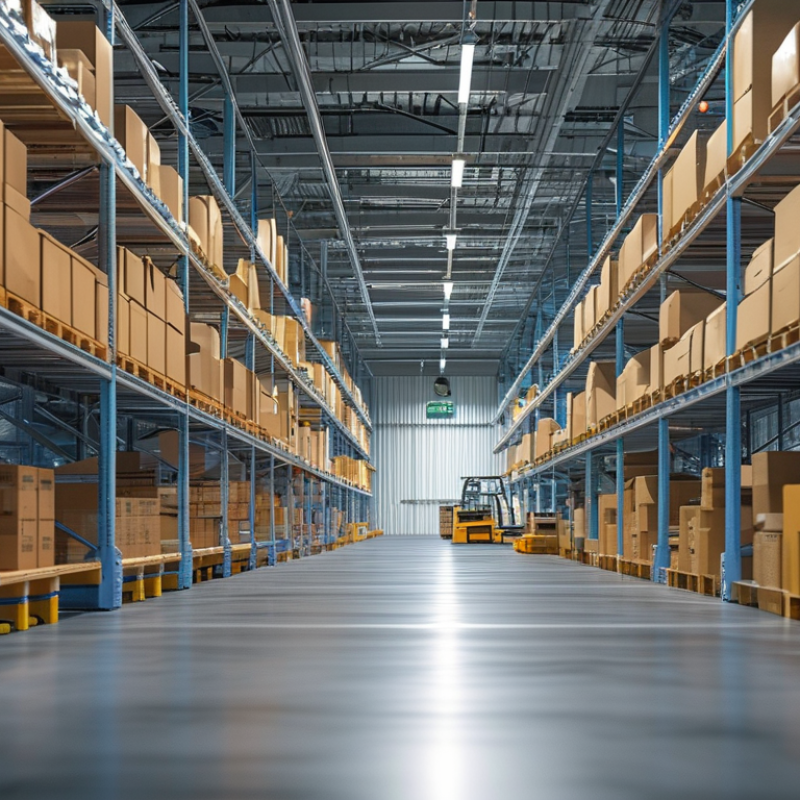
Automated storage systems streamline inventory management by utilizing advanced technology. These systems optimize space and reduce labor costs. Efficiency is a primary benefit, allowing businesses to store more in less space. A well-designed system can cut retrieval times significantly.
Tips: An effective layout is crucial. Assess your space before implementing these systems. Regular maintenance checks are vital to ensure peak performance.
Automated storage systems use various methods to track items. RFID technology often enhances inventory accuracy. Businesses should consider integrating software solutions that monitor stock levels in real-time.
Tips: Train staff properly. They need to understand the system's functions. Encourage feedback to address any operational challenges.
Enhancing Space Efficiency with Automated Storage Solutions
Automated storage systems can significantly enhance space efficiency in your business. These systems optimize your available space by maximizing vertical storage. Traditional shelving often leaves gaps and unused areas. Automated solutions address this problem by utilizing height, saving you valuable floor space. This is particularly beneficial for warehouses and distribution centers where efficient space use is critical.
Implementing these systems can lead to improved inventory management. With automated solutions, retrieval times decrease. Workers can locate items quickly and accurately. This not only boosts productivity but also reduces the risk of errors. However, the initial investment can be daunting for some businesses. It's crucial to assess your specific needs and long-term goals carefully. Not every automated system will fit every situation, and some may require adjustments and training.
Improving Inventory Management through Automation
Automated storage systems offer a transformative approach to inventory management. By utilizing automation, businesses can effectively enhance accuracy and efficiency in tracking stock. According to a recent report by MarketWatch, automated inventory systems can boost inventory accuracy by up to 99%. This high level of precision minimizes errors and streamlines operations, saving both time and money.
Moreover, these systems facilitate real-time inventory tracking. This instant accessibility allows for informed decisions about stock levels and reorders. A study from the Warehousing Education and Research Council highlights that automated systems can reduce inventory holding costs by around 30%. However, implementing these technologies requires upfront investment and ongoing maintenance. Businesses must weigh the benefits against costs.
Accessibility is another essential factor. Automated systems can operate 24/7, ensuring that stock is always available. Yet, companies should be mindful of potential downtimes due to technical issues. Striking the right balance between human oversight and automation is crucial for sustainable success. Embracing automation means acknowledging both its advantages and the challenges that come with it.
Boosting Operational Productivity with Automated Systems
Automated storage systems revolutionize how businesses manage inventory. By utilizing technology to handle storage and retrieval, companies can boost operational productivity significantly. These systems minimize manual labor, reducing errors in stock handling. Workers can focus on higher-value tasks instead of tedious inventory checks.
Consider a warehouse that shifts from manual processes to automation. The time saved in organizing and retrieving items can be immense. Squashing inefficiencies leads to quicker order fulfillment and happier customers. However, not every transition is smooth. Staff may initially resist automation, fearing job loss or job changes. Training and clear communication are vital in addressing these concerns.
Another factor to consider is maintenance. Automated systems require regular check-ups for optimal performance. Businesses need to develop a comprehensive maintenance plan. A breakdown could cost more than just money; it can impact productivity. So, while the benefits are substantial, mindful implementation plays a crucial role. Making incremental changes might lead to more satisfactory outcomes.
Top 10 Benefits of Automated Storage Systems for Your Business
This bar chart illustrates the various benefits of automated storage systems within a business context, showcasing the impact level of each benefit from 1 to 10. These benefits, ranging from increased efficiency to improved safety, highlight how automated systems can significantly enhance operational productivity.
Reducing Labor Costs and Human Error in Warehousing Operations
Automated storage systems can significantly reduce labor costs in warehousing. By minimizing the need for manual handling, businesses can streamline operations. Workers spend less time searching for items and more time focusing on essential tasks. This shift not only improves efficiency but also lowers overall labor expenses.
Human error is another area where automated systems excel. In traditional warehousing, mistakes in inventory management are common. Automated systems reduce these errors through precision. They use advanced technology to track items accurately. As a result, the risk of misplacing products decreases. Employees can rely on these systems for consistent and reliable operations.
However, implementing automation isn't without challenges. Initial setup costs can be high. Employees may require training to adapt. Transitioning from traditional methods to automated systems can result in temporary disruptions. Reflecting on these hurdles is essential for successful integration. Despite these obstacles, the long-term benefits often outweigh the initial friction.