Top 10 Benefits of Prototype Molding for Global Buyers?
In the fast-paced world of manufacturing, Prototype Molding stands out. It allows for rapid development and testing of product designs. According to a report by the American Society for Quality, businesses leveraging prototype molds can reduce production costs by up to 30%. This cost efficiency attracts global buyers looking for quality and speed.
Prototype Molding enables companies to innovate without significant risks. With its ability to produce high-fidelity samples, firms can gather crucial feedback early on. Data from McKinsey reveals that effective prototyping can reduce design cycle times by 50%. This efficiency empowers teams to refine their products, though it can sometimes lead to overlooking minor flaws in the initial stages.
As industries evolve, the need for customized solutions gains importance. Prototype Molding caters to diverse requirements, from automotive to consumer goods. However, not all buyers fully understand the technology's nuances. This lack of knowledge can result in suboptimal decisions. Embracing the full potential of Prototype Molding may require education and experience, but the benefits far outweigh the challenges.
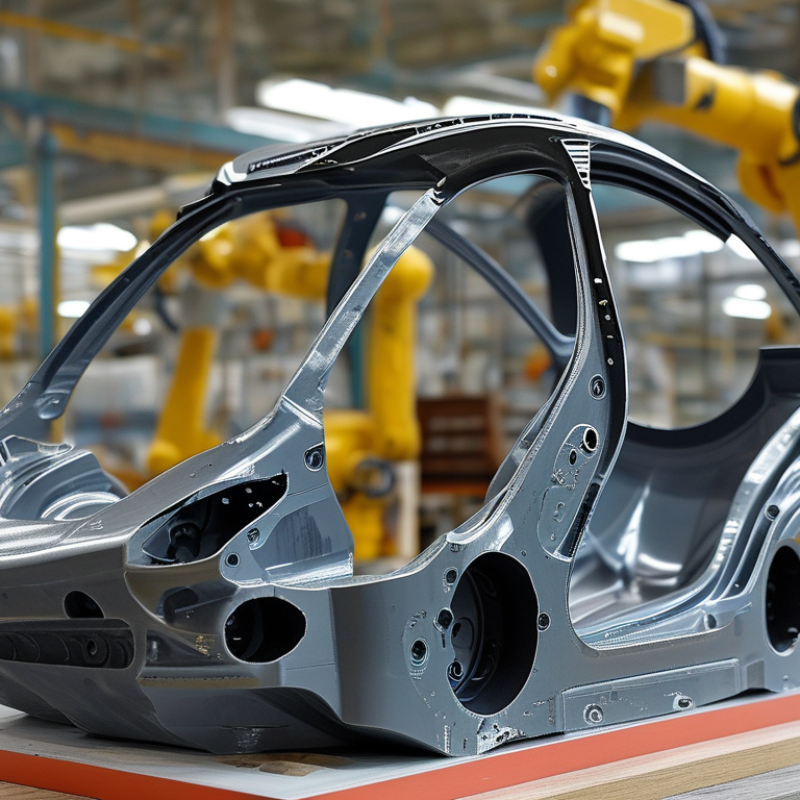
Understanding Prototype Molding: An Overview for Global Buyers
Prototype molding serves as a crucial stepping stone for global buyers looking to streamline their product development processes. It allows companies to create functional prototypes that accurately reflect the final product design. According to recent industry reports, about 60% of product failures stem from design flaws. This highlights the importance of prototyping in identifying issues early in the development phase.
Through prototype molding, businesses can make informed design decisions. Rapid iterations are possible, letting teams test and refine concepts quickly. Companies that utilize prototype molding report a 30% reduction in development time. However, it’s vital to evaluate the choice of materials and processes used. Different molding techniques can yield varied results, and not every method suits every project. Understanding the nuances is essential for achieving optimal results.
Moreover, while prototype molding offers many benefits, it is not without challenges. The initial investment can be significant, particularly for startups. Additionally, the accuracy of prototypes can vary based on several factors, including the skill of the mold maker and the technology used. Global buyers must weigh these considerations carefully before proceeding. Balancing speed with quality ensures that the development journey is both efficient and effective.
Cost-Effective Solutions: How Prototype Molding Reduces Production Expenses
Prototype molding offers significant cost-effective solutions for global buyers. By utilizing rapid prototyping techniques, manufacturers can reduce production expenses considerably. This approach allows for quick design alterations before full-scale production. Consequently, fewer errors lead to lower costs, which benefits companies aiming for efficiency.
Investing in prototype molding can yield positive financial outcomes. It helps to identify design flaws early, sparing companies from costly revisions later. Moreover, creating prototypes requires less material than traditional manufacturing. This reduces waste, further cutting costs. The ability to test products in real-world conditions minimizes unforeseen expenses during production.
However, businesses sometimes overlook the importance of thorough testing. Rushing through prototyping might result in overlooking crucial details. This can lead to higher costs in the long run. Careful attention to the prototyping process ensures reliability in the final product. Taking these steps can elevate a product's success and avoid potential pitfalls.
Cost-Effective Solutions: How Prototype Molding Reduces Production Expenses
This chart illustrates the percentage of cost reduction across various factors attributed to prototype molding. The significant reductions in material and labor costs, along with decreased production time and tooling costs, highlight how this method can provide substantial savings for global buyers.
Accelerating Product Development through Rapid Prototyping Techniques
Rapid prototyping techniques have transformed product development. By using prototype molding, companies can quickly turn ideas into tangible models. This speed allows for immediate testing and feedback. Consequently, teams can identify flaws early in the design process. Quick iterations save time and reduce costs significantly.
The key to effective prototyping is its flexibility. Designers can experiment with different materials and designs without committing to full-scale production. However, reliance on rapid prototyping may lead to overlooking long-term effects. Some prototypes might not represent how products will perform in the market. Therefore, while speed is crucial, thorough evaluation remains essential.
Developers often rush through phases to meet tight deadlines. This hustle can compromise the quality and functionality of prototypes. Each prototype should be seen as a learning opportunity. Reflection on each iteration informs better choices in the next cycle. A balanced approach ensures that the benefits of speed do not overshadow reliability and effectiveness.
Top 10 Benefits of Prototype Molding for Global Buyers
| Benefit | Description | Impact on Product Development |
| Cost Efficiency | Prototype molding reduces cost by allowing modifications before mass production. | Lower overall production expenses. |
| Faster Time to Market | Rapid prototyping enables quicker iterations and faster launch of products. | Increased competitive advantage. |
| Improved Design Validation | Prototypes allow for physical testing of design concepts. | Reduction of design-related errors. |
| Enhanced Communication | Physical prototypes facilitate better stakeholder discussions and feedback. | Streamlined decision-making process. |
| Flexibility in Design Changes | Easy to modify prototypes based on testing and feedback. | Increased adaptability to market needs. |
| Quality Assurance | Allows for comprehensive testing to ensure product quality before mass production. | Reduction of defects and recalls post-launch. |
| Risk Mitigation | Identifies potential issues early in the development cycle, minimizing risks. | Safer investment and resource allocation. |
| Market Testing | Prototypes can be tested with focus groups to gauge market reception. | Informed go/no-go decisions. |
| Sustainability Insights | Allows for assessment of materials and processes for eco-friendliness. | Aligns product development with sustainability goals. |
| Customer Engagement | Helps involve customers in the development process for better alignment with their needs. | Higher customer satisfaction and loyalty. |
Enhancing Design Accuracy with Prototype Molding Applications
Prototype molding significantly enhances the design accuracy of products. This process allows designers to create physical models that closely mirror the final product. By using real materials, stakeholders can better understand how the product will function. It bridges the gap between concept and reality. Adjustments can be made swiftly during this phase, reducing costly changes later.
When applying prototype molding, pay careful attention to detail. Each facet of the design can impact functionality. Communicating effectively with your team about these details is crucial. Design flaws that may seem small can lead to larger issues. Revisit your prototypes regularly to identify any potential problem areas.
One tip is to incorporate user feedback early. Testing prototypes with end-users provides valuable insights. Their input can refine the design and increase usability. Additionally, documenting the prototype evolution aids in tracking improvements. Reflect on what works and what needs adjustment. This iterative process fosters innovation and enhances overall product quality.
The Global Market Impact of Prototype Molding on Supply Chains
Prototype molding has a significant impact on global supply chains. According to recent industry reports, 75% of manufacturers believe rapid prototyping accelerates product development. This method enables quick iterations, reducing time to market. It helps in identifying design flaws early, minimizing costly changes later in production.
Moreover, prototype molding can enhance communication among stakeholders. When teams use tangible models, discussions become more effective. Visuals bridge gaps in understanding and lead to better collaboration. Data from supply chain studies suggests that enhanced collaboration can reduce lead times by as much as 30%. However, the reliance on prototypes can also lead to overconfidence in initial designs, which may result in overlooked issues.
Utilizing prototype molding also allows for volume testing before large-scale production. This ensures that market demand aligns with supply capabilities. Reports indicate that companies that implement prototypes see a 50% reduction in unsold inventory. Still, the approach requires a balanced view. Excessive reliance on prototypes might lead to stagnation, where teams delay full-scale production due to constant iterations. Reflecting on these aspects can guide buyers in making informed decisions.