

nbc logo (2)
Office address
National Engineering Industries Ltd.
Khatipura Road Jaipur – 302006 Rajasthan, India
Phone Number

Toll Free: 1800 3000 6222
Telephone: +91 141 222 3221
Fax: +91 141 222 1926, 222 2259
CIN: U29130WB1946PLC013643

7 Best Boiler Pumps for Reliable Heating Systems

A reliable heating system rarely draws attention. Until a cold room, noisy pipes, or uneven radiator temperatures point to a circulation problem. At the center of many hydronic systems is the Boiler Pump, moving heated water through pipes, emitters, and back to the boiler. Its size, control method, and compatibility can affect comfort and electricity use. Small component, real consequences.

The International Energy Agency’s Global Status Report for Buildings and Construction 2024 estimates that buildings account for about 32% of global energy use and 34% of energy-related carbon dioxide emissions. Those figures cover much more than boilers, but they show why system efficiency matters. A well-matched pump can support steady circulation without pushing more water than the system needs. Yet a premium label alone proves little. Pipe layout, boiler requirements, operating noise, and service access all matter.

This guide compares seven boiler pumps for different heating needs, from straightforward replacements to efficient, electronically controlled models. It considers practical details: connection size, available head, control features, and installation fit. Product specifications should always be checked against the manufacturer’s current documentation and the heating system’s requirements. Even a strong pump can disappoint when mismatched. That part is easy to overlook.
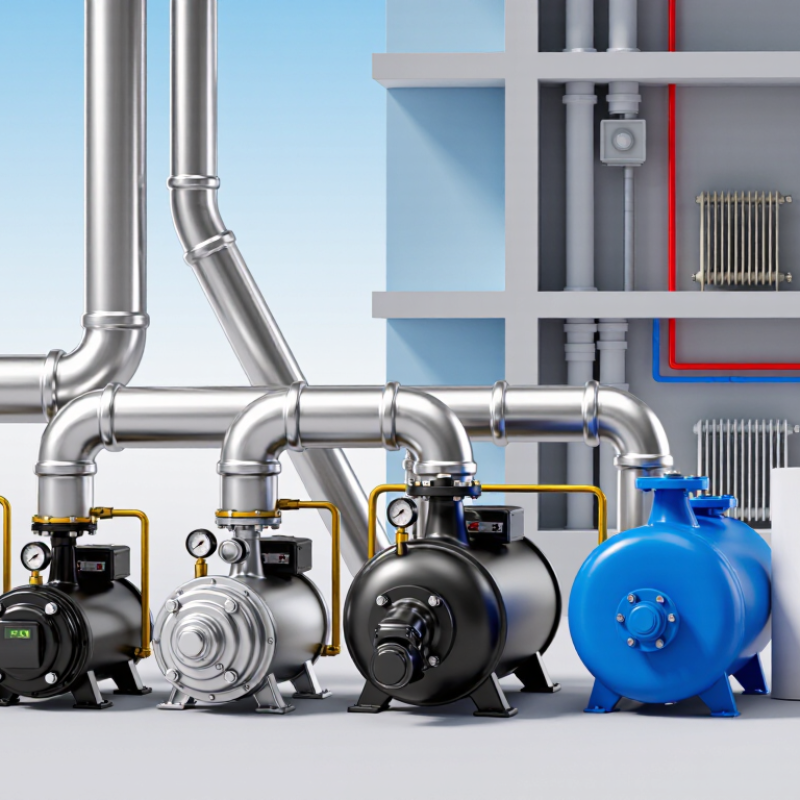
7 Best Boiler Pumps for Reliable Heating Systems

How Boiler Pumps Keep Heating Systems Circulating

A boiler pump moves heated water through the heating circuit, carrying warmth from the boiler to radiators or underfloor pipes. That movement matters. Without steady circulation, some rooms may heat slowly while others remain comfortable. The pump also helps return cooler water to the boiler, supporting consistent operation. It does not produce heat; it moves water, and the system’s controls regulate when circulation is needed.

Flow depends on more than the pump alone. Pipe layout, air in the system, closed valves, and pump settings can all affect circulation. A radiator that stays cold at one end may suggest trapped air, but it does not prove the pump is failing. The exact cause is not always obvious from one symptom, and that is easy to overlook. Persistent noise, leaks, or uneven heating deserve attention from a qualified heating professional.

Tips: Check that accessible valves are open, and note which rooms heat unevenly. Keep the area around the boiler clear. Do not adjust internal components or assume a louder pump needs replacement. A brief record of noises, temperature changes, and when they occur can help a technician assess the system.

Key Factors for Choosing a Reliable Boiler Pump

A reliable boiler pump should match the system’s required flow and head, not simply offer the highest output. Check the boiler’s specifications, pipe diameter, and resistance from valves and radiators. A pump that is too small may leave distant rooms cool. An oversized one can cause rushing sounds and unnecessary electricity use. Quiet matters.

Efficiency figures help, but compare like with like. The U.S. Department of Energy’s Improving Pumping System Performance sourcebook reports that pumping systems use nearly 20% of global electricity demand; that broad figure covers many industries, not household boilers alone. For covered glandless circulators, European Commission Regulation (EC) No 641/2009 sets an energy efficiency index ceiling of 0.23. Check the pump’s stated rating and whether the rule applies to that model.

Also consider control method, operating range, service access, and compatibility with the heating fluid and temperature. Variable-speed control can adjust output as zone valves open or close. Look for clear installation and maintenance instructions. A useful pump should be straightforward to inspect. Even then, the best specification cannot correct trapped air, poor balancing, or a blocked strainer. Those details are easy to overlook.

Seven Boiler Pumps Compared by Design and Performance

Seven boiler-pump designs differ less by appearance than by how they move water through a real heating circuit. Wet-rotor circulators run quietly and suit compact homes, while dry-rotor units can handle larger flows but need more space and maintenance. Fixed-speed models are simple; variable-speed pumps adjust output as zone valves open and close. Inline, high-head, compact, and corrosion-resistant designs fill other system needs. The right choice depends on flow, head pressure, pipe layout, and boiler requirements—not the highest advertised rating.

The U.S. Department of Energy’s Improving Pumping System Performance sourcebook reports that pumping systems use nearly 20% of global electricity, and can account for 25–50% of energy use in some industrial facilities. Those figures cover many applications, not household boilers, but they show why pump sizing matters. A pump that is too powerful may create valve noise and waste electricity; one that is undersized can leave distant radiators lukewarm. Small details matter. Check the pump curve against the system’s required flow and head.

For variable-speed choices, compare control modes, minimum output, and how smoothly the pump responds to changing demand. The European Commission’s Ecodesign rules set an energy-efficiency index limit of 0.23 for many glandless standalone circulators. That benchmark helps with efficiency screening, but it does not prove a pump suits a particular boiler. I would still verify connection size, fluid temperature limits, and installation orientation against the manufacturer’s technical data; these checks are easy to overlook.

How to Match Pump Capacity to Your Heating System

A reliable boiler pump is selected by required flow and head, not by pipe diameter alone. Start with the heating load and the intended supply-to-return temperature difference. ASHRAE Handbook—Fundamentals gives the common water-flow relationship:

Btu/h = 500 × gallons per minute × temperature difference in °F.

For a 60,000 Btu/h load and a 20°F difference, the design flow is about 6 gallons per minute. That is the target. A smaller temperature difference requires more flow for the same heat output.

Next, estimate the resistance of the complete circuit: pipe length, fittings, valves, boiler, and heat emitters. Use that total pressure loss to find the required pump head, then check the pump curve at the design flow.

The U.S. Department of Energy’s Improving Pumping System Performance sourcebook also stresses matching pump operation to system demand. In a sealed hydronic loop, building height alone usually does not determine running head; friction losses do.

A common mistake is choosing extra capacity “just in case.” It can increase noise and waste electricity. I’d still verify the figures against the installed circuit—old valves and unexpected pipe routes can change the result.

Installation and Maintenance for Long-Term Reliability

7 Best Boiler Pumps for Reliable Heating Systems

A reliable boiler pump begins with correct sizing, not simply choosing the largest unit. Check the system’s required flow, pipe resistance, and boiler instructions before installation. An oversized pump can create noise, waste electricity, and upset radiator balance. Small details matter. Fit isolation valves where accessible, and keep the pump shaft in the orientation specified by its manufacturer. After filling, vent trapped air and inspect every joint for drips while the system heats.

Maintenance protects performance over time. Listen for new humming, rattling, or uneven heating; these can signal air, debris, or worn bearings. Clean strainers according to the system schedule, and record pressure and temperature readings so changes are easier to spot. The U.S. Department of Energy’s Improving Pumping System Performance sourcebook reports that optimized pumping systems can often save 20–50% or more energy. That figure applies broadly, not specifically to boiler pumps, so treat it as context rather than a guaranteed saving.

Efficiency standards also offer a useful reference. European Commission Regulation (EC) No 641/2009 set an energy-efficiency index limit of 0.23 for covered standalone glandless circulators from 2015. When replacing a pump, compare its rating and operating curve with the actual heating circuit. A commissioning note is easy to skip, but it helps the next technician identify what changed. Even careful installations can need adjustment after the first cold week.

7 Best Boiler Pumps for Reliable Heating Systems - Installation and Maintenance for Long-Term Reliability

Generic pump types compared by typical application, selection range, and maintenance considerations.
Pump Type Best-Fit Application Typical Selection Range* Motor and Control Common Connections Installation and Long-Term Reliability
Standard wet-rotor circulator Small residential closed-loop heating systems with relatively stable flow requirements. Approximately 1–20 gpm; about 5–25 ft of head. Usually a single-speed or multi-speed motor; the system water lubricates and cools the rotor assembly. Typically threaded or flanged, commonly in ¾–1½ in. connection sizes. Install in the orientation specified by the manufacturer and keep the motor shaft correctly aligned. Flush debris before startup and check for air, leaks, and unusual noise.
ECM variable-speed circulator Residential systems with changing heat demand, multiple zones, or control strategies that benefit from reduced pump speed. Commonly around 1–25 gpm; roughly 5–30 ft of head, depending on the pump curve. Electronically commutated motor with adjustable speed or proportional output. Threaded or flanged connections; size varies with system design. Set the control mode to suit the system and verify the required minimum flow. Protect electrical components from moisture and follow the wiring and grounding instructions.
Differential-pressure ECM circulator Zoned or thermostatic-radiator systems where valves open and close and system resistance changes. Often selected within approximately 1–25 gpm and 5–30 ft of head; confirm the operating curve for the system. ECM motor with constant-pressure or proportional-pressure control modes. Commonly threaded or flanged, with connection size chosen for the circuit. Choose a pressure mode compatible with the valves and emitters. Check that valve settings, bypass arrangements, and pump control do not create excess flow noise.
High-head circulator Longer or more restrictive hydronic circuits, including systems with higher resistance from piping, coils, or heat exchangers. Typical options may cover approximately 2–30 gpm and 15–40 ft of head. Available with fixed-speed or electronically controlled motors; selection depends on the required duty point. Threaded or flanged connections, depending on capacity. Calculate system head rather than selecting by pipe size alone. Confirm the pump’s operating point, avoid dead-heading, and check for cavitation or excessive velocity.
Flanged inline centrifugal pump Medium-sized commercial boiler loops and larger building heating circuits. Broadly, about 10–100 gpm and 10–50 ft of head; actual capacity depends on impeller and pump curve. Typically motor-driven centrifugal design; variable-frequency control may be used where the motor and system are designed for it. Usually flanged pipe connections; nominal sizes vary by capacity. Provide adequate pipe support and alignment so piping loads do not strain the pump. Follow the specified bearing or seal service schedule and check alignment and vibration.
End-suction centrifugal pump Higher-capacity commercial or institutional heating systems with a defined pump room and service access. Can range from tens to hundreds of gpm, with head selected to suit the system and pump curve. Typically a separate motor driving a centrifugal pump; motor and control options depend on the installation. Commonly flanged suction and discharge connections. Install on a suitable base, align the coupling, and provide room for inspection and seal service. Monitor vibration, bearing temperature, leaks, and operating conditions.
Glycol-compatible circulator Closed heating circuits using an approved water-glycol mixture for freeze protection or process requirements. Capacity is system- and fluid-dependent; glycol concentration and temperature can change viscosity and increase pumping requirements. Wet-rotor or other circulator designs are available; confirm fluid compatibility for the complete pump assembly. Threaded or flanged, according to the chosen pump and system size. Verify the pump’s approved fluid range and temperature limits. Use the specified glycol concentration, check fluid condition periodically, and account for added hydraulic resistance during sizing.

Selection note: Flow and head figures are general guide ranges, not guaranteed ratings for a particular pump. Final selection should match the calculated system duty point, fluid, temperature, electrical supply, and boiler requirements. Installation and servicing should follow applicable codes and the pump and boiler manufacturers’ instructions.