What Is a Cat Patio Catio and How Does It Work?
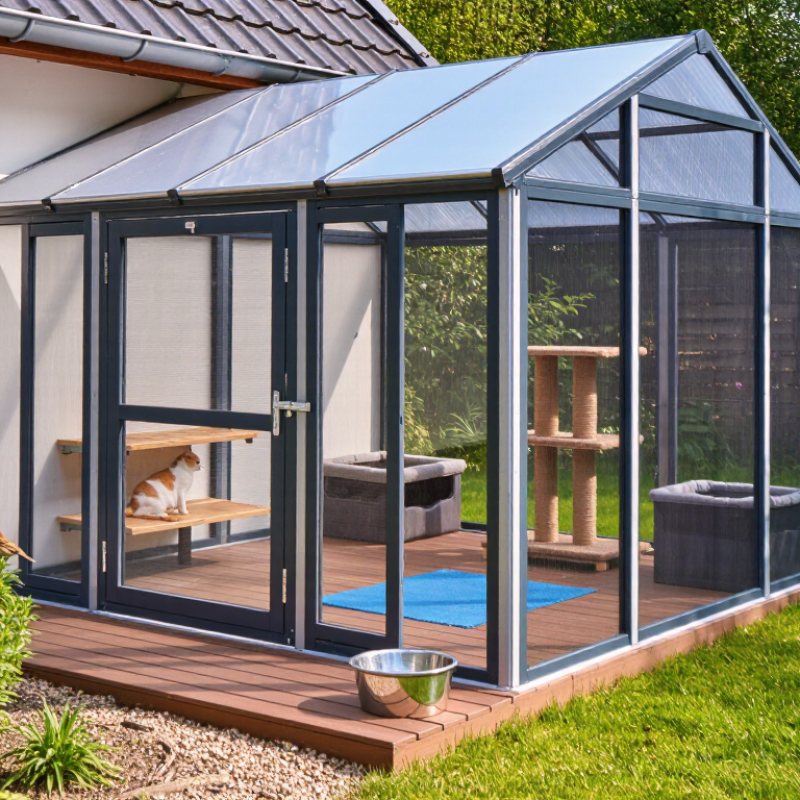
A Cat Patio Catio is an enclosed outdoor space that lets a cat experience fresh air without roaming freely. It may connect to a window, sit on a balcony, or occupy a small garden corner. Mesh walls, a secure roof, climbing shelves, and a shaded resting box create its basic structure. Through these features, a cat can watch birds, smell plants, and feel sunlight while remaining physically contained.
Interest in safer outdoor enrichment is understandable. The American Pet Products Association’s 2023–2024 National Pet Owners Survey reported that 46.5 million U.S. households owned at least one cat. That large population makes practical welfare choices increasingly important. The AAFP and ISFM Feline Environmental Needs Guidelines also emphasize safe resting areas, vertical space, hiding places, and opportunities for play. A well-planned catio can support these needs, but it cannot replace veterinary care, vaccination, parasite prevention, or daily interaction.
It is not a magic fix.
A useful catio should match the cat’s age, mobility, temperament, and escape skills. Small openings deserve careful inspection. Doors need reliable latches. Materials should resist weather, chewing, and claw pressure. A water bowl, washable surface, and shaded platform make the space more usable in real conditions. I have found that cats often choose quiet corners first, not the most expensive equipment.
That observation matters. A beautiful structure may still fail if it overheats, feels exposed, or lacks retreat space. This guide explains what a Cat Patio Catio is, how it works, and which design details support safer, more enriching outdoor access.
Definition and Purpose of a Cat Patio Catio
A cat patio, often called a catio, is an enclosed outdoor space designed for cats. It connects to a home through a window, door, or small passage. The structure usually includes secure mesh walls, a roof, climbing shelves, and resting platforms. Its purpose is simple: offer fresh air and sunlight without exposing a cat to traffic, predators, toxic plants, or unexpected fights.
A well-designed catio balances freedom with control.
Cats can watch birds, feel the breeze, and explore different heights. Owners can monitor them more easily than during unsupervised outdoor roaming. In my experience, cats use vertical shelves first, especially when the enclosure feels unfamiliar. A shaded corner also matters. Direct sun can make a small space dangerously hot.
Safety requires careful planning. Every opening should resist pushing, scratching, and weather damage. The floor needs regular cleaning, while water should remain fresh and stable. I once underestimated how quickly rain could collect near an entrance. That small oversight made the area muddy and uncomfortable. A second check would have helped.
A catio is not automatically suitable for every cat. Some animals become nervous around traffic noise or nearby wildlife. Others need gradual introductions, familiar bedding, and short visits. The enclosure should fit the cat’s age, health, size, and climbing ability. It should also allow easy human access during cleaning or emergencies. Good design is not about making a fancy room. It is about creating a controlled outdoor experience that remains comfortable, secure, and practical every day.
How a Catio Connects Indoor and Outdoor Spaces
A cat patio, or catio, is a secure outdoor room attached to an indoor living space. It works as a controlled bridge, not an open door. A cat can move through a small window, tunnel, or screened doorway. Inside, the cat finds familiar food, water, litter, and resting areas. Outside, it experiences sunlight, fresh air, scents, and changing sounds.
The 2023–2024 APPA National Pet Owners Survey reported about 46.5 million U.S. households with cats. That scale explains the growing interest in safer outdoor enrichment. A well-designed catio uses escape-resistant mesh, solid flooring, shaded shelves, and weather protection. The connection should also allow quick human access during illness or extreme heat. The American Association of Feline Practitioners emphasizes predictable resources and environmental choice, which a catio can support when indoor essentials remain available.
Outdoor access still needs careful judgment. A 2013 Nature Communications study estimated that free-ranging cats kill billions of birds annually in the United States. A catio reduces roaming, traffic exposure, wildlife contact, and encounters with unfamiliar animals. It does not remove every risk. Claws can tear weak screening, and heat can build quickly in enclosed spaces. I would inspect every joint regularly and watch the cat’s behavior. Some cats prefer a quiet window perch. More space is not always better.
Essential Safety Features for Cats and Other Animals
A cat patio, or catio, is a secure outdoor enclosure connected to a home. It offers fresh air, sunlight, climbing space, and controlled stimulation without free roaming. The APPA’s 2023–2024 National Pet Owners Survey estimates that 46.5 million U.S. households own cats, making safe outdoor enrichment increasingly relevant. A catio should have welded mesh, a solid roof, and openings too narrow for a cat’s head. Ordinary window screens are not reliable barriers. They tear easily.
Safety begins with escape prevention. Use two-step doors, secure latches, and a buried mesh skirt around the base. Inspect every joint after storms. Cats need shade, airflow, fresh water, and raised resting shelves. The AAFP/ISFM Feline Environmental Needs Guidelines also emphasize hiding areas, vertical space, and separated resources. Avoid toxic plants, exposed wiring, sharp edges, and unstable furniture. Heat can build quickly inside a small enclosure, even when the weather feels mild.
Other animals need protection too. Do not leave food that attracts raccoons, rodents, or aggressive birds. Fine, rigid mesh can reduce contact with wild animals, while a roof helps prevent attacks from above. Keep feeders outside the catio, not inside it. A small insect may enter anyway. That is normal. No enclosure is perfect. I would still check for loose hardware, damaged mesh, standing water, and trapped wildlife weekly. A simple inspection often prevents a frightening mistake.
Planning, Building, and Maintaining a Home Catio
A cat patio, or catio, is an enclosed outdoor space connected to your home. It offers sunlight, fresh air, and climbing opportunities without exposing cats to traffic or unfamiliar animals. The American Pet Products Association’s 2024–2025 National Pet Owners Survey estimates that 49.5 million U.S. households own cats. That demand makes careful planning worthwhile.
Start with a stable location near a window or door. Measure the available wall and check drainage before choosing materials. Use welded mesh with openings small enough to prevent escapes. Avoid weak screens, sharp wire ends, and untreated wood that may splinter. Add two shelves, a shaded box, and a washable floor surface. A veterinarian can help assess risks for senior, anxious, or medically fragile cats. The American Veterinary Medical Association’s 2022 U.S. Pet Ownership and Demographics Sourcebook recorded approximately 58.8 million owned cats, reminding owners that one design cannot suit every animal.
Build access gradually. Leave the door open first and reward calm investigation. My first imagined layout had plenty of height but little shade; that was a poor choice. Morning sun can become harsh by afternoon. Inspect hinges, mesh, fasteners, and roof panels each month. Remove standing water and check for droppings, insects, or damaged plants. Keep food indoors, since it can attract wildlife. Wash platforms regularly, and refresh scratching surfaces when they fray. Reconsider the design after observing actual behavior, not just how attractive the structure looks.