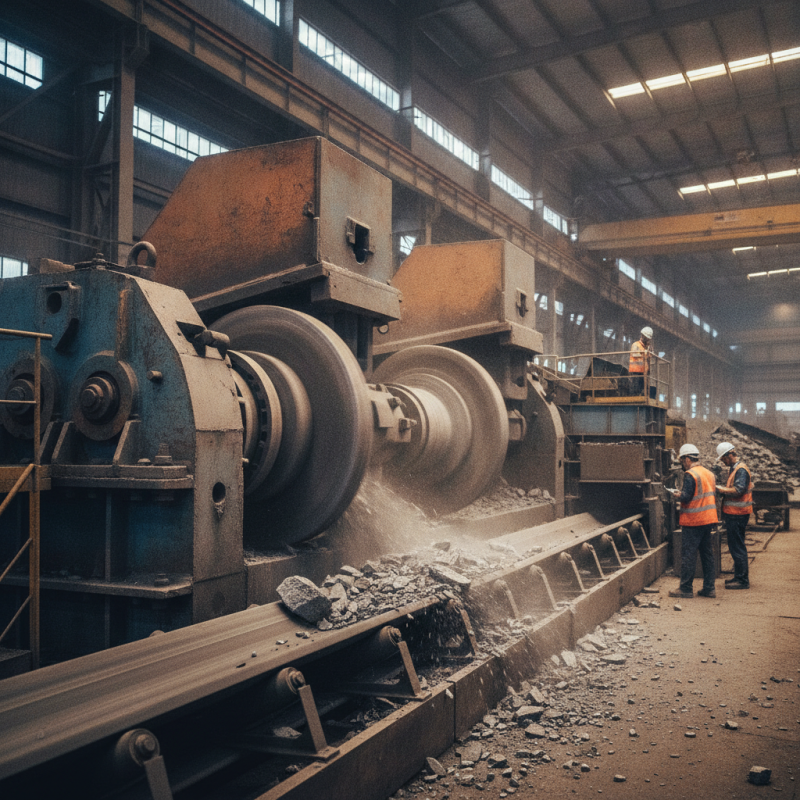
How to Choose the Best PC Hammer Crusher for Your Needs?
Choosing the right PC Hammer Crusher is vital for efficiency. With numerous options available, making a decision can feel overwhelming. Each model holds unique features tailored for specific tasks. Understanding your needs is the key to navigating this complex landscape.
In industrial settings, a PC Hammer Crusher can greatly impact productivity. It’s designed for crushing various materials, from stones to ores. However, not all crushers fit every operation. Consider factors like size, capacity, and power needs. Inadequate choices can lead to inefficiencies or excessive wear.
Reflect on your requirements thoroughly. Sometimes, what appears ideal might not suit your operation. Prioritize reliability and maintenance. A well-chosen PC Hammer Crusher not only boosts output but also minimizes downtime. Making an informed choice ensures long-term benefits for your business.
Understanding the Basics of PC Hammer Crushers and Their Functions
PC hammer crushers are essential in breaking down materials in various industries. Understanding their design and function helps you select the right model for your operation. These machines rely on a rotating hammer to pulverize materials, making them suitable for mining, construction, and recycling. According to industry reports, the global hammer crusher market is expected to reach a significant valuation, highlighting their demand across sectors.
When choosing a PC hammer crusher, consider factors like material hardness and production capacity. The typical crushing ratio can range from 10:1 to 25:1, which indicates how effectively the crusher breaks down the material. Selecting a machine that matches your specific needs will improve efficiency. It's essential to understand that maintenance plays a vital role in performance. Neglecting this can lead to increased downtime and costs.
Tip: Inspect the hammers regularly. Worn-out hammers can drastically reduce crushing efficiency. Keep in mind that not all models may handle the same workload, so be prepared to adjust based on real-time inspection. Adaptability is key. Lastly, if you experience unexpected vibrations or excessive noise, it's necessary to reassess the equipment's suitability for your specific use.
Key Factors to Consider When Selecting a PC Hammer Crusher
Choosing the right PC Hammer Crusher can directly impact your production efficiency and cost. Various factors influence this decision. The first is material type. The crusher should match the material’s hardness and moisture content. For example, soft materials like limestone require different specifications than harder ones like granite.
Another critical aspect is the crushing capacity. Research indicates that production requirements can vary significantly. A facility requiring 30 tons per hour may not need the same model as one handling 100 tons. Understanding these requirements is vital for optimal performance.
Additionally, consider the energy efficiency of the machine. According to recent industry reports, energy costs can account for up to 20% of operational expenses in crushing plants. Selecting a model with energy-saving features can lead to substantial savings over time. Frequent maintenance and part availability are also considerations that can impact long-term reliability and operational costs. Choosing a machine that has documented service history can help avoid unexpected downtime.
Evaluating Material Compatibility for Your PC Hammer Crusher Needs
When selecting a PC hammer crusher, evaluating material compatibility is crucial. Different materials have unique properties that affect the efficiency of the crusher. For instance, hard materials require robust crushers capable of withstanding high impact forces. Soft materials, on the other hand, might need less aggressive crushing actions. Understanding these differences can help in making informed choices.
Tips for material evaluation include conducting thorough tests on your materials. Assess their hardness, moisture content, and size distribution. Each of these factors influences how the material will respond to crushing. Always strive for a machine that aligns with your material characteristics.
Keep in mind that some crushers are designed for specific applications. If you're unsure about compatibility, consulting with experts can provide valuable insights. Engaging with professionals ensures you make choices rooted in knowledge and experience. This helps avoid costly mistakes later on.
Assessing Performance and Efficiency of Different PC Hammer Crushers
When selecting a PC hammer crusher, it’s crucial to evaluate its performance and efficiency. Various models on the market differ in capability. Some excel in handling hard materials, while others are designed for softer inputs. An understanding of your specific processing needs is essential. Weight, power, and design can all impact efficacy.
The material you intend to crush plays a significant role. For instance, a crusher with a higher rotation speed might produce finer particles. However, this may lead to increased wear over time. Energy consumption is another critical metric. Efficient models save on operational costs, but initial investments could vary.
It's worth noting that some manufacturers provide limited data about performance. This lack of transparency can make informed choices challenging. Testing a unit with trial runs may help discern its actual performance. User feedback can also shed light on long-term reliability and potential issues. Always consider these factors to ensure the best possible choice for your operations.
Cost-Effectiveness: Balancing Price and Quality in PC Hammer Crusher Selection
Choosing a PC hammer crusher involves careful consideration of cost-effectiveness. Quality is key, but budget constraints can complicate decisions. Finding the right balance between price and performance is essential. A well-built crusher might cost more upfront. However, it could save money in the long run by reducing maintenance and increasing efficiency.
Understand your specific needs. Analyze the materials you plan to crush. This affects the type of hammer crusher you require. More robust materials might necessitate a stronger model. Conversely, lighter materials could permit a less expensive version. Research can guide these decisions, but it’s not always perfect.
Consider warranties and support services. Sometimes, a cheaper machine offers limited assistance. This could lead to larger costs if issues arise. While a higher-priced option might have better support, ensure it aligns with your budget. Striking a balance here promotes reliability and aids long-term planning.