How to Choose the Right Carbon Steel Square Pipe for Your Needs?
Choosing the right Carbon Steel Square Pipe is crucial for any project. Expert engineer John Smith emphasizes, "Selecting the right material can significantly impact the durability of your structure." Carbon Steel Square Pipes are known for their strength and versatility. They are widely used in construction and manufacturing.
When choosing a Carbon Steel Square Pipe, consider the specific requirements of your project. These pipes come in various sizes and grades, affecting performance and cost. It's vital to assess factors like load capacity and environmental conditions. Small choices can lead to major consequences in project outcomes.
An informed decision requires both experience and knowledge. Engaging with industry professionals can provide insights into quality and sourcing. Make sure to research suppliers and their reputation before making a purchase. The right Carbon Steel Square Pipe can ensure your project not only meets safety standards but also stands the test of time.
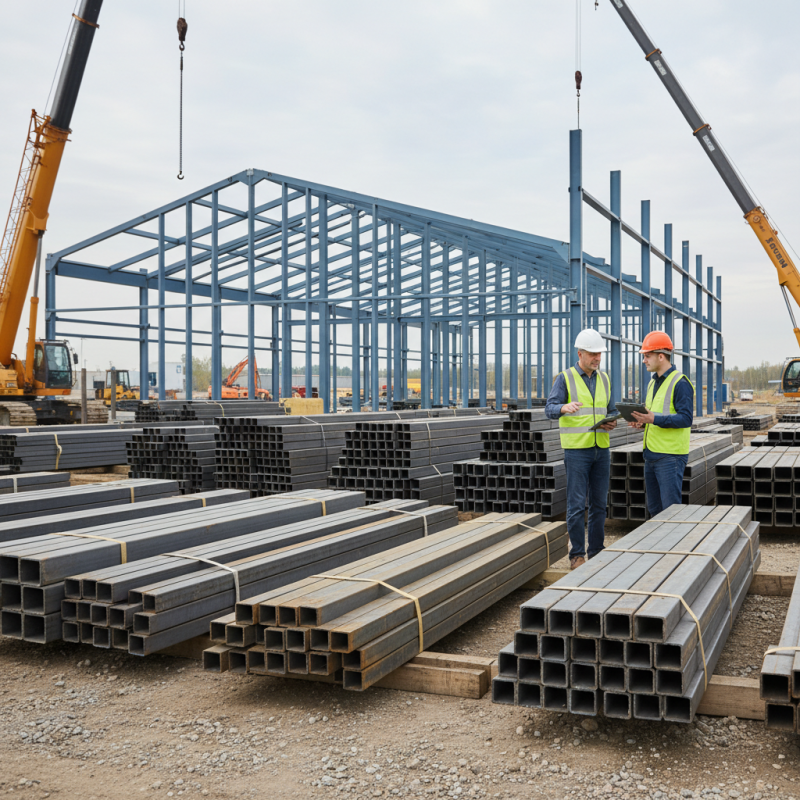
Factors to Consider When Choosing Carbon Steel Square Pipes
Choosing the right carbon steel square pipe involves several important factors. Start by considering the intended application. Carbon steel pipes can differ based on their strength and corrosion resistance. Evaluate if the pipe will be used for structural applications or fluid transportation, as this will dictate your material choice.
Next, assess the specified dimensions. Square pipes come in various sizes. Ensure that the dimensions match your project's requirements. Pay attention to wall thickness and opening dimensions. These factors affect overall strength and durability. Consult technical specifications to understand how different wall thicknesses impact load-bearing capacities.
Finally, think about the environment where the pipe will be used. Exposure to moisture can lead to rust. If that's a concern, additional protective coatings may be necessary. Always gather data from reliable sources. Be cautious when interpreting that data, as not all suppliers provide accurate information. Sometimes, it’s necessary to seek expert advice or peer reviews to ensure you’re making the right choice.
Understanding Different Grades of Carbon Steel
When selecting carbon steel square pipes, understanding the different grades is crucial. Carbon steel is categorized into various grades based on its carbon content and alloying elements. These grades significantly affect the pipe's strength, workability, and ductility. For example, low-carbon steel, which contains less than 0.25% carbon, is easier to weld and shape. It’s suitable for lightweight applications but may not withstand high stress.
Medium-carbon steel, with a carbon content between 0.25% and 0.60%, offers a balance between strength and ductility. This makes it a popular choice for structural components. High-carbon steel, containing over 0.60% carbon, is exceptionally strong but more brittle. Users should consider the specific requirements of their projects. Reflecting on the properties of each grade can prevent costly mistakes in material selection.
Moreover, it’s essential to assess the environmental conditions where the pipes will be used. Corrosion resistance is vital for durability. Some grades may require coatings or treatments, adding complexity to your decision. Remember, an informed choice minimizes the risks of failure. Understanding grades allows for better alignment of your project needs with material capabilities.
Carbon Steel Square Pipe Grades Comparison
Applications of Carbon Steel Square Pipes in Various Industries
Carbon steel square pipes find a wide range of applications across various industries, showcasing their versatility and strength. In construction, they are primarily used for structural frameworks. Their rigidity supports heavy loads, making them ideal for buildings and bridges. Industries like manufacturing and automotive rely on these pipes for creating robust machinery components. They offer advantages in terms of durability and cost-effectiveness.
Moreover, in the oil and gas sector, carbon steel square pipes play a crucial role. They transport fluids and gases safely, resisting extreme conditions. In the furniture industry, these pipes are often utilized to create modern designs. Their aesthetic appeal adds a contemporary touch to various products. However, careful consideration is necessary. The choice of the right thickness and coating can impact functionality and lifespan.
Understanding the specific requirements is essential. Not all carbon steel square pipes are created equal. Misjudging specifications can lead to costly mistakes. It's vital to assess factors like environmental conditions and load requirements. Industry experts often recommend consulting with professionals to ensure the right selection. Engaging in discussions about standards and best practices can lead to better outcomes in projects.
Comparing Cost and Durability of Carbon Steel Square Pipes
When selecting carbon steel square pipes, cost and durability are crucial factors. Carbon steel pipes offer a balance between affordability and strength. The price of these pipes can vary widely based on metal quality and thickness. Investing in higher-grade steel may cost more upfront but can lead to significant long-term savings due to durability.
Durability is often linked to the pipe's resistance to corrosion and mechanical stress. High-quality carbon steel can withstand extreme conditions, reducing maintenance needs. However, not all projects require high-grade materials. It may be tempting to go for cheaper options, but they can compromise structural integrity over time.
Tips: Always evaluate the specific requirements of your project. Check the environment where the pipes will be installed. In corrosive environments, choose pipes with protective coatings. Regular inspections can alert you to any potential issues early on. Balancing cost with durability requires careful consideration of both current and future needs.
Maintenance Tips for Longevity of Carbon Steel Square Pipes
Maintaining carbon steel square pipes is essential for their longevity. These pipes, while sturdy, are prone to corrosion. Regular inspections help identify any rust or wear early. It’s important to clean the surfaces routinely to prevent buildup of dirt and moisture. A simple cloth can work wonders. Remember, moisture is the number one enemy.
When storing these pipes, choose dry and ventilated spaces. Avoid areas with high humidity. This step can significantly reduce the risk of rust. Applying a protective coating can be beneficial too. Even the best products require upkeep. Regularly check the coating's integrity. If it shows signs of wear, consider reapplying it sooner rather than later.
Some users might overlook minor damages. Small dents or scratches can lead to bigger issues over time. Addressing these flaws promptly can save trouble later. It’s easy to forget, but even a small spot of rust needs attention. Your investment deserves the care it needs for a longer life. Making these maintenance habits routine can yield impressive results.