How to Choose the Right Double Row Ball Bearing for Your Needs?
Choosing the right double row ball bearing can be a daunting task. With various options available, selecting one that fits your specific needs is crucial. Industry expert Dr. John Smith emphasizes, “The right double row ball bearing can significantly impact machinery performance.” His insight showcases the importance of making an informed choice.
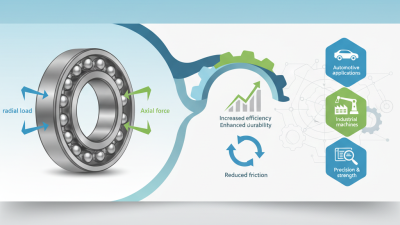
Double row ball bearings offer unique advantages. They provide increased load capacity and improved stability. However, many users struggle with identifying the right type for their applications. Factors such as size, material, and lubrication choices can complicate the decision process.
A informed selection of a double row ball bearing can enhance efficiency and prolong equipment lifespan. Yet, it demands careful consideration and understanding of various specifications. Numerous users may overlook critical details, leading to suboptimal results. Prioritizing these factors is essential for achieving the best performance.
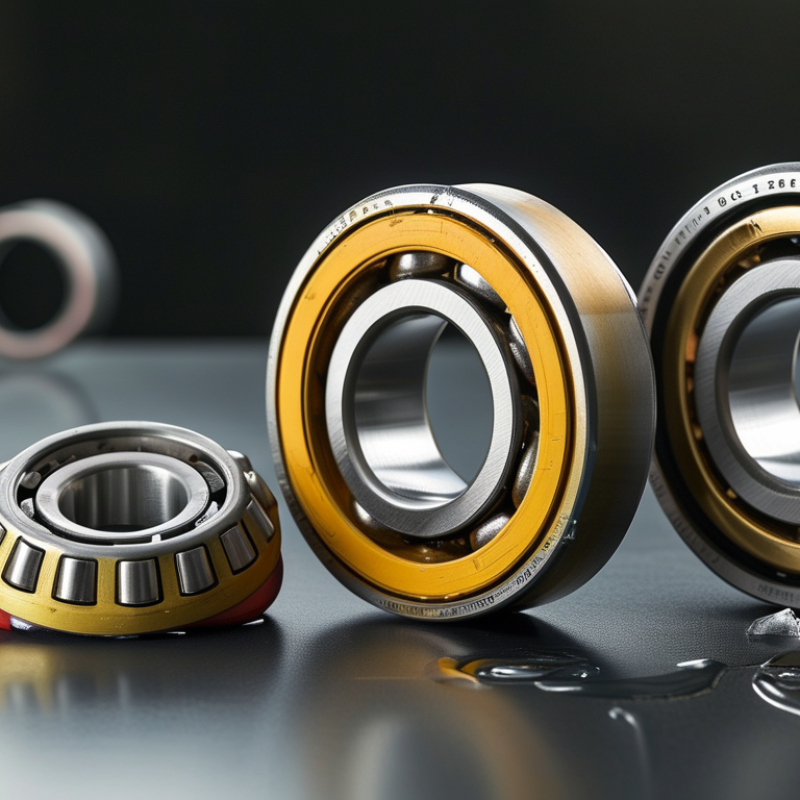
Understanding Double Row Ball Bearings: Key Features and Specifications
Double row ball bearings are essential in many applications. They offer increased load capacity and stability. Choosing the right one depends on key features and specifications. Understanding these aspects is crucial to ensure optimal performance in your projects.
The first consideration is the load rating. According to industry reports, a higher dynamic load rating can significantly enhance bearing longevity. This means if your application involves heavy loads, prioritize bearings with higher ratings. Additionally, consider the material composition. Steel and ceramic are common materials, each offering unique strengths. For example, steel bearings are robust but can rust, while ceramic bearings are lightweight and resistant to corrosion.
When evaluating double row ball bearings, pay attention to their sealing options. Seals help protect against contaminants. Research shows that sealed bearings can last up to 50% longer in harsh environments. Noise and vibration levels also warrant attention, especially for precision machinery. Ensuring compatibility with operational speed is vital for performance. Frequent maintenance checks can mitigate potential issues.
Utilizing the right features can yield better results. Analyze your application's specific requirements, including temperature ranges and speed variations. Consult industry literature to compare specifications from different manufacturers. This will guide you toward a suitable choice tailored to your needs.
Assessing Load Capacity: Static and Dynamic Ratings for Double Row Bearings
Choosing the right double row ball bearing involves understanding its load capacity. Two critical ratings to consider are static and dynamic load capacities. Static load capacity indicates the maximum load a bearing can support without permanent deformation. Conversely, dynamic load capacity refers to the maximum load a bearing can withstand while in operation. This distinction is vital. Users must assess their specific applications to ensure optimal performance.
Industry reports show that static ratings for double row bearings can vary greatly, often ranging from a few kilonewtons to several hundred kilonewtons. For instance, a typical static load rating might be around 350 kN. Meanwhile, dynamic load ratings are generally lower, reflecting operational limits. A common dynamic load rating for many double row bearings can be approximately 250 kN. These values highlight the importance of thoughtful application of the bearings in specific environments.
Properly assessing load ratings prevents premature bearing failure. Miscalculating loads can lead to excessive wear or catastrophic failure. It is crucial to consider factors like speed and alignment. In practice, some industries overlook these aspects, assuming standard ratings apply universally. However, nuances in usage can significantly affect performance. Understanding these ratings is essential for maintaining reliability in machinery.
Load Capacity of Double Row Ball Bearings
This bar chart illustrates the static and dynamic load capacities of various double row ball bearings. The static load capacity represents the maximum load a bearing can withstand while stationary, while the dynamic load capacity indicates the maximum load it can handle during operation.
Material Selection: Steel vs. Ceramic in Double Row Ball Bearings
Material selection in double row ball bearings is crucial for performance. Steel and ceramic are two primary choices. Steel bearings are durable and commonly used. According to industry reports, steel bearings can withstand high loads and offer good wear resistance. They typically perform well in various conditions but may rust under moisture. In contrast, ceramic ball bearings boast lightweight properties. They can often operate at higher speeds and have lower friction coefficients. This leads to improved efficiency and longevity.
Considering a mix of performance characteristics and application requirements is essential. Steel is cost-effective and readily available. However, it may not always provide the best performance under extreme conditions. Ceramic, while more expensive, offers superior thermal stability and corrosion resistance. A recent industry survey highlighted that about 70% of engineers prefer ceramic bearings in aerospace applications due to their high performance.
Choosing between steel and ceramic requires careful thought. Evaluate the specific operating conditions. What temperatures will the bearings face? Will they be exposed to harsh chemicals? Testing both materials in prototype stages can reveal performance differences. Look past initial costs; consider long-term efficiency and maintenance demands.
Lubrication Options: Grease vs. Oil for Optimal Performance
When selecting lubrication for double row ball bearings, the choice between grease and oil can significantly affect performance.
Grease provides a thicker barrier, which offers better sealing capabilities. It helps reduce leakage and prevents contaminants from entering the bearing. Ideal for applications with limited maintenance, grease can hold up well in various conditions.
Oil, on the other hand, promotes superior heat dissipation and lubrication for high-speed applications. As reported by the International Journal of Mechanical Sciences, oil-based lubrication can reduce friction by up to 80% in certain contexts. However, oil requires more frequent maintenance and monitoring. This can lead to potential issues if not managed properly.
Ultimately, the choice depends on specific operational needs. Grease might seem simple but adjusting the viscosity for optimal performance is tricky. Using the wrong type can cause excessive wear. Conversely, while oil extends the life of high-speed machinery, the risks associated with oil leaks can outweigh its benefits. Careful consideration of these factors is critical.
Application Considerations: Matching Bearings to Industry Requirements
When choosing a double row ball bearing, industry requirements must guide your selection. Different applications demand specific bearing characteristics. For instance, in the automotive sector, bearings must handle high speeds and loads. A report from the Bearing Manufacturers Association indicates that approximately 30% of bearing failures in automotive applications stem from misalignment. This highlights the need for careful assessment of alignment tolerances.
In manufacturing, environmental factors can impact bearing performance. Dust, moisture, and temperature variations play a role. According to a study by the American Society of Mechanical Engineers, proper sealing solutions can extend bearing life by up to 50%. Selecting a bearing that can resist contaminants is crucial in preventing premature failures. Consideration of lubrication methods also becomes essential in dynamic applications.
Not all double row ball bearings are created equal. Some may offer higher load ratings while others excel in rotational speed. It is important to analyze your specific application requirements. Performance data from different bearings can be complex and overwhelming. Yet, understanding these nuances can lead to more reliable machinery. This is often a reflection of the need for ongoing evaluation and adjustment in your strategies for bearing selection.