How to Choose an American Type Hose Clamp with Handle?
Choosing the right tools for your projects can be daunting. One essential tool is the American Type Hose Clamp with Handle. This clamp is designed to provide a secure grip on hoses, preventing leaks and ensuring efficiency. Its handle design offers convenience for users, as it allows for easy tightening and loosening.
When selecting an American Type Hose Clamp with Handle, consider the size and material. Clamps come in various sizes to fit different hoses. If you choose the wrong size, you might experience leaks. Materials like stainless steel offer durability while resisting corrosion. Remember to check the specifications carefully.
It’s crucial to prioritize quality when making this decision. A high-quality clamp can save you time and frustration in the long run. However, don’t overlook the importance of cost. Sometimes, a cheaper option might offer similar functionality. Weigh your options thoroughly before making a choice. Understanding these aspects can lead to better repair outcomes.
Understanding the Functionality of American Type Hose Clamps
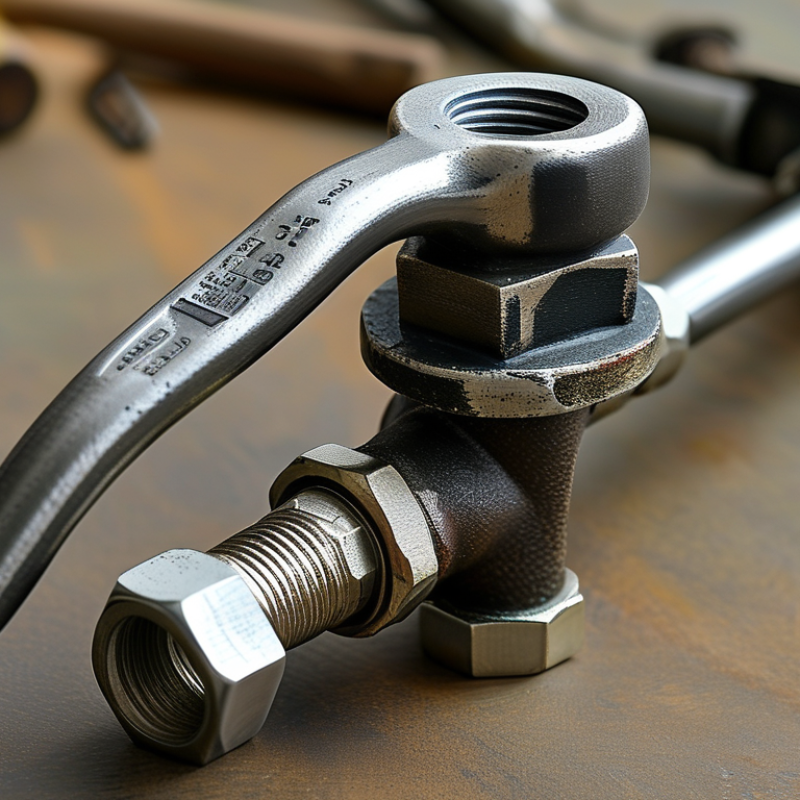
American type hose clamps with handles are essential in various applications. They create a secure seal on hoses and pipes, preventing leaks and ensuring efficient operation. Understanding their functionality can help you select the right clamp for your needs.
These clamps feature a simple design. A handle allows for easy tightening and loosening, making adjustments straightforward. This is crucial in situations where quick changes are needed. Properly installed clamps maintain pressure and minimize the risk of hose damage. However, if not tightened correctly, they can lead to leaks or failures over time.
When choosing a clamp, consider the hose diameter and material. A mismatched size can result in ineffective sealing. Pay attention to the material of the clamp; corrosion-resistant options are preferable for wet environments. Review your installation process. Inadequate pressure can compromise the clamp’s effectiveness. Regular inspections can help prevent unexpected failures. It’s important to acknowledge that even reliable clamps can wear out or malfunction. Regular maintenance is necessary to ensure they perform effectively.
How to Choose an American Type Hose Clamp with Handle? - Understanding the Functionality of American Type Hose Clamps
| Diameter Range (inches) | Material | Handle Type | Tension Strength (lbs) | Usage/Application |
| 1.5 - 2.0 | Stainless Steel | Plastic Handled | 120 | Automotive Cooling Systems |
| 2.0 - 2.5 | Galvanized Steel | Metal Handled | 150 | Plumbing and HVAC |
| 2.5 - 3.0 | Stainless Steel | Plastic Handled | 180 | Agricultural Applications |
| 3.0 - 3.5 | Polypropylene | Comfort Grip Handle | 160 | Industrial Fluid Transfer |
Types of American Hose Clamps: Key Features and Differences
When choosing an American type hose clamp, understanding the various options is crucial. American hose clamps generally fall into a few types: screw or worm gear, flat band, and spring clamps. Each offers distinct features, affecting performance and suitability.
Screw clamps are the most common. They provide a strong grip and are easily adjustable. Research shows that they can withstand high pressures, making them ideal for automotive applications. Flat band clamps, however, excel in low-pressure environments. They distribute force evenly, preventing damage to softer hoses. In contrast, spring clamps can automatically adjust to varying diameters, ensuring a tight seal as temperatures fluctuate.
An industry report from the North American Clamping Association indicates a growing trend towards using multi-spring clamps in industrial contexts. This shift reflects a need for enhanced reliability and ease of use. Yet, many users struggle with installation. Improper placement can lead to leaks. Thus, choosing the right type and ensuring proper assembly is critical. Understanding these differences allows users to select the most effective clamp for their specific applications.
Factors to Consider When Selecting a Hose Clamp with Handle
When selecting an American type hose clamp with a handle, several critical factors come into play. Material choice is essential. Most clamps are made of stainless steel or zinc-plated steel. Stainless steel offers corrosion resistance, making it ideal for outdoor applications. Meanwhile, zinc-plated steel is more cost-effective but can rust over time. According to industry reports, approximately 30% of failure in hose connections is due to inadequate corrosion protection.
Size is another vital consideration. A proper fit guarantees optimum performance. Loose clamps may lead to leaks, while overly tight clamps can harm the hose. Measure both the diameter of the hose and the clamp's range beforehand. Research indicates that a mismatch in size is responsible for 25% of hose clamp failures. Furthermore, check the clamping range specified by manufacturers to ensure compatibility.
The handle design also makes a difference. A well-designed handle offers better leverage, facilitating easier tightening and loosening. In some cases, users overlook ease of use, leading to improper installation. If a hose clamp is challenging to operate, it may result in frustrating maintenance experiences. Pay attention to ergonomics, as this can significantly affect long-term satisfaction and efficiency in various applications.
Guidelines for Correct Installation and Use of Hose Clamps
Proper installation and use of hose clamps are crucial for various applications. Ensure that the hose is clean and dry before attaching the clamp. A dirty or wet surface can lead to a poor seal, resulting in leaks. When positioning the clamp, ensure it aligns well with the hose. Misalignment creates stress on the connection, leading to potential failures.
Tightening the hose clamp is another important aspect. Over-tightening can damage the hose, while under-tightening leads to leaks. Use a torque wrench if available. This helps achieve the right tension. Check for any visible damage to the hose or clamp before installation. Signs of wear may indicate the need for replacement. Regular inspection is important for maintaining reliability. A small crack can grow into a larger problem.
Even after careful installation, issues may still arise. Sometimes, a clamp may not hold well, especially under varying temperatures. Regular maintenance checks will help identify weaknesses early. It's essential to assess the clamp and the hose for signs of wear or stress. This proactive approach improves safety and functionality. Taking these steps will enhance the longevity of your connections.
Usage of Hose Clamps by Type
Maintenance Tips for Prolonging the Life of Hose Clamps
Hose clamps are essential tools in various applications. Proper maintenance can significantly extend their life and enhance performance. Regular inspection is crucial. Look for signs of wear or corrosion. The National Hose Manufacturing Association emphasizes that even minor issues can lead to failure if left unaddressed.
To avoid leaks, ensure clamps are tightened to the appropriate specifications. Over-tightening can lead to damage, while under-tightening can cause slippage. According to industry reports, using a torque wrench can achieve accurate tension, ideally 20-30% below the manufacturer’s maximum recommendation. This balance is vital for maintaining clamp integrity.
Cleaning hose clamps regularly also aids maintenance. Dirt and debris can interfere with their effectiveness. The American Institute for Manufacturing recommends using a soft brush to clear out buildup. Additionally, consider the environment where hose clamps are used. High humidity or exposure to chemicals can deteriorate materials. Review your setup regularly to adapt to changing conditions. Your attention to detail can prevent costly repairs in the future.