How to Choose the Best Commercial Griddle for Your Business?
Choosing the right Commercial Griddle can significantly impact your business's efficiency and menu quality. This essential cooking equipment is not just an appliance; it's a cornerstone of many kitchens. A high-quality Commercial Griddle can enhance food preparation and improve service speed.
When selecting a griddle, consider size, heat distribution, and materials. A larger cooking surface allows for more food preparation at once. Meanwhile, even heat distribution reduces cooking time. Stainless steel griddles are often durable but may require more maintenance. Assess your business’s specific needs and budget constraints as well. It’s common to overlook the importance of proper maintenance. Neglecting it can lead to costly repairs and downtime.
Remember, a Commercial Griddle is an investment. It's not just about the initial purchase; ongoing care is essential. Reflect on how frequently you cook, the type of foods you prepare, and the number of customers you serve. Balancing these factors will guide you to a suitable choice.
Factors to Consider When Choosing a Commercial Griddle
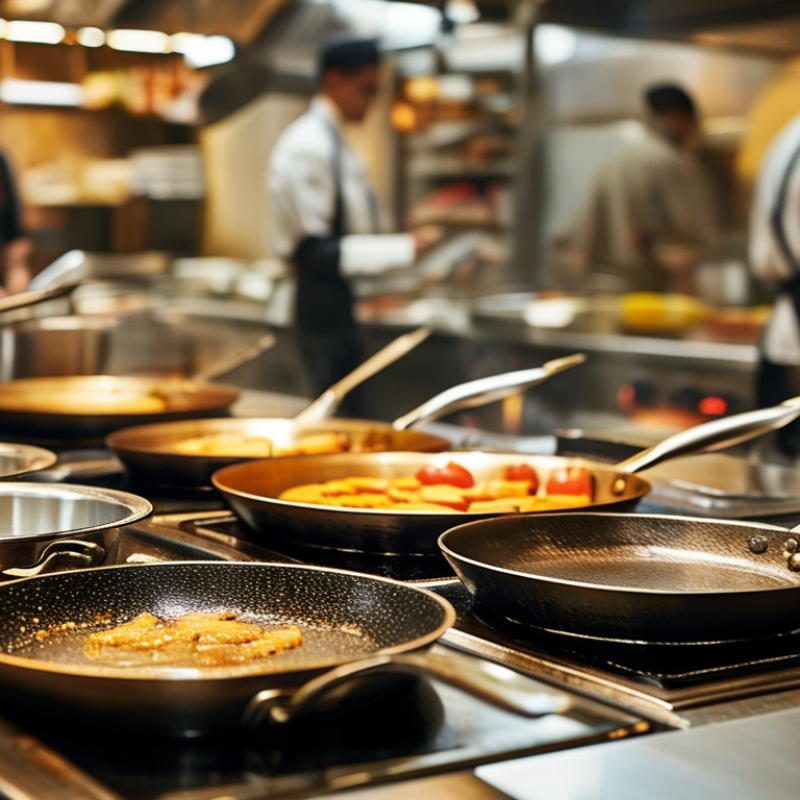
When choosing a commercial griddle, several critical factors come into play. The size of the griddle is essential, as it needs to fit your kitchen's space and meet your cooking volume. A larger griddle allows more food to be cooked at once, enhancing efficiency during peak hours. However, if space is tight, a compact model may suffice.
Material plays a significant role as well. Stainless steel griddles are durable and easy to clean, while cast iron provides excellent heat retention. Each has its pros and cons, often requiring careful consideration for your specific needs.
Additionally, heating elements can affect cooking consistency. Gas or electric options vary widely in performance and maintenance requirements. Make sure to assess your kitchen's setup for compatibility.
Lastly, think about the features offered. Some griddles come with temperature controls and adjustable surfaces that can improve cooking results. Remember, not every feature is necessary for every restaurant. It's crucial to balance practicality with your menu requirements.
Every kitchen is different, which means the best choice may not be immediately obvious. Reflect on your unique situation to find the optimal fit.
Types of Commercial Griddles: Electric vs. Gas
When choosing a commercial griddle, you may encounter two main types: electric and gas. Each has its own set of advantages. Electric griddles are often easier to operate. They heat up quickly and can maintain consistent temperatures. This makes them a good choice for smaller kitchens with limited ventilation. Electric models tend to require less maintenance and are straightforward to clean.
Gas griddles, on the other hand, provide powerful heat and quick recovery times. They are ideal for high-volume cooking environments. Chefs often prefer gas for its responsiveness. It can create sear marks and enhance flavors. However, gas griddles may require more installation work and proper ventilation. This can complicate their use in some locations.
As you weigh your options, consider your kitchen's layout and specific cooking needs. Think about energy sources available to you. Electric griddles can be efficient, but gas models may offer more versatility. Each choice comes with challenges. Balancing efficiency with performance is vital for success.
Importance of Griddle Material: Stainless Steel vs. Cast Iron
When choosing a commercial griddle, the material drastically impacts performance and longevity. Stainless steel is popular for its resistance to rust and corrosion. It heats evenly and is easy to clean. This material works well in busy kitchens where hygiene is crucial. However, it can be less effective at retaining heat compared to cast iron.
On the other hand, cast iron offers superior heat retention. It can provide a beautiful sear on meats, enhancing flavor. While it requires more maintenance to prevent rust, the results can be rewarding. Cast iron griddles can develop a natural non-stick surface over time, which can be quite appealing to chefs.
Tips: Consider your cooking style when choosing. If you cook a lot of delicate items, stainless steel could be better. For high-heat searing, cast iron is often preferred. Whichever material you choose, regular maintenance is key. Inspect for wear and ensure proper cleaning methods are followed. Reflect on how each material aligns with your operation goals.
How to Choose the Best Commercial Griddle for Your Business?
Evaluating Griddle Size and Cooking Surface Area for Efficiency
When selecting a commercial griddle, size plays a crucial role in efficiency. A larger cooking surface area allows for more food to be prepared simultaneously, reducing wait times. According to industry reports, establishments with at least 36 inches of cooking space can serve up to 50% more customers per hour. This is particularly vital during peak hours when demand peaks unexpectedly. Choosing the right size can significantly enhance service speed and improve overall customer satisfaction.
However, bigger isn't always better. Too large a griddle can waste energy and increase heat-up times. Balancing space and efficiency requires thoughtful planning. For instance, a smaller kitchen might benefit from a compact 24-inch griddle, saving both space and energy. It’s essential to assess your menu. If you serve a variety of items that require multiple cooking zones, consider a griddle with distinct sections. This adaptability leads to better workflow and ensures that food quality remains high, even during rush periods.
Size also influences maintenance and cleaning. A larger griddle requires more time and resources to maintain. As reported by the National Restaurant Association, improper maintenance can lead to inefficiencies and increased costs. Griddle choice should reflect not only cooking needs but also long-term operational costs, ensuring a healthy bottom line for your business.
How to Choose the Best Commercial Griddle for Your Business? - Evaluating Griddle Size and Cooking Surface Area for Efficiency
| Griddle Size (inches) | Cooking Surface Area (sq. inches) | Estimated Cooking Capacity (burgers/hour) | Power Source | Material |
| 24 x 16 | 384 | 20 | Electric | Stainless Steel |
| 36 x 20 | 720 | 40 | Gas | Cast Iron |
| 48 x 24 | 1152 | 60 | Electric | Aluminized Steel |
| 72 x 24 | 1728 | 90 | Gas | Stainless Steel |
| 60 x 30 | 1800 | 100 | Electric | Cast Iron |
Cost vs. Quality: Budgeting for Your Commercial Griddle Needs
When choosing a commercial griddle, budgeting is key. Balancing cost and quality is crucial for business success. A lower-priced griddle might save money now, but could lead to higher costs later. Frequent repairs and replacement can quickly erase initial savings. So, weigh durability against upfront costs.
Quality griddles often feature robust materials and advanced features. These aspects enhance cooking efficiency and longevity. For example, a thick cooking surface distributes heat evenly. This leads to better cooking results and happier customers. However, quality comes at a price, and it requires careful budgeting.
Sometimes, a compromise is necessary. Not every business can afford top-tier equipment. Yet, investing in reliable tools should not be overlooked. Research your specific needs. A smaller business may prioritize different features than a larger establishment. Focus on how often the griddle will be used. This can guide your choices effectively.