How to Choose the Best Oil Field Equipment for Your Needs?
Selecting the right Oil Field Equipment is crucial for success in the oil and gas industry. With numerous options available, it can be overwhelming. Every project has unique requirements, making the selection process essential. The right equipment can optimize efficiency and reduce costs while ensuring safety standards are met.
When considering oil field equipment, think about durability and versatility. Equipment must withstand harsh environments and heavy usage. From drilling rigs to pumps, understanding the specifications is vital. Research different manufacturers and their reputations. A reliable supplier can make all the difference.
However, not every piece of equipment will fit your project perfectly. It’s important to reflect on your specific needs and budget. Trial and error can lead to costly mistakes. Always seek expert advice when in doubt. Investing time in this process can yield a better outcome for your oil field operations.
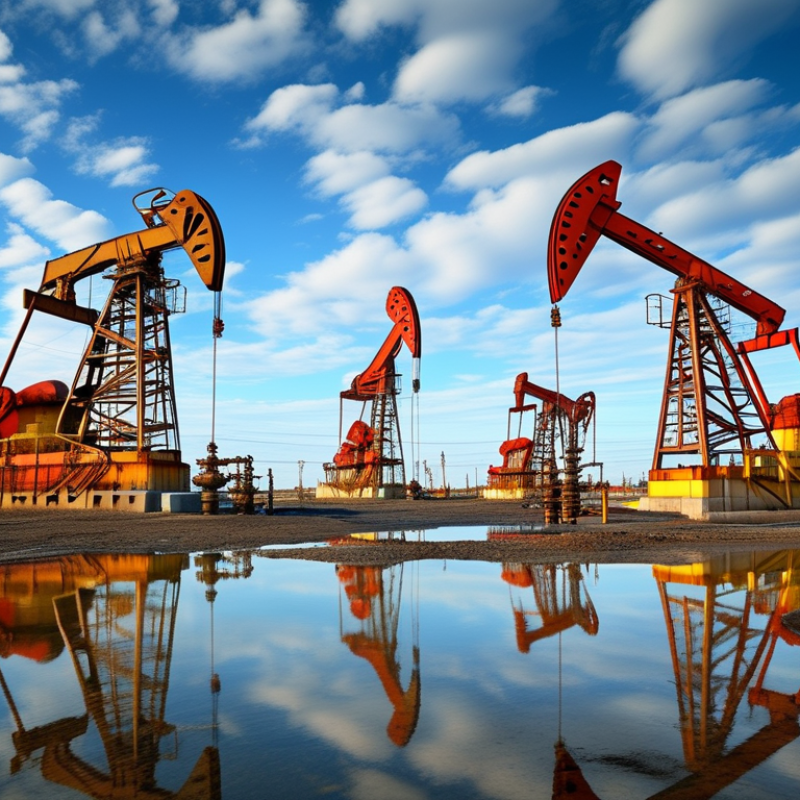
Understanding Your Specific Oil Field Operations and Requirements
When selecting oil field equipment, it is crucial to understand the specific operations and requirements of your site. Each oil field presents unique conditions, influenced by geology, climate, and resource type. According to a recent report from the Energy Information Administration, over 68% of drilling success depends on the right equipment tailored to these variables.
Assessing your operational needs is essential. For instance, consider the depth of the wells and the type of extraction method. If you’re focusing on unconventional resources, specialized equipment may be necessary. Conventional drilling might require standard rigs, while shale extraction mandates advanced technologies. Misalignment can lead to increased operational costs, estimated to reach up to 30% in some cases.
Furthermore, maintenance is often overlooked. It's crucial to factor in the reliability of the equipment. The downtime due to equipment failure can be substantial. Reports indicate that unplanned downtime costs the oil and gas industry approximately $1.4 billion annually. Understanding these nuances allows for informed decisions, ensuring that your operations run smoothly and efficiently.
Key Considerations for Selecting Drilling and Production Equipment
Selecting the right drilling and production equipment is crucial for oil field operations. When assessing options, consider the specific geological conditions. The equipment must be able to perform under the unique challenges of your site. Drilling rigs should be evaluated based on their adaptability and efficiency. A mismatch in this area can lead to significant delays and increased costs.
Evaluate the technology integrated into the equipment. Cutting-edge tools can enhance performance and safety. However, older, simpler systems might offer reliability that newer models lack. Assess maintenance requirements as well. Some equipment demands regular and costly upkeep, which can strain your budget.
Environmental considerations are also essential. Equipment should minimize impact while maximizing output. Not all options will align with sustainable practices. Prioritize solutions that address not only productivity but also ecological responsibility. Take your time to weigh all factors carefully. A hasty decision could result in complications and unforeseen issues.
Evaluating the Performance Metrics of Oil Field Equipment
When assessing oil field equipment, performance metrics are vital. Key indicators include efficiency, durability, and adaptability. Studies reveal that a well-maintained pump can enhance extraction by up to 15%. This highlights the importance of choosing reliable equipment for optimal productivity.
Proper evaluation involves understanding the working conditions. Equipment must withstand extreme temperatures, pressures, and corrosive environments. Data suggest that 30% of equipment failures result from inadequate performance metrics analysis. Regular inspections and testing can help mitigate risks.
Tips: Always prioritize tools with proven track records in similar conditions. Engaging with industry reports can provide insights into performance data. Rely on equipment that has been tested in real field scenarios. It's crucial to avoid the temptation of selecting equipment solely based on cost, as initial savings may lead to higher long-term expenses. Make informed choices based on comprehensive evaluations.
Cost-Benefit Analysis of Various Oil Field Equipment Options
When evaluating oil field equipment options, conducting a cost-benefit analysis is essential. A report by the International Energy Agency indicates that well completion equipment can vary dramatically in cost. The initial investment can go from $200,000 to over $1 million, depending heavily on the technology and features. Understanding the long-term benefits of these investments often proves crucial. For example, advanced drilling rigs might have higher upfront costs but lead to increased productivity and lower operational costs over time.
Consider these basics when assessing value. Calculate the total cost of ownership, which includes service, maintenance, and potential downtime. A well-known industry statistic reveals that improper equipment choice can lead to up to 30% of project delays. This often results in substantial financial losses, making your choice even more critical. Evaluate performance metrics and consider feedback from operators in the field.
When selecting equipment, remember that not every option suits every field. Local geographies and conditions can affect equipment performance, so it's wise to align your choices with field-specific needs. Keep an eye on emerging technologies, as they can change the game. An adaptable approach may save you significant resources in the long run.
How to Choose the Best Oil Field Equipment for Your Needs? - Cost-Benefit Analysis of Various Oil Field Equipment Options
| Equipment Type | Initial Cost (USD) | Operating Cost (USD/Year) | Maintenance Cost (USD/Year) | Average Lifespan (Years) | Return on Investment (%) |
| Drilling Rig | 500,000 | 150,000 | 50,000 | 20 | 20% |
| Pump Jack | 100,000 | 20,000 | 5,000 | 15 | 18% |
| Separator | 75,000 | 10,000 | 3,000 | 10 | 25% |
| Compressor | 200,000 | 45,000 | 12,000 | 12 | 15% |
| Storage Tank | 50,000 | 5,000 | 1,000 | 25 | 30% |
Importance of Safety Standards and Compliance in Equipment Selection
When selecting oil field equipment, safety standards and compliance should be your top priority. Adhering to these standards ensures the safety of workers and the environment. Equipment meets strict guidelines designed to prevent accidents. Non-compliance can lead to costly fines and dangerous situations. Always check the regulatory requirements relevant to your operation. Engaging experts in safety regulations is vital for informed decision-making.
Consider equipment that has certifications from recognized safety organizations. This can offer peace of mind. Inspect each piece for quality assurance labels. It's also essential to evaluate the equipment's maintenance record. Regular maintenance ensures that all parts function as intended, reducing risks.
Prioritize training for all personnel handling the equipment. Proper training helps recognize potential hazards. Ensure all team members understand operating procedures clearly. Regular safety drills can reinforce this training. Reflect on past incidents to improve future practices. Open discussions about safety concerns foster a culture of vigilance.