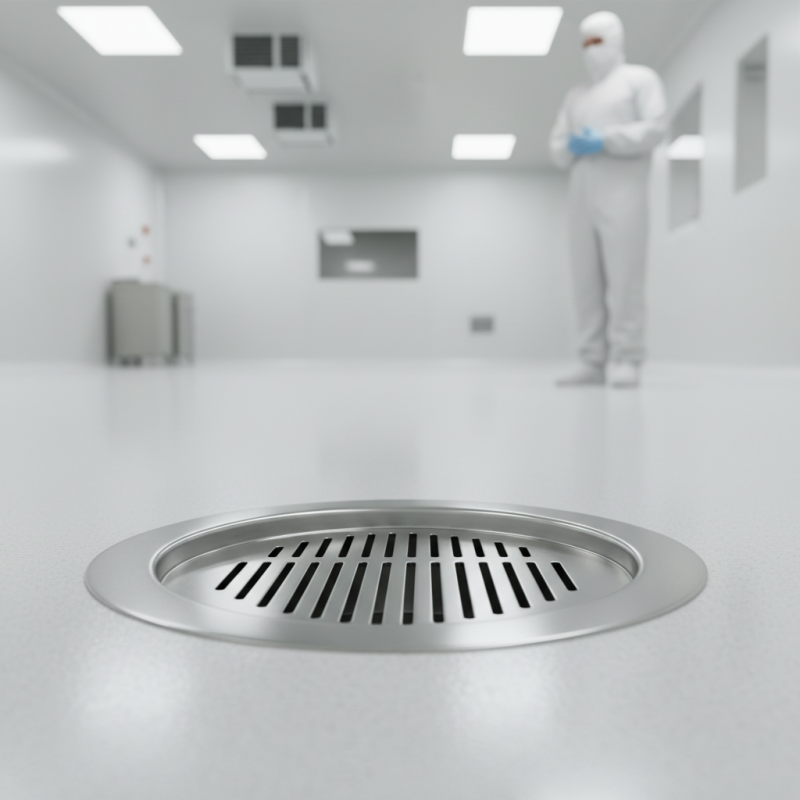
How to Choose the Best Stainless Steel Floor Drain for Cleanrooms?
Choosing the right Cleanroom Stainless Steel Floor Drain is crucial for maintaining a sterile environment. In cleanrooms, sanitation is paramount. The floor drain plays a vital role in effective waste management. Stainless steel is a popular choice due to its durability and resistance to corrosion.
However, selecting the best option involves more than just material. Consider the drain's design, flow capacity, and ease of cleaning. Different cleanrooms have varied needs, and what works for one may not suit another.
When evaluating products, consult industry experts. Their insights can help you avoid common pitfalls. Not all drains provide the same level of performance. It’s essential to reflect on your specific requirements. Balancing cost and quality can be challenging but rewarding. A well-chosen Cleanroom Stainless Steel Floor Drain enhances cleanliness and operational efficiency.
Factors to Consider When Selecting Stainless Steel Floor Drains for Cleanrooms
When selecting stainless steel floor drains for cleanrooms, several factors come into play. The material quality is crucial. Stainless steel should be corrosion-resistant and easy to clean. Look for types with inert properties that resist bacteria. Proper drainage capacity is also essential. Drains should handle heavy fluid flow without causing backups.
Design is an important aspect too. The size and shape of the drain must fit the cleanroom layout. Flat or recessed designs help prevent contamination. Easy installation features promote efficient use of space. Keep in mind maintenance requirements as well. Components should be accessible for cleaning and inspection.
Another consideration is compliance with industry standards. Drains must meet specific hygienic criteria. Choosing products that have certifications can ensure higher reliability. Consulting with experts in cleanroom design can provide valuable insights. They can guide you in making the right choice based on your cleanroom's needs.
Understanding the Different Grades of Stainless Steel for Cleanroom Applications
When selecting stainless steel floor drains for cleanrooms, understanding the different grades of stainless steel is crucial. The most commonly used grades for cleanroom applications are 304 and 316. Grade 304 is resistant to corrosion but may not withstand harsher environments. In contrast, Grade 316 contains molybdenum, enhancing resistance to pitting, especially in chloride-rich environments. According to a report by the International Facility Management Association, using the right grade can extend the lifespan of floor drains significantly, reducing long-term costs.
Tips: Always consult with cleanroom professionals when choosing materials. Their expertise can provide valuable insights into the specific needs of your environment.
It's important to consider surface finish as well. The smoothness of the finish can affect cleanliness. A polished surface minimizes bacterial adhesion, which is vital in cleanrooms. Reports indicate that a proper surface finish can reduce contamination by up to 40%. However, achieving an ideal finish may require additional maintenance. Unfinished or poorly finished drains could lead to costly remediation efforts later.
Tips: Regular inspections and maintenance of floor drains can prevent unforeseen issues. Implementing a schedule may improve operational efficiency.
Key Performance Metrics for Cleanroom Drainage Systems: Flow Rate and Size
When selecting the ideal stainless steel floor drain for cleanrooms, understanding its flow rate and size is crucial. The flow rate determines how quickly water can be removed, preventing pooling and contamination. In cleanroom environments, even small amounts of standing water can lead to microbial growth. Thus, manufacturers often provide specifications, but real-world performance may vary. Testing flow rates under different conditions is essential for accuracy.
Size is another critical factor. A drain that is too small may become clogged, while one that is oversized wastes resources. Proper sizing ensures efficient drainage, meeting the specific needs of the cleanroom. Take into account the layout and expected foot traffic in the area. Visualizing water flow can help in making a better choice.
Evaluating your options can feel overwhelming. Not every factor gets equal weight in every situation. Consulting experts and analyzing past performance can provide insights. However, you might still face unexpected challenges. Make sure to document any issues you encounter for future reference. Understanding these variables leads to better decisions in the long run.
Industry Standards and Compliance Regulations for Cleanroom Drain Selection
When selecting a stainless steel floor drain for cleanrooms, understanding industry standards is crucial. Cleanrooms must comply with strict regulations to ensure a controlled environment. Guidelines from organizations like ISO and ASTM provide parameters for drain materials, design, and installation. A drain must resist corrosion, support easy cleaning, and meet sanitary standards.
Compliance regulations often dictate the types of materials used. For example, 304 stainless steel is common due to its durability, but 316 stainless steel offers better corrosion resistance. The surface finish plays a significant role as well. A smooth finish helps prevent bacterial growth and simplifies maintenance. Many facilities struggle with balancing cost and compliance, leading to possible oversights in drain selection.
It’s essential to evaluate the specific needs of your cleanroom. Each industry has unique requirements, which might lead to varying protocols and standards. Pay attention to local regulations that might impact your choices. Engaging with industry experts can provide valuable insights but requires critical thinking. Reflect on how past decisions might influence your current selections. Aim for continuous improvement in cleanliness and safety through thoughtful drain selection.
Maintenance Best Practices for Ensuring Long-lasting Cleanroom Floor Drains
Maintaining cleanroom floor drains is crucial for ensuring a contamination-free environment. Regular inspections should be a priority. Look for any sediment buildup or visible blockages. A clean drain promotes efficient drainage and prevents water pooling, which can lead to contamination.
Proper cleaning techniques are essential. Use non-abrasive tools to scrub the drains, avoiding any harsh chemicals that could damage stainless steel. Organic detergents are often effective. After cleaning, rinse thoroughly to ensure no residue remains. Regular cleaning schedules can help maintain optimal conditions.
Tips for effective maintenance:
- Schedule inspections monthly to catch issues early.
- Use lightweight brushes for scrubbing to reduce wear on surfaces.
- Keep a maintenance log; it helps track issues and repairs.
Consider the drainage system's design. Proper slope and positioning can minimize maintenance efforts. However, if you notice frequent clogs, it may indicate a design flaw that needs addressing. Reflect on the current setup and be open to adjustments if necessary.
How to Choose the Best Stainless Steel Floor Drain for Cleanrooms? - Maintenance Best Practices for Ensuring Long-lasting Cleanroom Floor Drains
| Feature | Description | Importance | Maintenance Frequency |
| Material Quality | Type 304 or 316 stainless steel for corrosion resistance. | High | Monthly |
| Grate Design | Removable grates for easy cleaning. | Medium | Bi-weekly |
| Flow Rate | Measured capacity for draining water effectively. | High | Annually |
| Size and Dimension | Dimensions that fit the specific cleanroom layout. | High | As Needed |
| Odor Trap | Ensure a water seal to prevent odors. | Medium | Monthly |