How to Choose Galvalume Steel Coil for Global Sourcing?
Choosing the right Galvalume Steel Coil for global sourcing requires more than comparing quotations. Buyers must connect product performance, supplier capability, and delivery reliability. A coil may look competitive on paper, yet fail during forming, coating, or long-distance transportation.
In practical sourcing work, key checks include steel grade, base-metal thickness, coil width, coating mass, surface finish, and mechanical properties. Galvalume coating, commonly made with aluminum, zinc, and silicon, offers strong resistance to corrosion and heat. However, performance depends on production control, storage conditions, and the final application. Roofing, wall panels, automotive parts, and industrial equipment may require different specifications. Small differences matter.
Ask for complete mill test certificates. Verify them against the purchase order. Request coating data, dimensional tolerances, packaging details, and inspection records. A reliable supplier should explain how coils are protected from moisture during ocean transport. Photo evidence can reveal damaged edges, loose wrapping, or poor strapping before shipment.
Price is only one part of the decision.
Calculate the total landed cost. Include inland freight, ocean freight, insurance, duties, inspection, and possible claims. Supplier audits and third-party inspections can reduce uncertainty, but they cannot remove every risk. No sourcing plan is perfect. Even experienced buyers sometimes overlook seasonal port delays or mismatched testing standards.
This guide explains how to compare manufacturers, confirm technical specifications, assess documentation, and build a practical sourcing checklist. It also highlights warning signs that deserve a second review before payment. Reliable decisions come from evidence, not attractive promises.
Definition and Core Features of Galvalume Steel Coil
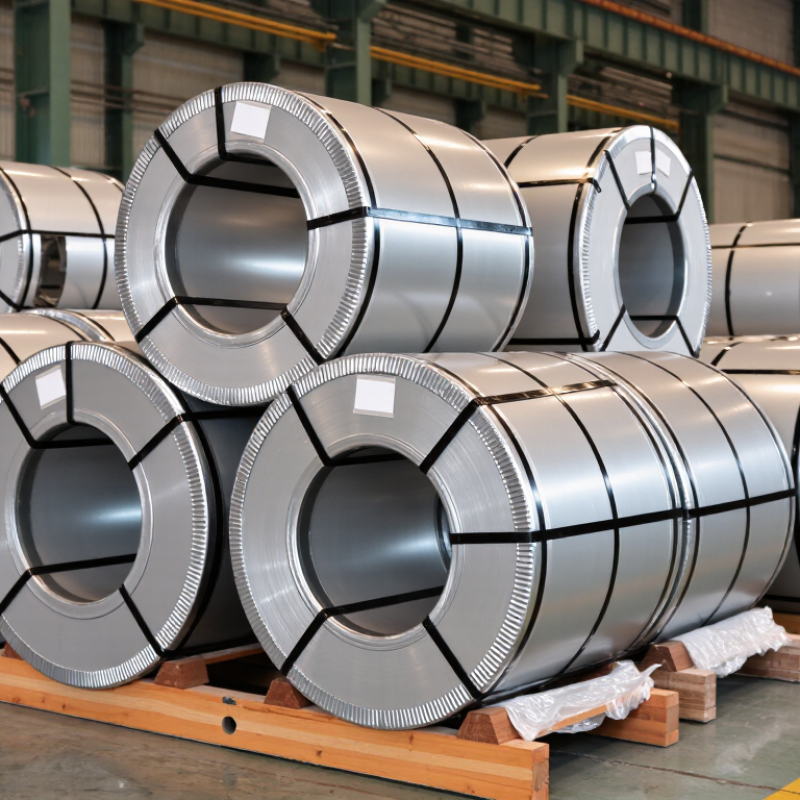
Galvalume steel coil is carbon steel coated with an aluminum-zinc alloy, usually containing about 55% aluminum and 43% zinc. A small amount of silicon supports coating stability during production. The coating protects the steel through two mechanisms. Aluminum forms a dense barrier, while zinc offers sacrificial protection near minor scratches. This combination gives the coil strong corrosion resistance, reflective surface quality, and better heat resistance than ordinary galvanized steel. It is commonly used for roofing panels, wall systems, ventilation parts, and industrial equipment.
Core features
include consistent coating thickness, controlled steel strength, clean surface appearance, and reliable forming performance.
In real sourcing work, I check coil width, thickness tolerance, coating mass, yield strength, and elongation before comparing prices. Edge quality also matters. Rough edges can create problems during slitting or roll forming.
Test certificates should identify chemical composition, mechanical properties, coating weight, and inspection methods. A low price may hide unstable dimensions or weak documentation.
Tips:
Confirm the required standard before requesting quotations. Ask for sample data, not only catalog values. Inspect surface marks, oiling condition, coil weight, and inner diameter. Match the coating grade to the climate and application. I would not assume every “55% aluminum-zinc” coil performs identically; processing control can vary between mills. Rechecking technical details feels slower, but it prevents costly surprises during production.
Key Specifications to Compare Before Global Sourcing
How to Choose Galvalume Steel Coil for Global Sourcing?
Global sourcing starts with measurable specifications, not attractive price sheets. ASTM A792/A792M defines aluminum-zinc alloy-coated steel sheet, while EN 10346 supports European supply requirements. Confirm the coating designation, such as AZ150, meaning 150 g/m² across both surfaces. Check base-metal thickness separately. A 0.50 mm coil with a 0.50 mm nominal claim may not deliver that thickness after coating.
Compare yield strength, tensile strength, elongation, width tolerance, flatness, coil weight, and inner diameter. Surface quality also matters. Ask for regular spangle, minimized spangle, or skin-passed finish. For painted roofing, request paint-adhesion and forming data. Salt-spray hours can mislead. Real exposure depends on edges, cut surfaces, humidity, and pollutants. I once treated AZ150 as a complete durability answer. It was not. The World Steel Association reported about 1.89 billion tonnes of crude steel production in 2023, showing the scale of global supply. However, the OECD’s December 2024 steel report warned about persistent excess capacity and trade pressure. Low prices may hide inconsistent quality.
Tips: Request a recent mill test certificate, coating-mass test, and third-party inspection. Match the certificate’s heat number with the coil label. Confirm whether tolerances follow ASTM, EN, or another agreed standard. Specify packaging for sea transport, including moisture protection and coil orientation. Also check certificates of origin, loading photos, and claims procedures. These details feel minor until rust appears at the slit edge.
How to Evaluate Suppliers, Certifications, and Production Quality
Choosing galvalume steel coil for global sourcing requires more than comparing prices. Supplier capability matters. Request a factory profile, production capacity, export experience, and recent customer references. A reliable supplier should explain coating type, base steel grade, thickness tolerance, width tolerance, and packaging methods clearly. Vague answers deserve attention.
Check certifications against your required market and application. Common documents include ISO 9001, mill test certificates, and compliance reports based on ASTM, EN, or JIS standards. Verify the certificate scope, issuing body, date, and product details. A certificate can be genuine yet insufficient. It may not cover the exact coil grade or coating mass you need.
Production quality becomes visible through records and samples. Ask for the heat number, coil number, chemical composition, yield strength, tensile strength, elongation, and coating weight. Inspect trial coils for edge damage, dents, oil stains, uneven spangles, and poor winding. Measure thickness at several points, not only at the center. Traceability should connect the finished coil to its raw material and inspection report. I have seen attractive samples hide weak control during mass production. This is why a pre-shipment inspection remains valuable. However, inspections also have limits. They cannot replace a careful supplier audit or clear purchase specifications. Include packaging photos, loading procedures, claim handling, and replacement terms in writing. Small omissions often become expensive problems.
How to Choose Galvalume Steel Coil for Global Sourcing?
Recommended supplier-evaluation weighting based on certification review, product standards, traceability, and production quality.
Use the weighting as a sourcing framework rather than a supplier ranking. Confirm that the coil complies with the applicable product specification, such as ASTM A792/A792M or EN 10346, and request ISO 9001 evidence, EN 10204 3.1 inspection documents, coating-mass results, dimensional records, and heat or coil traceability before approval.
Shipping, Customs, and Cost Factors in International Purchasing
Choosing a galvalume steel coil for global sourcing involves more than comparing the mill price. The landed cost includes ocean freight, insurance, import duty, taxes, port handling, and inland delivery. Request a quotation with the Incoterm clearly stated. A low-cost FOB offer can become expensive after destination charges.
Shipping conditions deserve close attention. Galvalume coils should be protected from seawater, rain, and condensation during transit. Use moisture-resistant packaging and confirm the loading method before booking space. Check the coil weight against container limits. One overweight shipment may create repacking charges, delays, or extra handling. Small details matter.
Customs documents must match the cargo precisely. Commercial invoices, packing lists, certificates of origin, material certificates, and inspection reports should use consistent descriptions. Confirm the applicable HS classification with a qualified customs professional before shipment. Duty rates can differ by product specification, coating mass, width, or origin. Requirements also change. Do not rely on an old quotation. Ask whether anti-dumping measures, safeguard duties, or local standards apply to your shipment.
For cost control, compare at least two freight routes and calculate the full delivered cost per metric ton. Include currency movement and possible demurrage. A realistic budget should include a contingency, perhaps five to ten percent, depending on route stability. My own purchasing reviews have shown that the cheapest freight option is not always the safest. A delayed coil can disrupt production more than a higher freight bill. Check the numbers twice.
How to Select the Right Galvalume Steel Coil for Your Project
Selecting the right Galvalume steel coil starts with the project environment, not the lowest quotation.
ASTM A792 defines Galvalume sheet as steel coated with an aluminum-zinc alloy, commonly containing about 55% aluminum, 43.4% zinc, and 1.6% silicon by weight. This coating supports strong atmospheric corrosion resistance, but coastal salt, standing water, and alkaline concrete can still shorten service life. Choose the coating mass under the applicable standard, such as ASTM A792 or EN 10346, and request independent test certificates.
Check the full specification. Confirm base-metal thickness, width tolerance, yield strength, elongation, surface finish, and coil weight before purchase. A roofing profile may need different forming performance than a wall panel or automotive component. The World Steel Association reported global crude steel production of approximately 1.89 billion tonnes in 2023, showing the scale of supply, but scale does not guarantee consistent quality. Audit the mill’s process controls, sample recent coils, and verify chemical and mechanical results against the purchase order.
Small details matter. Inspect edge damage, oil marks, telescoping, and wet-storage staining. Ask how coils are wrapped for ocean transport. I have seen buyers specify coating mass carefully, then overlook unloading equipment and storage ventilation. That mistake is expensive. Do not assume a thicker coil always performs better; excessive weight can complicate forming and handling. A practical choice balances exposure, fabrication, service life, and verified documentation. Recheck the decision after a trial run. Supplier data can be incomplete.