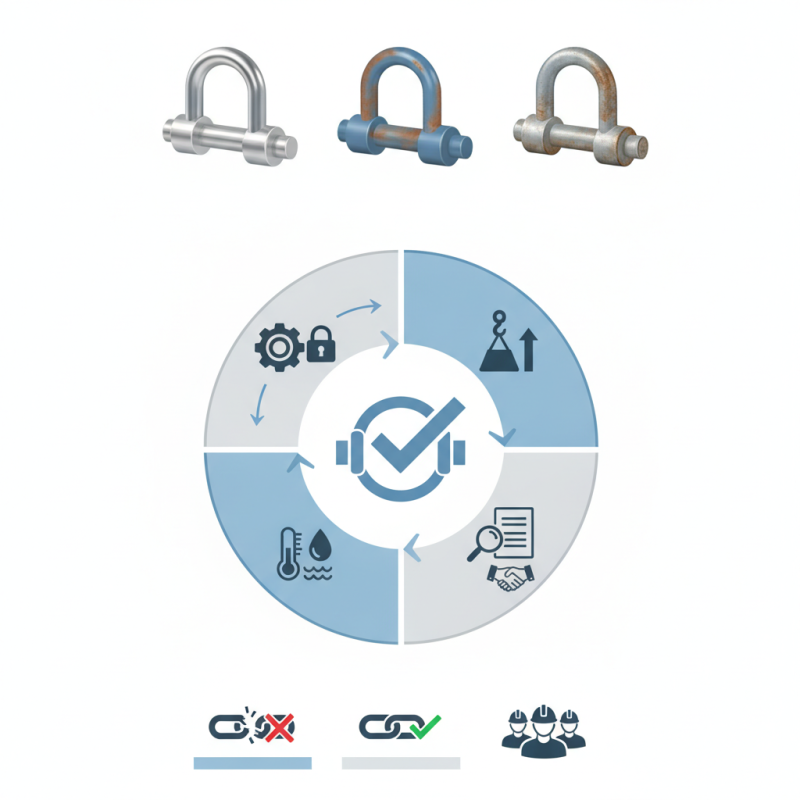
Why Choose the Right Shackle Pin Bracket for Your Needs?
Choosing the right Shackle Pin Bracket is crucial for any lifting or rigging application. A well-suited bracket enhances safety and efficiency. Selecting the wrong type can lead to equipment failure. This choice requires careful consideration of material, load capacity, and environmental factors.
Experience shows that not all brackets are created equal. Some may rust or wear out quickly. Others simply fail to meet load requirements. Researching each bracket’s specifications is vital. Make sure you know your requirements. The wrong choice may pose risks to personnel and equipment.
Understanding the nuances of different Shackle Pin Bracket designs can help you avoid pitfalls. Always consider where and how you will use it. This will ensure that you select a reliable and durable option. Trust in documented performance claims and user reviews. Your choice can make a difference in operational success and safety.
Understanding the Functionality of Shackle Pin Brackets
Shackle pin brackets play a crucial role in various applications, particularly in the automotive and transportation industries. These components secure the connections between different parts, ensuring stability and safety. According to the Global Automotive Components and Systems Market report, the demand for durable and reliable shackle pin brackets, expected to grow by 5% annually, highlights the importance of quality in these components.
Understanding the functionality of shackle pin brackets involves recognizing their load-bearing capabilities. They are designed to endure heavy loads and harsh conditions. Rigorous testing and standards, such as ASTM and SAE, dictate their performance. An independent study from the Institute of Mechanical Engineers found that incorrectly matched brackets and pins can lead to structural failures in up to 30% of cases, stressing the need for careful selection.
Experience shows that professionals often overlook the material composition of shackle pin brackets, which can significantly impact performance. Many materials, like high-grade alloys, can enhance strength while reducing weight. However, the right choice requires not just technical data but also practical knowledge. Reflecting on incidents can reveal gaps in understanding the critical nature of alignment and fitment. Ensuring a proper match between the shackle pin and bracket is essential for optimal performance and safety.
Types of Shackle Pin Brackets and Their Applications
Choosing the right shackle pin bracket may seem simple, but it’s crucial for safety and efficiency. Various types exist, each designed for specific applications. Understanding their differences can significantly impact functionality. For instance, fixed brackets are often used in industrial settings. They provide stability and strength, ideal for heavy loads.
Adjustable brackets offer flexibility. These are great for projects with varying requirements. They allow users to modify the setup without changing hardware. However, ensuring the integrity of the adjustment mechanism is essential.
Composite materials are gaining popularity in certain applications. They offer corrosion resistance and lighter weight. Yet, they may not withstand extreme conditions as metal counterparts. Keeping these factors in mind helps avoid costly mistakes. Each option has its pros and cons, highlighting the importance of careful selection.
Key Factors to Consider When Selecting a Shackle Pin Bracket
Choosing the right shackle pin bracket can significantly impact performance. When assessing options, consider the material used. Certain materials provide better durability under stressful conditions. For example, stainless steel offers corrosion resistance, while aluminum is lightweight. Each material has strengths and drawbacks. Evaluate your specific needs to make a sound choice.
Another key factor is the load capacity. Brackets come with different ratings. Overloading a bracket can lead to failures, causing accidents and damaging equipment. It’s essential to ensure your selection matches your operational demands. Understand the weight and stress levels that will be involved in your tasks.
Compatibility with existing equipment is equally important. Not all brackets fit every shackle. Measurements and design play critical roles in ensuring a proper fit. If unsure, seek expert advice. An incorrectly chosen bracket can lead to inefficiencies. Avoid oversight in this area; it could result in costly mistakes. Take time to review all factors carefully. The stakes are high in this choice.
Why Choose the Right Shackle Pin Bracket for Your Needs? - Key Factors to Consider When Selecting a Shackle Pin Bracket
| Factor | Description | Importance | Recommended Materials |
| Load Capacity | The maximum load a shackle pin bracket can sustain without failure. | Critical | Steel, Aluminum |
| Corrosion Resistance | The ability to withstand environmental damage and corrosion over time. | High | Marine-grade Stainless Steel, Coated Steel |
| Ease of Installation | How straightforward it is to mount the bracket in various applications. | Moderate | Aluminum, Composite Materials |
| Weight | The relative heaviness of the shackle pin bracket, influencing portability. | Low | Titanium, Aluminum |
| Compatibility | The range of applications or systems with which the bracket can be used. | High | Universal materials (Steel, Aluminum) |
Common Materials Used in Shackle Pin Bracket Manufacturing
When selecting a shackle pin bracket, the choice of material is critical. Common materials include steel, stainless steel, and aluminum, each offering unique benefits. Steel brackets provide high strength and durability. According to industry reports, steel can handle loads up to 50% more than other materials, making it a favored choice for heavy-duty applications.
Stainless steel is corrosion-resistant, ideal for marine environments or areas exposed to moisture. This material's inherent resistance extends its lifespan, ensuring safety and reliability. Some users overlook the need for quality standards in brackets, risking failure in demanding situations.
Aluminum is lightweight and offers excellent strength-to-weight ratios. While it might seem less robust than steel, it can perform adequately in many applications, particularly where weight savings are essential. It is worth reflecting on specific use needs, as not every setting benefits from the lightest option.
Tip: Always check the load capacity ratings for the specific material. Don’t assume all brackets of the same type are equal. Regularly inspect your equipment to identify wear and potential failure points, especially in high-stress environments.
Common Materials Used in Shackle Pin Bracket Manufacturing
Benefits of Choosing the Right Shackle Pin Bracket for Your Needs
Selecting the right shackle pin bracket is crucial for ensuring safety and reliability in various applications. Research indicates that improper choices can lead to failures, resulting in accidents or costly downtime. According to industry reports, approximately 20% of equipment failure is attributed to substandard components. This statistic underscores the importance of making informed decisions.
The benefits of choosing the correct shackle pin bracket extend beyond mere functionality. Accurate selection can enhance equipment life, reducing the frequency of replacements. A study by a leading engineering association noted that using appropriate brackets can improve performance by up to 30%. This improvement translates to better operational efficiency in industries where precision and reliability are non-negotiable.
However, selecting the right component is not always straightforward. Some users might overlook critical specifications, leading to mismatches that compromise safety. Engaging with technical experts can help in making informed decisions. Ensuring reliability requires reflection on past choices. When users prioritize quality over cost, they might find that investing initially saves money in the long run. This reflects a more profound understanding of equipment longevity and safety.