What Is a CNC Turning Machine Parts Supplier?
What Is a Cnc Turning Machine Parts Supplier?
A Cnc Turning Machine Parts supplier produces or sources precision components made on computer-controlled turning machines. These parts may include shafts, bushings, threaded fittings, pins, sleeves, and custom couplings. The supplier translates a technical drawing into a repeatable manufacturing process. That work includes material selection, tool planning, turning parameters, inspection, and delivery control.
Yusuf Altintas, a leading machining researcher and author of Manufacturing Automation, has stated, “The objective of machining is to produce accurate parts efficiently and reliably.” This principle explains the supplier’s real responsibility. A capable supplier does not only operate a lathe. It checks tolerances with micrometers, verifies surface finish, and records material certificates. Small details matter. A 0.02-millimeter error can affect an assembly, especially around a bearing seat or threaded connection.
Reliable Cnc Turning Machine Parts suppliers also understand production risk. They ask about batch size, heat treatment, coating, inspection reports, and packaging requirements. They may support prototypes before larger production runs. That practical feedback can prevent expensive redesigns. However, no supplier is perfect. A polished website does not prove technical capability. Buyers should review samples, inspection methods, machine capacity, and communication habits. Delivery promises can also change when material availability shifts. This is where experience becomes visible. The best supplier explains limitations clearly, documents decisions, and improves the process when something goes wrong. A supplier is more than a parts vendor. It is a manufacturing partner, although that label must be earned.
Definition and Role of a CNC Turning Machine Parts Supplier
What Is a CNC Turning Machine Parts Supplier?
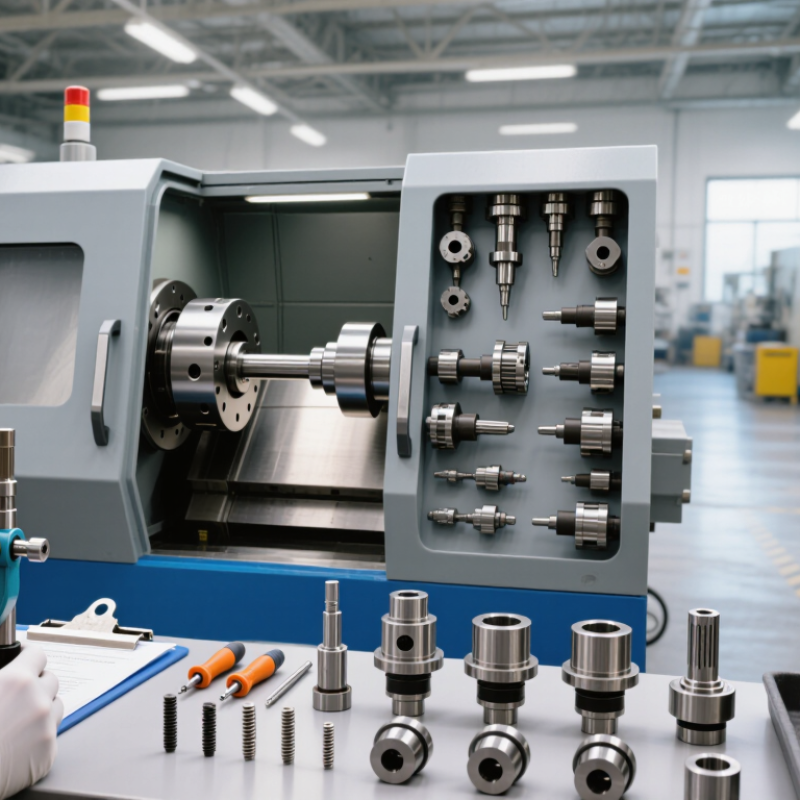
A CNC turning machine parts supplier provides the components needed to operate, repair, or maintain turning equipment. These parts may include chucks, collets, tool holders, guide bushes, inserts, seals, and replacement screws. The supplier’s role extends beyond shipping products. It involves understanding machine specifications, material requirements, dimensional tolerances, and production conditions.
In practical workshops, a reliable supplier helps reduce downtime. Staff may send drawings, worn samples, or machine details for evaluation. The supplier should confirm dimensions, material grades, surface finishes, and compatibility before production. Inspection records and traceability also support consistent quality. However, no supplier is perfect. Misread drawings, unclear measurements, or rushed approvals can still cause delays. Good communication prevents many of these problems.
Tips: Share complete machine information before ordering. Confirm critical dimensions in writing. Ask for inspection reports when tolerances are tight. Keep photos of worn parts for comparison. A useful supplier will explain limitations clearly, not promise everything. Consider lead time, packaging, and technical support, rather than price alone. Tiny details matter. Even a small mismatch can create vibration, poor accuracy, or premature wear.
What Is a CNC Turning Machine Parts Supplier?
A CNC turning machine parts supplier converts technical drawings into precision components by selecting materials, programming turning operations, managing tooling, and verifying dimensional quality. The chart shows the general linear tolerances for ISO 2768-1 tolerance class “m,” a common reference when a drawing does not specify individual tolerances.
Reference: ISO 2768-1, General tolerances for linear and angular dimensions, tolerance class m. Individual part drawings and customer specifications take precedence.
Types of Parts and Materials Supplied for CNC Turning Machines
What Is a CNC Turning Machine Parts Supplier?
A CNC turning machine parts supplier produces or sources components for rotating workpieces. Common parts include shafts, bushings, collars, spacers, threaded fittings, and precision pins. Each part may require different tolerances, threads, grooves, or surface finishes. A 2024 CNC machine market report by Fortune Business Insights valued the global market above USD 80 billion in 2023. That scale reflects rising demand for dependable machining support, not simply more machines.
Materials determine performance. Aluminum 6061 suits lightweight housings and brackets, while 7075 offers higher strength. Stainless steel 304 resists general corrosion; 316 performs better around saltwater and chemicals. Carbon steel supports shafts and structural parts, but it usually needs coating or controlled storage. Brass is useful for fittings and electrical components. Titanium handles demanding strength-to-weight requirements, although machining costs rise. Engineering plastics, including POM and nylon, reduce weight and friction.
An experienced supplier should provide material certificates, dimensional inspection records, and clear revision control. ISO 9001 certification can support consistent processes, but it cannot replace actual inspection data. For critical parts, buyers may request CMM reports, hardness results, and EN 10204 3.1 documentation. Surface roughness matters too. A polished sample can hide weak process control. I would check batch traceability, tool-wear management, and packaging protection before approving production.
No supplier is perfect. Even a well-prepared drawing may miss a real assembly problem. Testing one pilot batch remains a sensible safeguard.
How Suppliers Support CNC Turning Machine Production
A CNC turning machine parts supplier provides the components that keep turning equipment accurate, stable, and productive. These parts may include chucks, collets, tool holders, guide bushings, bearings, drive belts, sensors, and coolant-related fittings. Their role extends beyond shipping replacement items. Experienced suppliers study machine drawings, operating loads, material types, and tolerance requirements before recommending a part.
Production support often begins with technical communication. A supplier may check spindle speed, shaft diameter, thread details, and mounting dimensions. This prevents a small mismatch from causing vibration or premature wear. For example, an incorrectly sized collet can leave visible marks on a finished shaft. A suitable bearing can reduce heat during long production cycles. Clear inspection reports, material certificates, and dimensional records also help manufacturers trace quality problems.
Reliable suppliers maintain practical inventories for frequently used components. They also provide replacement guidance when an original part is unavailable or outdated. Good packaging matters. A sealed bearing should not arrive with dust inside. Technical support can include installation notes, lubrication intervals, and failure analysis based on photographs or measured wear. Still, no supplier gets every forecast right. Delivery delays and incomplete drawings can affect production. This is where honest communication matters more than confident promises. A supplier should identify uncertainty early, verify critical dimensions, and improve its process after each mistake.