2026 How to Choose the Right Axial Bearing for Your Needs?
Choosing the right axial bearing for your needs can be challenging. An axial bearing supports loads parallel to its shaft. It ensures smooth rotation in machines like motors and gearboxes. Selecting the appropriate type is crucial for optimal performance.
Consider the specific application when making a choice. Different axial bearings offer varying load capacities and designs. Some are better for high speeds, while others excel at handling heavy loads. This decision can impact machine efficiency and longevity.
It's also important to assess the materials used in axial bearings. The right material can enhance durability and reduce wear over time. If the bearing does not fit your requirements, it may lead to premature failure. Therefore, careful consideration and expert advice are vital. Make sure to research thoroughly before making your choice.
Understanding Axial Bearings: Definition and Applications
Axial bearings play a critical role in various machinery applications. They are designed to support axial loads, which are forces that act along the axis of the shaft. These bearings enable smooth rotation and help maintain alignment within mechanical systems. The right axial bearing can significantly enhance performance, extend machinery life, and reduce maintenance costs.
Different types of axial bearings exist, each suited for specific tasks. Thrust ball bearings, for instance, are ideal for low-speed applications with moderate loads. Spherical roller thrust bearings can accommodate higher loads and misalignments but may require precise installation. Selecting the wrong type can lead to premature wear and potential failures. Understanding your specific needs, such as load capacity and speed requirements, is essential for making the best choice.
Many people overlook the importance of precision in bearing selection. Small imperfections or mismatched sizes can cause inefficiency. Observing clearances and tolerances ensures optimal functioning. Moreover, the environment can affect performance. Factors like temperature, humidity, and contaminants should be considered. Each decision matters, and thorough analysis often uncovers hidden challenges.
Types of Axial Bearings: Key Categories and Their Characteristics
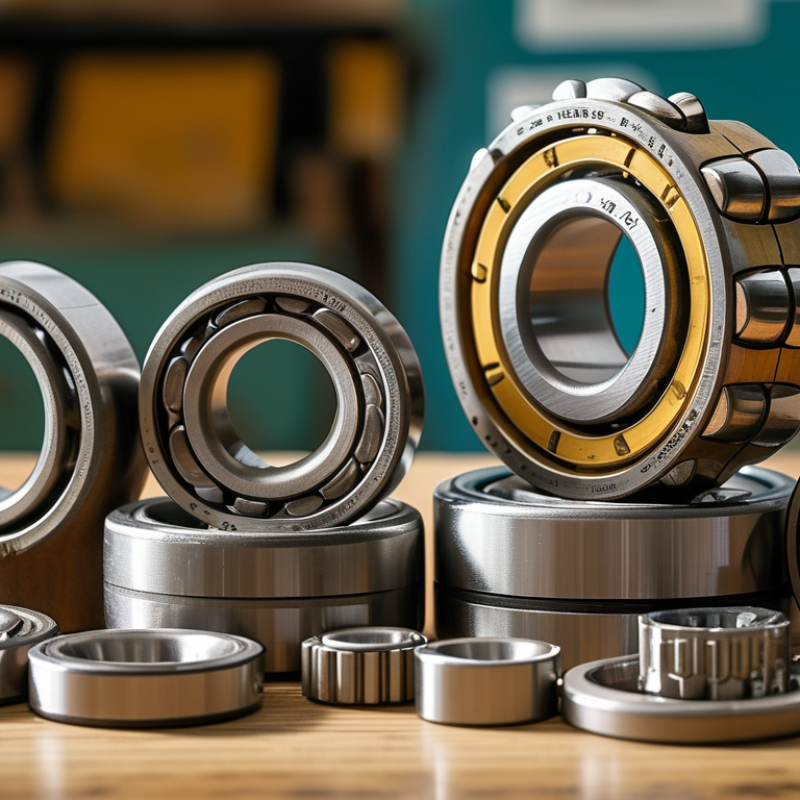
When selecting axial bearings, understanding their types is crucial. There are several key categories, each serving specific needs. Thrust ball bearings support axial loads in one direction. They consist of balls "sandwiched" between two rings. This design ensures an even distribution of load, making them reliable in many applications. However, they may struggle under heavy loads or high speeds.
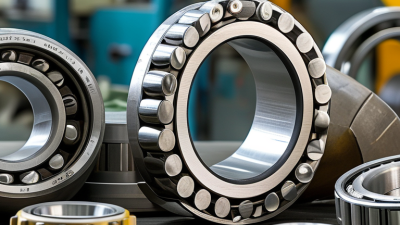
Another category is thrust roller bearings, which offer better load capacity. They feature cylindrical rollers instead of balls. This design allows for greater contact area, leading to improved durability. Yet, their installation can be more complex. They require precise alignment for optimal performance, which can pose challenges.
Lastly, there are flat thrust bearings. These are simple in design and consist of flat washers. Their performance is efficient for light to moderate axial loads. However, they lack the capability for high load scenarios. Choosing the right type hinges on understanding your specific requirements. Each category comes with its advantages and disadvantages that need careful consideration.
Factors to Consider When Selecting an Axial Bearing
When selecting an axial bearing, several factors come into play. The load capacity is crucial. You need to evaluate whether the bearing can handle your application's specific forces. Understanding the operating conditions, such as temperature and environment, is essential as well. High temperatures can reduce lifespan. Hence, selecting materials that resist wear is vital for durability.
Another aspect to consider is the size of the bearing. The fit must be precise to avoid issues during operation. An oversized bearing may lead to poor performance, while an undersized one can wear out quickly. Aligning the bearing with your system’s requirements is key. There’s often a trade-off between cost and performance. Finding the right balance requires some trial and error.
Bearings come in various designs, each suited for unique applications. Plain bearings may be simpler but less efficient in heavy loads. Roller bearings offer less friction under heavy loads. Reflecting on your specific needs can guide you to the best choice. Keep in mind that no solution is perfect. Adjustments may be necessary as you gather performance data.
2026 How to Choose the Right Axial Bearing for Your Needs?
| Factor |
Description |
Importance (Scale 1-5) |
Examples |
| Load Capacity |
The maximum load the bearing can handle without failing. |
5 |
Heavy machinery, automotive applications |
| Material |
The composition of the bearing affects its durability and corrosion resistance. |
4 |
Stainless steel, bronze, plastic |
| Speed Rating |
Maximum rotational speed the bearing can achieve safely. |
4 |
Electric motors, turbines |
| Size & Dimensions |
The physical dimensions of the bearing, including inner and outer diameters. |
5 |
Custom machinery designs |
| Lubrication Type |
Type of lubrication used can affect performance and lifespan. |
3 |
Grease, oil, self-lubricating |
Material Choices for Axial Bearings: Impact on Performance and Durability
When selecting axial bearings for your application, material choice significantly impacts both performance and durability. Metals such as stainless steel and carbon steel are commonly used due to their strength and resistance to deformation. According to a report by the American Bearing Manufacturers Association, components made from stainless steel can last up to 40% longer in corrosive environments than those made from standard carbon steel. This longevity leads to reduced maintenance costs and fewer downtime instances.
In addition to metals, composite materials are becoming popular. They offer lighter weight options without sacrificing strength. A study published in the Journal of Materials Science indicated that composite axial bearings could enhance performance by providing lower friction coefficients, significantly improving energy efficiency. However, these materials may not withstand extreme temperatures as effectively as traditional metals. Balancing the advantages of material selection with expected operating conditions is essential for optimal outcomes.
Choosing the right material requires careful consideration. Overlooking specific application demands can lead to premature failure. For instance, opting for a lightweight composite in a high-load situation could result in cracked or deformed bearings. Understanding performance expectations and environmental factors will guide you to select the most suitable axial bearing material.
Material Choices for Axial Bearings: Impact on Performance and Durability
Installation and Maintenance Tips for Optimal Axial Bearing Function
When it comes to ensuring optimal performance of axial bearings, proper installation and maintenance are crucial. Start by carefully inspecting the bearing and its components for any signs of wear or damage. Proper alignment during installation is key; misalignment can lead to premature failure. Tightening the bearing correctly prevents unwanted movement.
Regular maintenance is essential for long-lasting performance. Keep an eye on lubrication levels. Insufficient lubrication can cause increased friction and heat, negatively affecting functionality. Periodically check for contaminants that may compromise the bearing's operation. Clean the surrounding areas and replace lubricants as recommended.
Feedback from users sometimes highlights the need for more attention to the subtle signs of wear. Noticing a slight vibration or unusual noise can be easy to overlook. Addressing these issues promptly helps prevent more significant problems down the line. Consider establishing a maintenance schedule to catch potential issues early. Adopting a proactive approach is often more advantageous than reactive measures.