What Is a Hydril Dampener and How Does It Work?
A Hydril Dampener is a pressure-control device used in drilling and industrial fluid systems. It helps reduce pressure pulses created by reciprocating pumps. Without effective damping, the discharge line may shake, gauges may fluctuate, and fittings can suffer repeated stress.
Inside the housing, a gas-charged bladder or diaphragm separates compressible gas from the pumped fluid. As the pump stroke raises pressure, the dampener absorbs part of the surge. When pressure falls, stored energy returns to the fluid stream. The result is a steadier flow. It is not perfect, though.
The exact design depends on the Hydril model, working pressure, fluid type, and installation position. Technicians should confirm specifications through the manufacturer’s manual and equipment records. Precharge pressure matters. So does inspection.
During a field check, an experienced technician may notice unusual vibration, a rapidly moving discharge gauge, or a faint leak near a connection. These details can indicate incorrect precharge, diaphragm damage, valve problems, or poor mounting. They should not be treated as proof of one fault. Further testing is necessary.
Safe maintenance requires isolation, pressure release, and suitable protective equipment. Never assume the vessel is empty because the pump has stopped. Trapped pressure can remain dangerous. This article explains the working principle, main components, inspection points, and common service concerns surrounding a Hydril Dampener. It also considers practical limitations, because real systems rarely behave exactly like textbook diagrams.
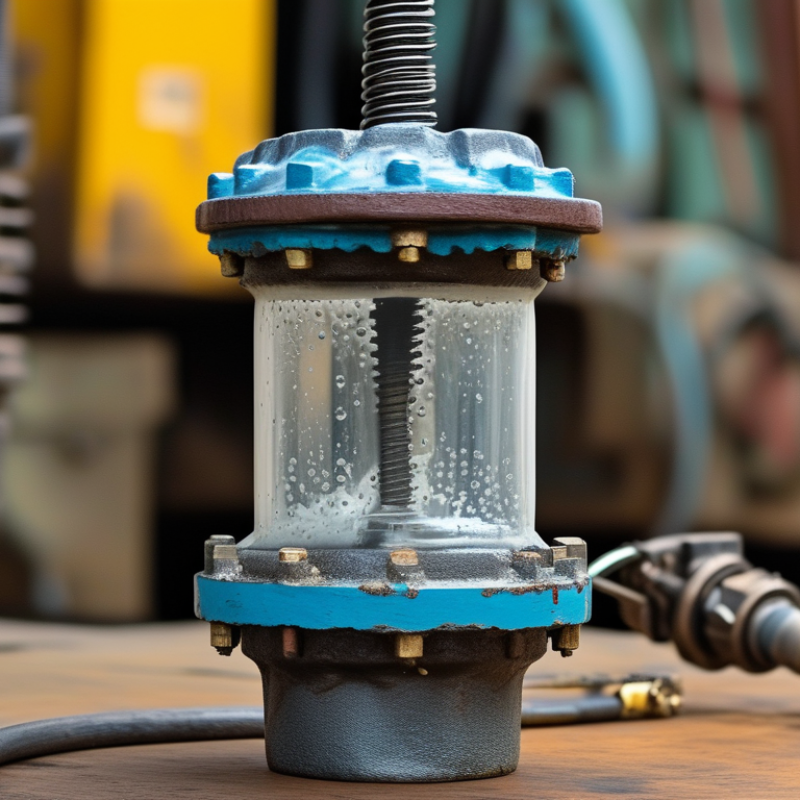
Hydril Dampener: Definition and Purpose
What Is a Hydril Dampener and How Does It Work?
A Hydril dampener is a pressure-control device used in drilling fluid systems. Its main purpose is to reduce pressure pulsations from a reciprocating mud pump. These pumps deliver fluid in repeated strokes, so discharge pressure naturally rises and falls. The dampener cushions these fluctuations before they reach the flow line.
Inside the chamber, a precharged gas section works against the incoming fluid pressure. When the pump stroke creates a pressure spike, the gas compresses and absorbs part of the energy. As pressure drops, the gas expands and supports a steadier flow. This action can reduce vibration, protect valves and instruments, and improve the accuracy of pressure readings. In field inspections, technicians often check the gas charge, diaphragm condition, and connection points. Small leaks matter.
A dampener is not a cure for every pressure problem. Incorrect sizing or charging can make performance worse. That detail is sometimes overlooked.
Tips: Verify the pressure rating before installation. Follow the equipment manual for precharge procedures. Inspect for cracks, corrosion, and unusual vibration during routine maintenance. Never assume a quiet line means perfect operation; internal wear may remain hidden. Recording pressure behavior over time can reveal gradual deterioration.
What Is a Hydril Dampener and How Does It Work?
Representative discharge-pressure profile of a reciprocating pump operating at a 100 bar mean pressure
A Hydril dampener is a gas-charged pulsation device installed in a reciprocating pump system. Its flexible bladder or diaphragm separates compressed gas from the process fluid. The gas absorbs pressure spikes during the discharge stroke and releases stored energy during low-flow periods, reducing pulsation, vibration, and stress in downstream equipment.
Main Components and Internal Structure
A Hydril dampener is a pressure-control device used with reciprocating pumps. Its internal structure reduces pulsation before pressure reaches the discharge line. The main body is a strong metal chamber with an inlet or outlet connection. Inside, a flexible bladder or diaphragm separates process fluid from compressed gas. This separation is essential. It prevents the gas from mixing with the pumped fluid.
During a pump stroke, pressure rises inside the fluid chamber. The bladder moves against the gas cushion, storing part of that sudden energy. When pressure falls, the compressed gas pushes the bladder back. This action releases energy and smooths the flow. Some designs also include a precharge valve, inspection cover, pressure gauge, and replaceable seals. Each part needs correct alignment. A small seal problem can create a large pressure loss.
Tips: Check the precharge pressure when the system is isolated and safe. Inspect the bladder for swelling, cracks, or chemical damage. Do not assume a quiet pump is healthy. Vibration may remain hidden inside the discharge pipe. I have found that temperature changes can alter gas pressure more than expected. For this reason, technicians should record pressure, fluid temperature, and operating conditions during inspection. Manufacturer data and site measurements should guide every adjustment. Certain designs vary internally, so a general diagram may not explain every failure.
How a Hydril Dampener Controls Pressure Pulses
A drilling-fluid pulsation dampener controls pressure pulses produced by positive-displacement pumps. These pumps move fluid in repeated strokes, so discharge pressure naturally rises and falls. Without control, the pulses can shake pipes, damage gauges, and reduce drilling efficiency.
Inside the dampener, a sealed gas chamber works against the fluid pressure. When a pump stroke creates a pressure spike, the gas compresses and absorbs part of that energy. During a pressure drop, the gas expands and pushes fluid back into the discharge line. This action smooths the flow and protects connected equipment. The result is steadier pressure at the manifold and fewer harmful vibrations. It is not perfect, though. Incorrect precharge pressure or a worn diaphragm can make the system respond poorly.
Tips: Check the precharge before demanding operations, using the procedure specified for the equipment. Inspect the shell, valves, and connection points for leaks or corrosion. Watch the pressure gauge during several pump cycles. A sharp, repeated fluctuation may indicate poor sizing, gas loss, or internal damage. Never assume a quiet line is healthy; hidden wear can develop behind stable readings. Maintenance records should include operating pressure, fluid temperature, inspection dates, and any unusual vibration. Small details matter here.
Operating Process Under Changing Well Conditions
A Hydril dampener is a gas-charged pressure vessel installed near the mud pump discharge. Its purpose is simple: reduce pulsation before pressure reaches the standpipe, hose, and blowout-prevention equipment. The dampener uses compressed gas above a flexible diaphragm or piston. When the pump stroke raises pressure, the gas compresses. During the pressure drop, it expands and releases stored energy.
Changing well conditions make this process less predictable. Higher mud density increases discharge resistance. A smaller nozzle can create sharper pressure peaks. Choke adjustments also change the pressure wave within seconds. Field technicians should watch the standpipe gauge, pump strokes, gas precharge, and dampener temperature together. One reading can mislead.
The IADC Well Control Incident Statistics program treats pressure-control events as low-frequency, high-consequence risks. API RP 53 also emphasizes documented testing, maintenance, and pressure-control verification. These references support a practical rule: compare live readings with the equipment’s approved pressure envelope, not a generic target. A dampener may look stable while its diaphragm is weakening. It happens.
At the rig floor, an abnormal gauge needle may twitch after each pump stroke. That small movement deserves attention. Operators should check precharge only under approved isolation procedures. Mud properties, pump speed, and temperature must be recorded during troubleshooting. The uncomfortable point is that smooth pressure does not prove perfect protection. Calibration errors and worn components can hide inside normal-looking data.
Applications, Maintenance, and Safety Considerations
A hydril dampener is a pressure-control device used with reciprocating pumps. It reduces pulsations created when pistons move through each stroke. Inside the chamber, compressed gas cushions the drilling fluid or hydraulic flow. This action smooths pressure, reduces vibration, and protects connected equipment. The effect is noticeable near discharge lines, where pressure gauges may otherwise jump sharply.
These dampeners support drilling-fluid circulation, well-servicing pumps, and other high-pressure pumping systems. They can reduce stress on valves, pipes, seals, and instruments. In practice, technicians should check the precharge against the equipment manual and operating pressure. A reading that seems acceptable may still be wrong for the current fluid temperature or pump speed. Small leaks matter. Record pressure, temperature, unusual noise, and visible movement during each inspection.
Safety depends on isolation, depressurization, and disciplined maintenance. Never remove a cover or fitting while stored pressure remains inside. Lock out the pump, close the correct valves, and verify zero pressure with a suitable gauge. Inspect the shell for corrosion, cracks, damaged connections, and fluid leakage. Use only approved charging equipment and the specified inert gas. Do not guess the precharge value. Field notes can be incomplete, so confirm measurements before restarting. After maintenance, increase pressure gradually and watch for vibration, leakage, or unstable readings. Stop the system if anything feels abnormal.