What is a roller bearing and how does it work?
Roller bearings are essential components in many mechanical systems. They reduce friction between moving parts, allowing for smoother operations. These devices are crucial in various industries, from automotive to aerospace.
Understanding how roller bearings work can enhance performance and reliability. They consist of cylindrical rolling elements that distribute loads evenly. This design minimizes wear and tear, extending the lifespan of machinery. However, not all roller bearings are created equal. Choosing the right type is vital for specific applications.
Despite their advantages, roller bearings can have limitations. Overloading them may lead to premature failure. Regular maintenance is necessary to ensure they function optimally. A clear understanding of roller bearings helps prevent costly mistakes and improves overall system efficiency.
Definition of Roller Bearings: Understanding the Basics
Roller bearings are crucial components in various machinery.
They facilitate smooth movement by reducing friction between moving parts.
The basic principle is simple: they use cylindrical rollers
to support loads while minimizing wear.
Roller bearings can significantly enhance machine efficiency.
According to a report by MarketsandMarkets,
the global roller bearing market is expected to reach over $25 billion by 2025.
It's essential to understand the different types of roller bearings,
such as cylindrical, needle,
and tapered. Each type serves specific functions based on design constraints and load requirements.
The choice of bearing impacts performance and longevity.
While roller bearings are widely used, selecting the right one can be challenging.
Factors like load capacity, speed,
and environmental conditions must be considered.
Misjudgment in these areas can lead to overheating
and premature failure. Regular maintenance and monitoring are vital for extending their lifespan.
Understanding these details can help in making informed decisions in industry applications.
Components of a Roller Bearing: Inner and Outer Rings, Rollers
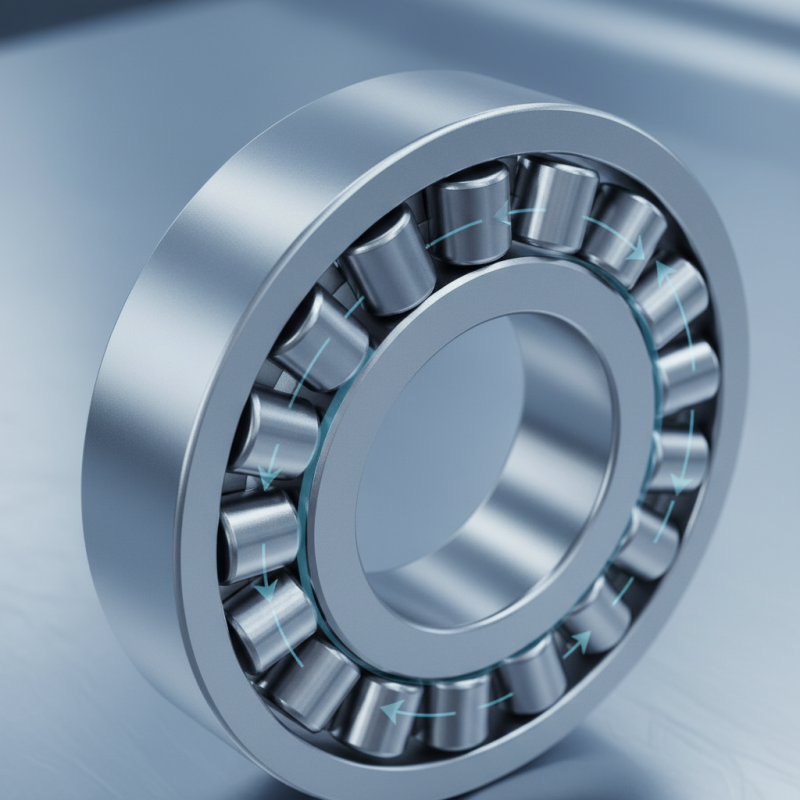
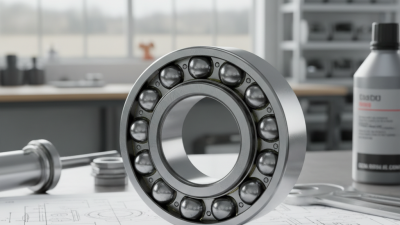
Roller bearings are essential components in various mechanical systems, providing support and reducing friction. The primary parts include the inner ring, outer ring, and rollers. The inner and outer rings are typically made of steel, ensuring durability and longevity. According to the International Organization for Standardization (ISO), roller bearings can enhance machine efficiency by reducing energy consumption by up to 30%.
The inner ring fits snugly on the rotating shaft, while the outer ring remains stationary. The rollers are positioned between these two rings and play a crucial role in load distribution. They facilitate smooth movement and minimize wear. In many industries, including automotive and manufacturing, these components are vital for machinery reliability. It's important to note that poor alignment can lead to premature bearing failure, emphasizing the need for precise installation.
Roller bearings come in various designs, including cylindrical and tapered configurations, catering to specific loads and applications. A 2021 report from the Bearing Manufacturer Association indicated that over 50% of bearing failures stemmed from improper lubrication and contamination. Regular maintenance checks are crucial in prolonging the lifespan of roller bearings. Understanding their components can help engineers make informed decisions, ensuring optimal performance in applications.
How Roller Bearings Reduce Friction: The Mechanics Explained
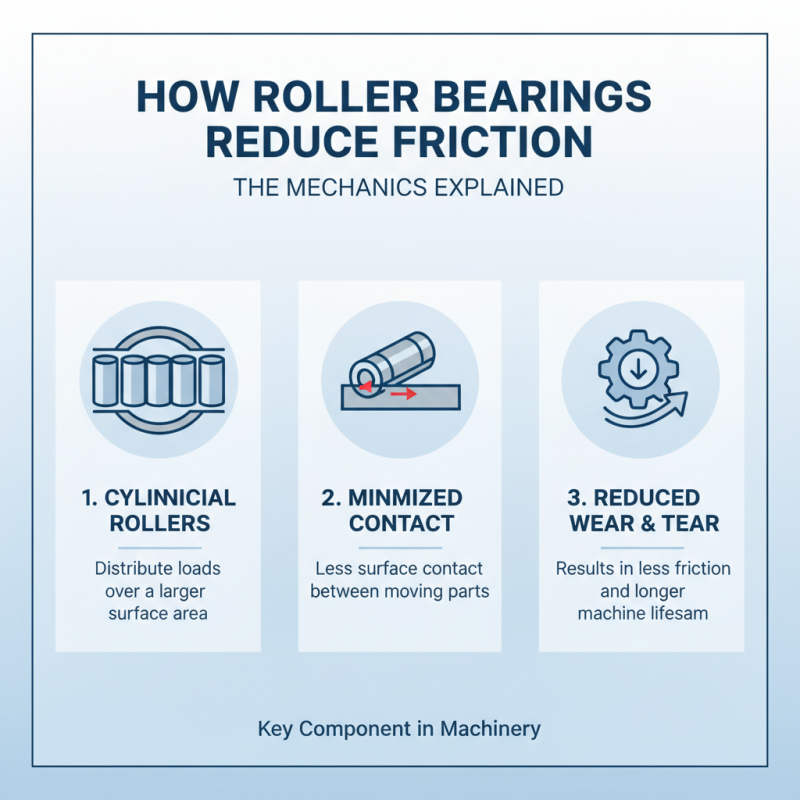
Roller bearings are critical components that reduce friction in machinery. Their design involves cylindrical rollers that distribute loads over a larger surface area. This design minimizes surface contact between moving parts. The result is reduced friction, leading to less wear and tear.
A study by the American Bearing Manufacturers Association shows that effective roller bearings can decrease friction by up to 80%. This significant reduction enhances machine efficiency. Additionally, lower friction means that motors and other components use less energy. In industrial applications, this reduction translates to cost savings and improved performance.
However, roller bearings are not without challenges. Environmental factors can influence their effectiveness. For example, contamination from dust or moisture can lead to premature failure. Regular maintenance is necessary to mitigate such risks. Furthermore, the selection of the right bearing type for each application requires specialized knowledge. Understanding load requirements and operating conditions is essential for optimal performance.
Types of Roller Bearings: Spherical, Cylindrical, and More
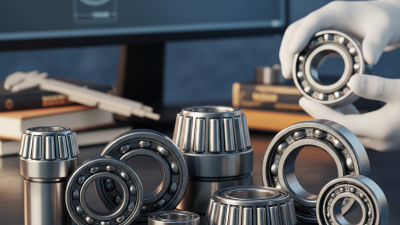
Roller bearings are essential components in various machinery. They reduce friction between moving parts, enhancing efficiency. There are several types of roller bearings, each designed for specific applications. Spherical roller bearings, cylindrical roller bearings, and needle roller bearings are the most common types.
Spherical roller bearings are known for their ability to accommodate misalignment. This feature makes them ideal for heavy-load applications in industries such as construction and mining. According to a recent market report, spherical roller bearings represent about 30% of the total roller bearing market, showing their importance and prevalence.
Cylindrical roller bearings are another popular type. They allow for high radial loads and are widely used in electric motors, gearboxes, and other machinery. These bearings can handle higher speeds than spherical bearings but may be more sensitive to misalignment. The global demand for cylindrical roller bearings is projected to grow at a CAGR of 5.2% from 2022 to 2030, emphasizing their increasing relevance in modern engineering.
Tip: When selecting roller bearings, consider the load conditions and potential misalignment in your application. Choosing the right type can significantly impact performance. Regular maintenance is crucial; worn bearings can lead to machinery failure. Keep an eye on wear patterns and replace bearings as needed.
Remember, not all bearings perform equally under pressure or varying temperatures. Testing methods may show discrepancies in their capabilities. Reflect on your equipment's needs and the specific environment it operates in.
Types of Roller Bearings and Their Applications
Applications of Roller Bearings: Where They Are Used in Industry
Roller bearings play a crucial role in various industries. They provide smooth, low-friction motion between moving parts. This is essential in applications ranging from machinery to transportation. For instance, in automotive manufacturing, roller bearings support the wheels and axles. Their ability to handle heavy loads improves vehicle efficiency and performance.
In industrial settings, roller bearings are commonly found in conveyor systems. They facilitate the movement of materials without much resistance. However, maintenance can be a challenge. Regular inspections are necessary to prevent wear and tear. Sometimes, operators neglect these checks, leading to unexpected breakdowns. Furthermore, improper installation of roller bearings can result in reduced performance levels.
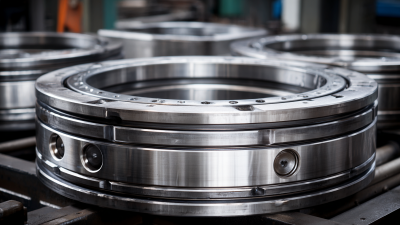
Heavy machinery also utilizes roller bearings extensively. They are essential in motors and turbines. Yet, despite their importance, not all applications utilize the correct type. Misalignment can lead to reduced lifespan and operational issues. It's vital for engineers to reassess their choices to ensure reliability. Making informed decisions can mitigate long-term risks in demanding environments.