10 Tips for Choosing Galvanized Corrugated Metal Panels?
When selecting Galvanized Corrugated Metal Panels, understanding their advantages is crucial. These panels are known for their durability and resilience, making them a preferred choice in various industries. According to a recent industry report, the global market for galvanized metal is projected to grow at a CAGR of 5.4% through 2026. This growth is driven by their effective resistance to corrosion and ease of installation.
The versatility of galvanized corrugated metal panels is noteworthy. They are commonly used in roofing, siding, and fencing applications. This popularity stems from their aesthetic appeal and functionality. However, potential buyers must consider various factors before making a decision. The thickness, coating type, and size of the panels can greatly influence performance. Knowledgeable professionals emphasize the importance of choosing the right specifications to optimize longevity and cost-effectiveness.
While galvanized corrugated metal panels have many benefits, it is essential to reflect on their limitations too. For instance, they can be prone to dents and may not provide the best insulation. It’s vital to weigh the pros and cons based on project requirements. Ultimately, informed choices lead to successful applications of galvanized corrugated metal panels.
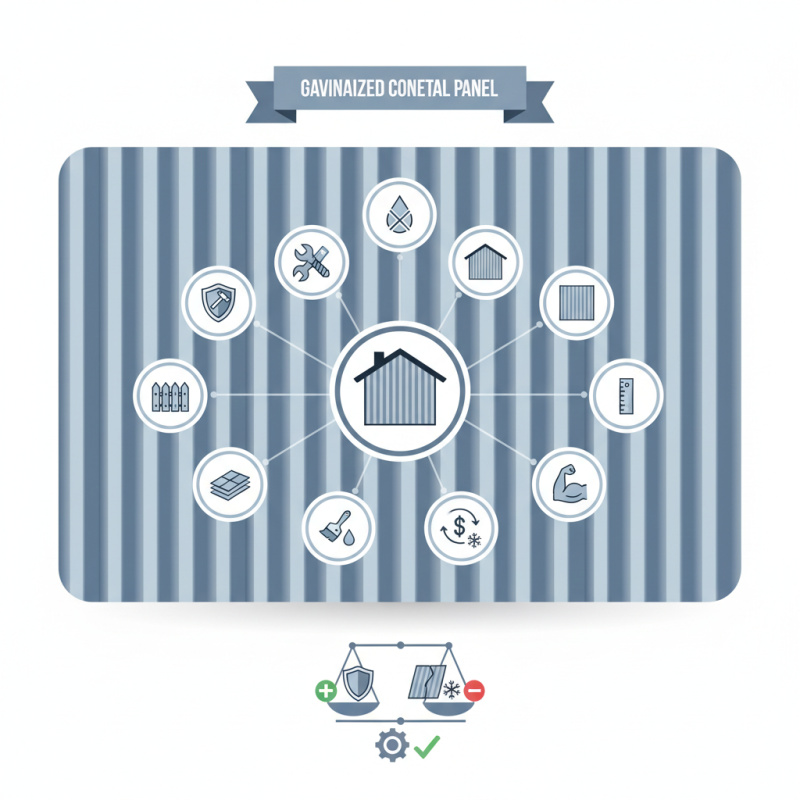
Understanding Galvanized Corrugated Metal Panels
Galvanized corrugated metal panels are widely used in construction and home improvement. Understanding their properties is key to making an informed choice. These panels are known for their durability and corrosion resistance. According to the Metal Construction Association, galvanized steel can last over 50 years with proper maintenance.
The thickness of the zinc coating plays a crucial role in longevity. For example, a coating of 1.5 oz/sq ft is ideal for roofing applications. Thicker layers provide better protection against the elements, ensuring a longer lifespan. The gauge of the metal is also important. Panels typically range from 24 to 26 gauge. Thicker gauges offer more strength but can be heavier.
Color and finish options vary, providing aesthetic flexibility. However, color fading can occur over time. The paints used on these panels can deteriorate due to UV exposure. It might require re-coating before the end of their lifespan. Understanding these aspects can help avoid future maintenance challenges. These factors highlight the importance of making an informed decision when choosing galvanized corrugated metal panels for your project.
10 Tips for Choosing Galvanized Corrugated Metal Panels
| Tip Number | Tip | Considerations |
| 1 | Gauge Thickness | Choose based on structural requirements and expected wear. |
| 2 | Sheet Size | Consider available sizes to reduce waste and costs. |
| 3 | Corrugation Profile | Select profile based on aesthetic preference and application. |
| 4 | Finish Type | Consider galvanized, painted, or natural finishes for durability. |
| 5 | Cost | Budget accordingly, comparing quality and thickness. |
| 6 | Warranty | Check for warranty options that offer long-term protection. |
| 7 | Installation Requirements | Consider if professional installation is needed. |
| 8 | Local Climate | Select panels that can withstand local weather conditions. |
| 9 | Maintenance Requirements | Choose panels that require minimal upkeep. |
| 10 | Recyclability | Consider using materials that are environmentally sustainable. |
Evaluating the Advantages of Using Galvanized Metal
When evaluating the advantages of using galvanized metal, consider its durability. Galvanized corrugated metal panels resist corrosion due to a protective zinc coating. This feature is vital in harsh environments. The lifespan of such panels can exceed 50 years, making them a wise investment. Many choices exist, but the right one can save costs in maintenance and replacement over time.
Another benefit is the ease of installation. These panels are lightweight, which simplifies handling and reduces labor costs. They can be cut and shaped on-site, allowing for customization. However, some might overlook the importance of proper fastening techniques. Poor installation can lead to leaks and other issues. It's crucial to prioritize quality in both materials and workmanship.
Aesthetically, galvanized metal provides a modern and industrial look. It's suitable for various applications, from roofing to siding. Yet, individuals may have mixed feelings about the appearance. While some appreciate the raw, rugged look, others might find it too utilitarian. Understanding the context of your project can help clarify your preferences. Balancing function and style is essential in this decision-making process.
Key Factors to Consider When Selecting Thickness and Profile
Choosing the right thickness and profile for galvanized corrugated metal panels is crucial. Thickness impacts strength and durability. Standard options range from 24 to 12 gauge. Thicker panels offer better resistance to dents and weather. However, they may be heavier and more expensive. Evaluating the environmental conditions where the panels will be installed is essential. Wind and snow loads should influence your choice.
The profile of the corrugated metal also plays a significant role. Different profiles affect not only aesthetics but also functionality. For instance, a wider corrugation may allow for quicker drainage, reducing wear and tear. Conversely, smaller profiles can create a more refined look but might accumulate debris. Consider the intended use. If the panels are for roofing, choose profiles with better water-shedding capabilities. If they're for siding, aesthetics may take precedence.
In addition, reflect on installation. Certain thicknesses are easier to cut and handle. If you’re inexperienced, a medium gauge could be a good fit. However, remember that your choice can impact the final look and longevity. Balancing aesthetics with practicality requires careful thought. Don’t rush this decision. Evaluate your options thoroughly to ensure a satisfying outcome.
Assessing Quality: Corrosion Resistance and Durability Matters
When selecting galvanized corrugated metal panels, corrosion resistance and durability are critical factors. According to industry reports, approximately 70% of metal deterioration occurs due to corrosion. Galvanization can effectively mitigate this, providing a protective zinc coating that significantly enhances longevity. Studies show that properly galvanized steel panels can last twice as long as unprotected ones in harsh environments.
Maintenance can pose challenges. While galvanized panels are resilient, they are not impervious to wear. Factors like moisture, humidity, and exposure can expedite corrosion. Regular inspections are essential for identifying early signs of deterioration. For instance, if surface rust appears, prompt action is required to prevent further damage.
Understanding the environment in which the metal will be used is crucial. Saltwater exposure can drastically reduce lifespan. In coastal areas, a thicker zinc coating may be necessary. This calls for a careful evaluation of specifications. Choosing the right product is vital, as the wrong choice can lead to premature failure. Decisions based on accurate data will ensure cost-effectiveness and satisfaction in the long run.
Corrosion Resistance vs. Durability of Galvanized Corrugated Metal Panels
Budgeting for Your Project: Pricing and Sourcing Options
When budgeting for galvanized corrugated metal panels, clarity is key. Start by determining your overall project budget. This will help you set realistic expectations for sourcing materials. Remember, pricing can vary based on thickness, finish, and size. Research and compare costs from different suppliers to find the best deals.
Prioritize quality while being mindful of your budget. Cheaper options may not always provide the longevity you expect. It’s essential to analyze the longevity versus cost. Consider additional expenses like shipping, handling, and installation. Sometimes, upfront savings can lead to higher long-term costs if panels fail prematurely.
Seek quotes from various vendors to ensure you are getting a fair price.
Don't overlook the potential for discounts on bulk purchases. Many suppliers may offer better pricing for larger orders. This could significantly reduce your overall expenses. Reflect on your long-term needs versus immediate savings. It’s a balancing act between quality and affordability. Be prepared for fluctuations in prices due to market conditions.