Top Tips for Choosing the Right Direct Attach Cable?
Choosing the right Direct Attach Cable (DAC) is crucial for network performance. Industry reports indicate that the global DAC market is projected to reach $1.7 billion by 2027. Such growth emphasizes the importance of quality and compatibility in your networking solutions.
According to John Talbot, a leading expert in cabling technology, “The choice of DAC can significantly affect your data center’s efficiency.” This highlights the importance of understanding your requirements before making a purchase. Different lengths, connectors, and specifications can impact speed and reliability. Ensuring that you select the proper DAC for your specific applications is essential to avoid potential issues.
Despite the availability of numerous options, many users struggle with choosing the right product. It often leads to frustration and inefficiencies. Reflecting on your current infrastructure and future needs can help guide this decision. Investing in the right Direct Attach Cable can enhance your network's performance and longevity.
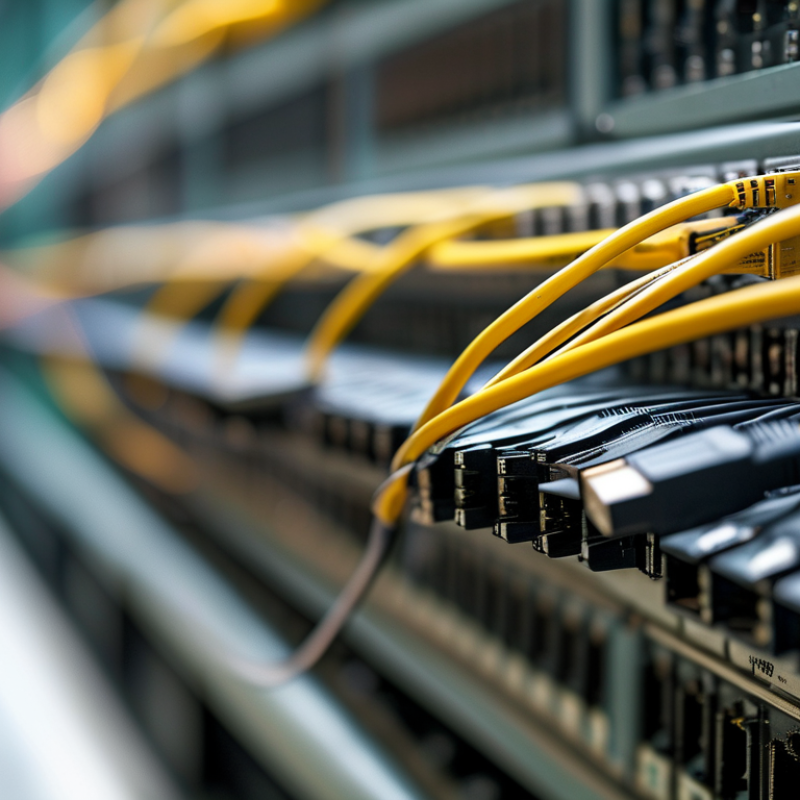
Factors to Consider When Selecting a Direct Attach Cable
When selecting a direct attach cable, it’s essential to consider various factors. Cable length plays a significant role in performance. Shorter cables, usually under 5 meters, often provide better signal integrity. A study by the Fiber Optic Association revealed that cable lengths exceeding this can lead to increased attenuation, which means signal loss becomes a concern.
Connector types are equally important. Match the connectors to your devices. Mismatched connectors may result in poor connectivity. According to research from the International Engineering Consortium, correct pairing can enhance overall system reliability and decrease downtime.
Additionally, the cable material influences durability and performance. Copper cables remain common in many installations due to their affordability. However, fiber-optic cables can handle higher data rates and longer distances. Industry reports indicate that fiber-optic cables can support transmission speeds exceeding 100 Gbps, which is critical for data centers.
Lastly, consider the environment where the cables will be deployed. Factors like temperature and humidity can affect cable lifespan and performance. Regular testing and assessments are necessary. Not all environments are suitable for every cable type. Being mindful of these factors is crucial in making a well-informed decision.
Top Tips for Choosing the Right Direct Attach Cable
Understanding Different Types of Direct Attach Cables
When selecting a direct attach cable (DAC), it's crucial to understand the different types available. DACs typically come in two main varieties: passive and active cables. Passive DACs are usually less expensive and suitable for short distances, often up to 5 meters. They utilize electrical signals to transmit data. On the other hand, active DACs can extend the reach up to 15 meters due to their built-in circuitry, which amplifies and conditions the signal.
A recent market analysis by the International Data Corporation (IDC) revealed that high-speed connectivity remains a priority in data centers. Their report indicates that over 70% of organizations prefer DACs for their cost-effectiveness and low latency, particularly in high-density environments. However, DACs may not be ideal for all situations. For instance, they can be less flexible in tight spaces due to their rigid construction.
It's important to consider the performance specifications of a cable. Look for metrics such as bandwidth and attenuation. A study published in the Journal of Networking and Computer Applications (JNCA) highlighted that improper cable selection can lead to significant bottlenecks. That can hamper overall network performance. Shorter cables might seem convenient, but may limit future scalability. Understanding these distinctions helps in making informed decisions on the right DAC for specific networking needs.
Evaluating Cable Length and Its Impact on Performance
When evaluating cable length, it's crucial to understand its impact on performance. A longer cable can introduce latency and signal degradation, particularly in high-speed applications. You might opt for a 10-meter cable for distance, but this can sacrifice quality. Shorter cables often yield better results, reducing the chances of interference. In many setups, a cable length of around 1 to 3 meters strikes a balance between flexibility and performance.
Test and evaluate different lengths for your specific needs. Performance metrics vary significantly based on distance. Some users have found that even minor deviations in length can lead to unexpected issues. If you run into problems with connectivity, consider the possibility that the cable length could be to blame.
Managing cable slack is another factor to ponder. Excess length can create clutter, impacting airflow and overall organization. Observing your workspace might reveal that shorter cables lead to cleaner setups. Prioritize functionality while being mindful of aesthetics. Pay attention to your specific environment and test various lengths until you find what works best. Every scenario is unique, and patience is essential in this selection process.
Assessing Compatibility with Your Hardware and Network Needs
When selecting a direct attach cable, compatibility with your hardware and network requirements is crucial. Look closely at the connectors and the cable type. Different devices may require specific cable standards. Ensure the cable supports the network speed you need. A mismatch can lead to poor performance.
Consider the hardware you already have. For instance, if you use older networking equipment, newer cables may not function correctly. Carefully check specifications to avoid disappointment. It's prudent to examine existing infrastructure before making a decision. Not every cable will serve every purpose.
Testing various cables can provide insights into what works best for your setup. Sometimes, it requires trial and error. Pay attention to the signals and speeds achieved during tests. Reflection on this process can lead to better long-term choices for your networking needs.
Recognizing Quality Standards and Certifications for Cables
When selecting a direct attach cable, understanding quality standards and certifications is crucial. Look for cables that comply with industry regulations. Certifications like UL, CE, or RoHS signal reliability. These standards ensure cables meet safety and environmental criteria. They also reflect the manufacturer's commitment to quality.
Pay attention to the materials used in the cables. High-quality cables usually feature proper insulation and shielding. Copper conductors are often preferred over aluminum. This choice affects signal transmission and overall performance. Additionally, check for certifications that guarantee durability. Some cables may look similar, but not all meet the same benchmarks.
It’s important to reflect on how cable choices impact long-term performance. Poorly made cables can lead to connection issues or system failures. Investing in certified products can save costs over time. While it can be tempting to purchase cheaper options, this may lead to higher risks of malfunction. Making informed decisions boosts network reliability and efficiency.