Top 10 Low Speed Electric Cars for Global Buyers
Choosing the right Low Speed Electric Car is not simply a matter of comparing prices. Global buyers must examine battery chemistry, driving range, charging time, cabin protection, service access, and local road requirements. A quiet neighborhood vehicle may suit a gated community, campus, resort, or compact urban district. It may feel completely inadequate on rough roads or longer daily journeys.
Electric-vehicle author and mobility journalist Jim Motavalli has said, “The future is electric.” His observation feels especially relevant to low-speed transport, where modest power can deliver practical, efficient mobility. Still, “electric” does not automatically mean suitable. Buyers should check real-world range, not only laboratory figures. They should also inspect tire quality, braking performance, visibility, seat comfort, and replacement-battery costs. Small details matter. A narrow turning circle can transform crowded streets. Weak weather protection can quickly change a pleasant commute into an uncomfortable one.
This guide introduces ten Low Speed Electric Car choices for buyers across different markets. The selection considers usability, build quality, operating cost, passenger capacity, and manufacturer support. It also recognizes an important limitation: specifications, warranties, and permitted operating areas vary by country. A model approved for private property may not be appropriate for public roads elsewhere. Our ranking is useful, but it is not flawless. Some vehicles offer impressive features yet lack strong dealer networks. Others look basic but perform reliably every day. Readers should compare the shortlist with their climate, terrain, charging access, and daily distance before making a decision. Personally, I would value dependable service over flashy screens. That choice is less exciting, but usually more practical.
What Defines a Low-Speed Electric Car?
Top 10 Low Speed Electric Cars for Global Buyers
What Defines a Low-Speed Electric Car?
A low-speed electric car is defined by limits, not appearance. Its top speed, weight, power, and road approval matter more than its compact shape. In the United States, NHTSA classifies a low-speed vehicle as a four-wheeled vehicle reaching 20–25 mph. It also requires a gross vehicle weight below 3,000 pounds. That range is narrow. It separates neighborhood transport from ordinary highway vehicles.
European rules use different categories. A light quadricycle generally cannot exceed 45 km/h. Its permitted mass and power also affect classification. These differences create practical confusion for global buyers. A vehicle legal on one road may need different equipment elsewhere. Check registration, lighting, braking, seat-belt, and road-access requirements before purchase.
The IEA’s Global EV Outlook 2025 reported more than 17 million electric cars sold worldwide in 2024. However, that figure covers mainstream electric cars, not low-speed vehicles alone. Market claims can therefore sound larger than reality. Low-speed models usually suit short trips, campuses, resorts, local deliveries, and dense residential areas. A typical test should include a full passenger load, a steep driveway, and repeated braking. Range figures may fall sharply in cold weather or with heavy cargo. That is easy to underestimate. The category remains useful, but imperfect.
Key Criteria for Comparing Models Worldwide
Comparing ten low-speed electric cars worldwide requires more than checking price, range, and appearance. The useful question is where each vehicle can legally operate. Local rules may classify it as a neighborhood vehicle, quadricycle, or another category. That classification affects registration, insurance, lighting, road access, and driver requirements. Check official transport guidance before trusting a seller’s description. Paperwork matters.
Range figures need careful interpretation. A claimed 120 kilometers may shrink with cold weather, hills, passenger weight, or frequent stops. Compare tested range, battery capacity, charging time, and usable energy, not one attractive number. Ask whether the charger suits your home voltage and parking space. For daily errands, a stable 60-kilometer range can be more useful than an optimistic figure. Still, published tests are not perfect. Traffic patterns vary widely.
Safety deserves equal attention. Look for seat-belt systems, visibility, braking performance, lights, mirrors, and protection from rain. Independent crash data may be limited for this vehicle class, so verified technical documents become important. Battery durability depends on cell quality, thermal control, charging habits, and replacement support. Request warranty terms in writing, including coverage for capacity loss. Service access is easy to ignore until a small fault leaves the car parked. I would also compare cabin width, turning circle, ground clearance, and winter performance. A narrow vehicle may fit an old city lane beautifully, yet feel unstable on rough roads. That trade-off deserves an honest test drive.
Top 10 Low-Speed Electric Cars for Global Buyers
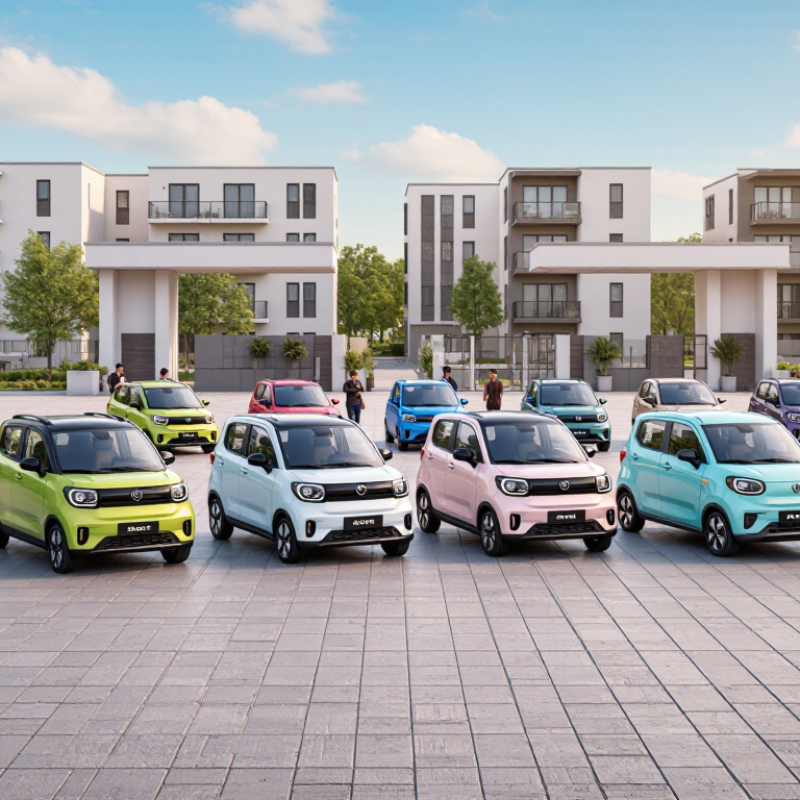
Low-speed electric cars are gaining attention among global buyers seeking quiet, compact transport. The top 10 choices usually serve different needs: neighborhood travel, campus movement, resort use, farm work, or short urban trips. Look for stable handling, clear visibility, strong braking, and a battery suited to your daily distance. A weatherproof cabin matters in rainy regions. In hot climates, ventilation and battery temperature control deserve equal attention. Some models feel refined; others feel surprisingly basic.
Tips: Check your local speed limits, registration rules, charging standards, and road-access requirements before purchasing. Measure your parking space carefully. Ask for battery warranty details, replacement costs, and verified range data. Test the car on slopes, rough pavement, and tight corners. A smooth showroom floor can hide weaknesses. Also inspect the charger plug and service network in your country.
For global buyers, the best low-speed electric car is rarely the fastest option. It should match local roads and realistic travel habits. A small turning radius helps in crowded lanes, while larger tires improve comfort on uneven surfaces. Seat belts, lights, mirrors, and structural protection should meet applicable safety requirements. Range claims may change with passenger weight, cold weather, hills, and battery age. I would not trust a brochure alone. Independent inspection is wiser, although it adds time and cost. Some buyers may also discover that a slower car feels safer, but that assumption still needs careful testing.
Regional Regulations, Safety Standards, and Import Considerations
Regional rules define whether a low-speed electric car is road-legal, exportable, or limited to private property. In the United States, a Low-Speed Vehicle generally travels above 20 mph but not over 25 mph, under Federal Motor Vehicle Safety Standard 500. European markets classify similar vehicles under L6e or L7e categories, with different speed, weight, and power limits. Rules diverge sharply. Importers should verify the destination category before comparing range or comfort.
Safety requirements also vary. U.S. certification may require seat belts, lamps, mirrors, and glazing, but it does not provide passenger-car crash protection. European approval can require additional equipment, yet a quadricycle is not automatically equivalent to a conventional car. The World Health Organization’s Global Status Report on Road Safety 2023 estimates 1.19 million annual road deaths worldwide. That figure makes speed limits, road separation, and occupant restraint practical concerns, not technical footnotes.
Import paperwork deserves equal attention. Request the certificate of conformity, battery specifications, charging compatibility, VIN records, and proof of previous registration. Check whether local authorities accept right-hand or left-hand drive layouts. Confirm customs duties, inspection fees, insurance eligibility, and battery transport rules before payment. The IEA’s Global EV Outlook 2024 recorded nearly 14 million electric car sales in 2023, but public datasets rarely separate low-speed cars from quadricycles. That gap weakens direct comparisons. I would not trust a seller’s “street legal” claim without written confirmation from the destination authority.
Top 10 Low Speed Electric Cars for Global Buyers
Regional Regulations, Safety Standards, and Import Considerations
How to read this chart: The bars show the stated maximum design or operating speed for representative low-speed electric vehicle categories. A higher speed limit does not automatically mean road access, registration eligibility, or better safety performance.
Import note: Buyers should verify vehicle classification, braking and lighting equipment, seat-belt requirements, battery certification, electromagnetic compatibility, charging compatibility, customs documentation, and local type-approval rules before purchasing.
Reference framework: U.S. FMVSS No. 500; Regulation (EU) No. 168/2013 for L6e vehicles; UK retained quadricycle classifications; India Central Motor Vehicles Rules for e-rickshaws and e-carts; Ontario neighbourhood electric vehicle pilot requirements; Brazil CONTRAN quadricycle classification; Japanese road-vehicle and moped speed classifications. Rules may differ by province, state, road, and vehicle configuration.
Charging, Ownership Costs, and Choosing the Right Model
Low-speed electric cars suit short urban trips, campus roads, and compact neighborhoods. Charging convenience often matters more than maximum range. A household outlet may restore enough energy overnight, but charging speed depends on wiring, battery size, and outdoor temperature. A dedicated wall charger can reduce waiting time, although installation adds an upfront expense. Public charging is useful during unexpected trips. It is not always nearby.
Ownership costs include electricity, insurance, tires, servicing, and battery replacement risk. Energy costs are usually predictable. Multiply the vehicle’s energy use by your local electricity rate, then compare it with fuel costs for similar journeys. Small tires may cost less, but uneven roads can increase wear. Battery warranties differ widely, so read the coverage period and replacement conditions carefully. Keep records. Resale value remains difficult to predict.
Choosing among the top ten requires matching the car to daily habits. Measure your regular route, parking space, and winter temperature. A shorter-range model may be sensible for a reliable five-mile commute. A larger battery could justify its price when charging access is limited. Check seating, cargo space, braking performance, visibility, and legal speed limits in your area. Some specifications look impressive on paper but feel restrictive in traffic. I would test-drive before paying, even if the cabin feels familiar. Personal experience can expose poor visibility, awkward controls, or uncomfortable suspension that a brochure cannot show.