

nbc logo (2)
Office address
National Engineering Industries Ltd.
Khatipura Road Jaipur – 302006 Rajasthan, India
Phone Number

Toll Free: 1800 3000 6222
Telephone: +91 141 222 3221
Fax: +91 141 222 1926, 222 2259
CIN: U29130WB1946PLC013643

Why Choose Vegetarian Diet Supplements?

Why Choose Vegetarian Diet Supplements?

A vegetarian plate can be colorful and satisfying: lentils steaming beside brown rice, yogurt with berries, or tofu browning in a pan. Yet even varied meals may not consistently provide every nutrient a person needs. Vegetarian Diet Supplements can help fill specific gaps, but they are not automatic necessities or substitutes for thoughtful eating.

Registered dietitian and plant-based nutrition researcher Brenda Davis emphasizes, in paraphrase, that vegetarian diets should be planned to meet individual nutrient needs. That practical idea matters more than a crowded supplement shelf. Depending on food choices, life stage, health, and local fortification practices, nutrients such as vitamin B12, vitamin D, iodine, iron, or omega-3 fats may deserve attention. Needs differ. A blood test or qualified clinician’s advice can be more useful than guessing from symptoms or online lists.

Choosing a supplement should involve checking its nutrient form, dose, ingredients, and quality testing. Labels can look reassuring while offering little context. More is not always better, and supplements can interact with medicines or be unsuitable for some health conditions. Keep a simple food-and-supplement record, then discuss concerns with a registered dietitian or clinician. That may feel less exciting than buying a complete-looking bundle. Still, careful choices are usually safer, clearer, and more personal.
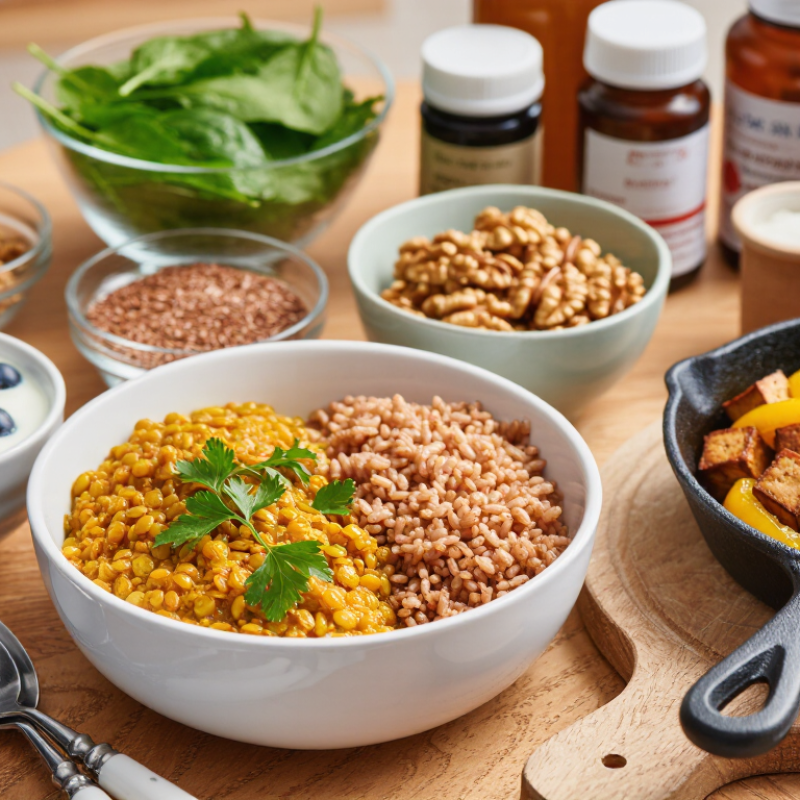
Why Choose Vegetarian Diet Supplements?

Understanding Vegetarian Diet Supplements

Vegetarian diet supplements are products that help fill specific nutrient gaps; they are not a required part of every vegetarian diet. Needs vary with food choices, age, health, and life stage. A diet including eggs and dairy differs from a fully plant-based diet. So does a menu built around beans, lentils, tofu, nuts, and fortified foods.

Vitamin B12 deserves attention, especially for people who avoid all animal products. Reliable fortified foods or a suitable supplement can help meet needs. Iron is found in lentils, beans, and leafy greens, but absorption varies. Eating these foods with vitamin C, such as peppers or oranges, can improve iron absorption. Supplements are not automatically better. Excess iron can be harmful. Vitamin D, iodine, and omega-3 fats may also warrant attention, depending on diet and circumstances.

Check labels for nutrient amounts and serving sizes, rather than relying on words like “natural.” A clinician or registered dietitian can consider your food pattern, health history, and, when appropriate, test results. That step matters if you feel unusually tired, but fatigue has many possible causes. It is easy to assume one nutrient is responsible. Sometimes that guess is wrong.

Nutrients That May Require Special Attention

Why Choose Vegetarian Diet Supplements?

Nutrients That May Require Special Attention

A vegetarian diet can include beans, lentils, whole grains, vegetables, fruit, nuts, and dairy or eggs, depending on the eating pattern. Supplements may help fill specific gaps, but they are not automatically necessary. A food diary and a conversation with a qualified health professional can help identify what deserves attention.

Vitamin B12 is a key consideration, especially for people who avoid all animal products. Fortified foods and supplements can provide reliable sources; unfortified plant foods are not dependable sources of active B12. Iron also merits care. Lentils and spinach contain iron, though the body absorbs it less readily than iron from meat. Eating them with vitamin C-rich foods, such as oranges or bell peppers, may improve absorption. Needs differ by age, health, and life stage.

Calcium and vitamin D support bone health, while iodine helps the thyroid make hormones. Fortified plant drinks may provide calcium and vitamin D, but labels vary. Iodine intake can be harder to estimate when iodized salt and seafood are absent. Omega-3 fats are another possible consideration; chia seeds and walnuts offer plant-based ALA, which the body converts to other omega-3 forms only in limited amounts. More supplements are not always better. Testing and individualized guidance can prevent unnecessary or excessive intake. My own grocery notes have missed fortified-food details before, so checking labels still matters.

Reasons Vegetarians May Choose Supplements

Vegetarian diets can be nourishing, but food choices and nutrient needs vary. Supplements may help fill specific gaps, especially when meals are restricted, schedules are busy, or fortified foods are not part of the routine. They are not automatically necessary for every vegetarian.

Vitamin B12 deserves attention. The NIH Office of Dietary Supplements lists 2.4 micrograms per day as the adult recommended allowance; naturally occurring B12 is found mainly in animal foods. Fortified foods can provide another source, but intake may be inconsistent. Small details matter: check labels on plant milks and cereals, rather than assuming they are fortified. Iron is another consideration. The same NIH fact sheet notes that vegetarian iron is less readily absorbed and estimates vegetarians may need nearly 1.8 times the standard intake. Pairing beans or lentils with vitamin C-rich foods, such as bell pepper, can support absorption.

Needs differ. That part is easy to miss. A supplement choice depends on the overall diet, life stage, health conditions, and sometimes blood-test results. More is not always better, and high doses can cause harm. A clinician or registered dietitian can help identify a real shortfall and suggest an appropriate dose. A tidy checklist is tempting, but it cannot replace individual advice.

How to Select Supplements for a Vegetarian Diet

Choosing supplements for a vegetarian diet starts with your actual meals, health history, and lab results—not a generic “vegetarian” label. Someone who eats eggs and dairy may have different needs from someone relying on beans, grains, vegetables, and fortified foods. Vitamin B12 deserves particular attention, especially when animal-derived foods are absent; ask a clinician whether testing or supplementation makes sense. Depending on your diet and circumstances, vitamin D, iodine, iron, calcium, or omega-3 fats may also merit discussion. Needs vary. Fatigue alone cannot identify a deficiency, and taking extra iron without guidance may be unhelpful or harmful.

Read the Supplement Facts panel for the amount per serving, serving size, and nutrient form, then compare it with your diet. Look for independent quality testing, clear ingredient lists, and realistic doses; a larger number is not automatically better. If you take medicines, are pregnant, or manage a health condition, consult a qualified health professional before adding supplements. Keep a simple food-and-supplement log for a week: note fortified plant milk at breakfast, lentils at lunch, and any tablets taken. This can help reveal duplicate nutrients or gaps, though it is not a diagnosis. Labels still confuse me sometimes; bring the bottle or a photo to an appointment, and ask what you may be able to skip.

Why Choose Vegetarian Diet Supplements? - How to Select Supplements for a Vegetarian Diet

Nutrient Why It May Need Attention Adult Reference Intake Vegetarian Food Sources What to Look for in a Supplement Important Selection Notes
Vitamin B12 Reliable natural sources are limited because B12 is found mainly in animal-derived foods. 2.4 µg/day for adults Fortified plant beverages, fortified breakfast cereals, fortified nutritional yeast Cyanocobalamin or methylcobalamin; choose a clearly stated dose and serving schedule. Especially important for vegans and people who consume few fortified foods. Follow label directions or professional advice.
Iron Plant foods provide non-heme iron, which is generally absorbed less efficiently than heme iron. 8 mg/day for adult men and postmenopausal women; 18 mg/day for premenopausal women. Vegetarian requirements may be higher. Lentils, beans, tofu, fortified grains, pumpkin seeds, spinach A product providing a moderate dose, preferably selected after reviewing iron status. Do not take high-dose iron routinely without medical guidance. Vitamin C-rich foods can improve absorption; tea and coffee may reduce absorption when consumed with meals.
Vitamin D Dietary intake and sunlight exposure may be insufficient, particularly in winter or for people with limited sun exposure. 15 µg (600 IU)/day for adults aged 19–70; 20 µg (800 IU)/day for adults over 70 Fortified plant beverages, fortified foods, UV-exposed mushrooms Vitamin D3 from lichen or vitamin D2; select a dose appropriate to dietary intake and blood-test results. Check whether the product is suitable for a vegetarian or vegan diet. Avoid excessive long-term intake without professional advice.
Calcium Low intake may occur when fortified foods, calcium-set tofu, or dairy foods are not regularly consumed. 1,000 mg/day for most adults; 1,200 mg/day for women over 50 and men over 70 Fortified plant beverages, calcium-set tofu, kale, bok choy, fortified orange juice Calcium citrate or calcium carbonate; compare the amount of elemental calcium per serving. Absorption is generally better in doses of 500 mg or less at one time. Separate calcium from certain medicines when advised.
Zinc Phytates in beans, grains, nuts, and seeds can reduce zinc absorption. 11 mg/day for adult men; 8 mg/day for adult women. Vegetarian diets may require additional intake. Legumes, whole grains, nuts, seeds, dairy foods, fortified cereals A moderate-dose zinc supplement such as zinc citrate, gluconate, or picolinate. Avoid chronic high doses because excessive zinc can interfere with copper status. Soaking, sprouting, and fermenting foods may improve mineral availability.
Iodine Risk may increase when iodized salt and dairy or seafood are avoided. 150 µg/day for adults; 220 µg/day during pregnancy Iodized salt, some fortified foods, dairy foods, carefully controlled seaweed intake A clearly labeled iodine amount, commonly supplied as potassium iodide. Seaweed iodine content varies widely. People with thyroid conditions should consult a healthcare professional before supplementing.
Omega-3 Fatty Acids Plant foods mainly provide ALA, while conversion of ALA to EPA and DHA is limited. ALA: 1.6 g/day for adult men; 1.1 g/day for adult women. No standard daily intake is established for EPA or DHA. Ground flaxseed, chia seeds, walnuts, hemp seeds, canola oil Algae-derived DHA, EPA, or a combination of both for a plant-based option. Check the actual DHA and EPA amounts rather than the total oil weight. Discuss use with a clinician if taking anticoagulant medication.
Protein A varied vegetarian diet can provide adequate protein, but intake may be challenging with low appetite, high activity, or restricted diets. Approximately 0.8 g/kg of body weight per day for healthy adults Tofu, tempeh, beans, lentils, peas, seitan, dairy foods, eggs, quinoa A simple protein powder with a clearly stated protein amount and minimal unnecessary additives. Choose a product compatible with allergies and dietary restrictions. Protein needs can be higher for athletes, older adults, or people recovering from illness.
Choline Egg-free and dairy-free diets may provide less choline unless legumes, soy foods, vegetables, and other sources are consumed regularly. 425 mg/day for adult women; 550 mg/day for adult men Soybeans, tofu, beans, quinoa, broccoli, peanuts, eggs Consider a multinutrient product only when dietary intake is consistently low and the label provides a meaningful amount. Avoid combining multiple products without checking the total daily amount.

Reference values are general adult targets and may vary by age, sex, pregnancy, health status, medication use, and national dietary guidelines. Supplements should complement a varied diet rather than replace it.

Safe Use and Professional Guidance

Why Choose Vegetarian Diet Supplements?

Safe Use and Professional Guidance

A vegetarian diet can provide abundant fibre, legumes, vegetables, fruit, and whole grains. Some nutrients may still require closer attention. Vitamin B12, iron, iodine, vitamin D, and omega-3 fats are common examples. Needs vary with age, pregnancy, health conditions, and dietary patterns. A registered dietitian can review meals, symptoms, and recent blood results before suggesting supplements.

Check the label. Look for clear nutrient amounts, serving sizes, and suitable vegetarian ingredients. Do not assume a higher dose offers better protection. Excess iron can cause harm, while unnecessary iodine may affect thyroid function. A pharmacist can also check possible interactions with medicines or other supplements. Keep products in their original containers, away from heat and children.

Safe use includes recording the product, dose, and start date. A simple calendar can prevent accidental double dosing. Follow professional advice rather than online testimonials. Some symptoms, such as tiredness or brittle nails, have several possible causes. Supplements may not solve them. I have noticed how easy it is to treat a label as a diagnosis, and that is a mistake worth revisiting. Professional follow-up can clarify whether a supplement is useful, unnecessary, or needs adjustment.