What Are Ball Bearings and What Types Are Available?
Ball bearings are small components with a demanding job. They reduce friction between moving surfaces while carrying radial, axial, or combined loads. Inside a bearing, hardened balls roll between inner and outer rings. A thin film of lubricant protects the polished raceways. Even a tiny scratch can create noise, heat, and early failure.
Tribologist Peter Jost described tribology as “the science and technology of interacting surfaces in relative motion and of related subjects and practices.” His definition explains why ball bearings require more than simple size matching. Load, speed, temperature, contamination, lubrication, and alignment all influence performance. In practical terms, a bearing in a clean electric motor faces different conditions from one inside a dusty conveyor system.
This article examines what ball bearings are and how their designs differ. Deep-groove ball bearings suit many general-purpose applications. Angular-contact bearings manage combined radial and axial forces. Thrust ball bearings handle primarily axial loads. Self-aligning types tolerate limited shaft misalignment. Hybrid ceramic bearings can reduce electrical damage and friction in selected high-speed equipment.
The choice is rarely perfect. A lower-cost bearing may appear suitable, yet poor sealing can shorten its service life. A larger bearing may carry more load, but it can also increase drag and space requirements. That is why engineers compare operating data, not only catalog dimensions. Understanding each type helps readers select bearings more confidently, maintain them correctly, and recognize when a design needs deeper technical review.
Ball Bearing Definition and Core Components
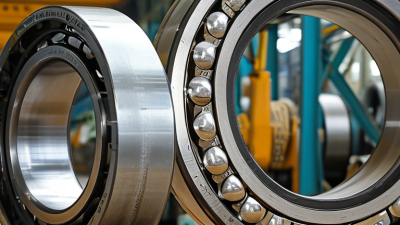
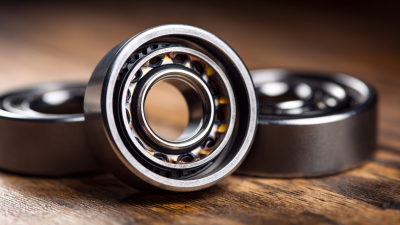
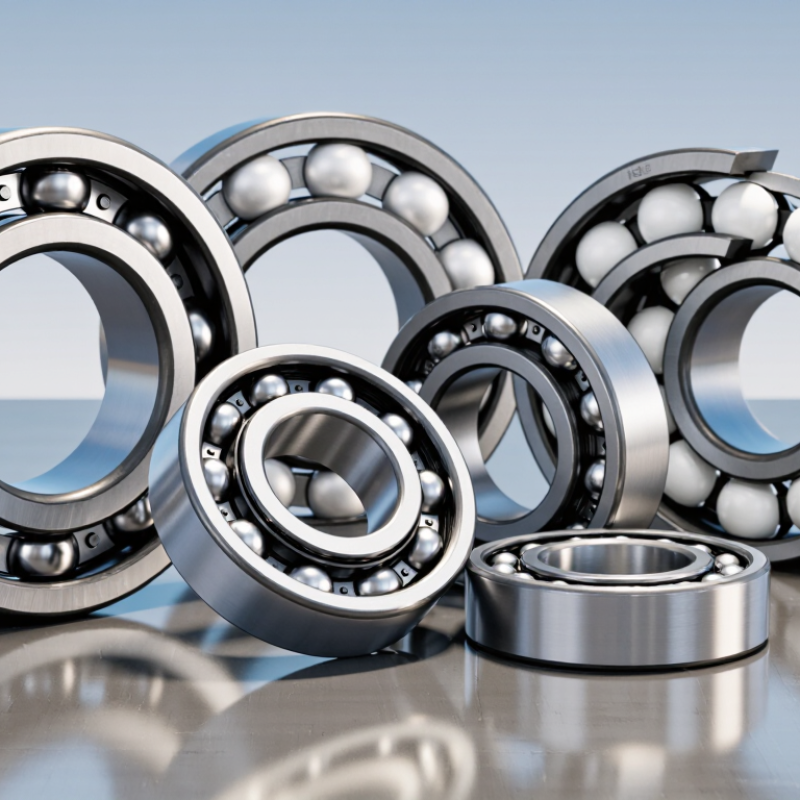
A ball bearing is a mechanical component that reduces friction between moving parts. It supports rotating shafts while allowing smooth, controlled movement. Its core parts include an inner ring, outer ring, rolling balls, and a cage. The inner ring fits around the shaft, while the outer ring sits inside the housing. The balls travel along precision-made raceways between these rings. The cage spaces each ball evenly and helps prevent contact. Small details matter. Optional seals or shields help block dust and retain lubricant, although they can increase friction slightly.
Several ball bearing types serve different operating conditions. Deep-groove bearings handle common radial loads and limited axial loads. Angular-contact bearings manage combined loads, especially when axial force is significant. Thrust ball bearings mainly support axial loads, such as pressure along a shaft. Self-aligning bearings tolerate small misalignment between the shaft and housing. Selection depends on speed, load direction, temperature, clearance, and available space. It is not guesswork.
In workshop inspections, damaged raceways often show faint lines, pitting, or uneven polishing. These marks can reveal overload, poor lubrication, or contamination. A bearing may look clean but still contain microscopic damage. That is easy to miss.
Proper installation requires clean tools, correct fits, and even force applied to the appropriate ring. Excessive grease is not always safer; it may raise operating temperature. Engineers should check operating data rather than rely on appearance alone, because real conditions often differ from the original design assumptions.
How Ball Bearings Reduce Friction and Transfer Loads
What Are Ball Bearings and What Types Are Available?
How Ball Bearings Reduce Friction and Transfer Loads
Ball bearings use hardened balls between inner and outer raceways. The balls roll rather than slide, reducing contact friction during rotation. This rolling action lowers heat, energy loss, and surface wear. It is not friction-free. The balls still deform slightly under load. A thin lubricant film separates metal surfaces and limits damage. When lubrication is poor, a dry squeal may appear before visible scoring.
Radial loads act across the shaft, while thrust loads act along it. Bearing geometry determines how effectively each load reaches the housing. Deep-groove designs suit common radial loads and modest axial loads. Angular-contact designs handle combined loads more deliberately. Thrust bearings are intended mainly for axial force. In a rotating pump, radial force may come from belt tension or imbalance. The bearing transfers that force through the balls into the surrounding structure. Excessive load flattens contact zones and raises internal stress quickly. Preload can improve stiffness, but excessive preload creates heat. That trade-off is easy to underestimate.
Selection should consider speed, load direction, temperature, contamination, and shaft alignment. Seals help keep dust and moisture away from rolling surfaces. However, seals also add resistance and may limit high-speed operation. A maintenance check should look for noise, vibration, temperature changes, and grease leakage. One warning: catalog calculations cannot capture every installation error. A slightly misaligned shaft may shorten service life despite correct capacity figures. Real equipment often exposes assumptions that looked sound on paper.
Main Types of Ball Bearings by Design and Contact Angle
Ball bearings support rotating shafts while reducing friction between moving surfaces. Their design determines how they handle radial loads, axial loads, speed, and misalignment. The contact angle is especially important. It describes the angle between the load path and a plane perpendicular to the bearing axis.
Deep-groove ball bearings have a small contact angle and mainly carry radial loads. They can also accept moderate axial loads in both directions. Their simple structure suits electric motors, fans, pumps, and general machinery. Angular-contact ball bearings use a larger contact angle. This lets them manage higher axial loads in one direction, while supporting radial forces. Pairing two bearings can handle axial loads in both directions. The arrangement must be selected carefully.
Thrust ball bearings are designed mainly for axial loading. They are useful when forces act along the shaft, but they usually perform poorly under heavy radial loads. Self-aligning ball bearings contain two rows of balls and can tolerate limited shaft misalignment. Double-row designs provide greater load capacity within a similar space. However, more balls do not always mean better performance. Lubrication, clearance, operating speed, and mounting accuracy still matter. A bearing may appear suitable on paper, yet fail early when contamination or shaft deflection is ignored. The boundary is not always neat. Reviewing real load direction and contact conditions prevents many selection mistakes.
Selecting the Right Ball Bearing for Each Application
What Are Ball Bearings and What Types Are Available?
Selecting the Right Ball Bearing for Each Application
Ball bearings reduce friction between moving parts by using hardened balls between rings. Their design supports radial loads, axial loads, or both. Common types include deep-groove, angular-contact, thrust, and self-aligning bearings. Each type behaves differently under speed, temperature, and load.
Selection should begin with the application, not the catalog photograph. Check the shaft diameter, housing space, rotational speed, and expected load direction. A deep-groove bearing suits many electric motors and conveyor rollers. Angular-contact bearings handle combined loads more effectively, especially in machine-tool spindles. Thrust bearings work well when force travels along the shaft, but they are not ideal for heavy radial loads.
The environment matters just as much. Dust, water, vibration, and frequent washing can shorten bearing life. Seals help block contamination, while shields reduce friction at higher speeds. Lubricant choice also affects heat and service intervals. In practice, engineers should compare static capacity, dynamic rating, clearance, and calculated life using recognized bearing standards.
Small details often decide performance. Misalignment may create noise within weeks. Excessive preload can raise operating temperature quickly. I have found that installation errors are sometimes mistaken for poor bearing quality. Measure fits carefully, use clean tools, and avoid striking the rings directly. The “perfect” bearing choice is rarely perfect after field conditions change. Allow room for inspection and adjustment.
What Are Ball Bearings and What Types Are Available?
Ball-bearing types are selected according to the direction of the applied load. Deep-groove and self-aligning ball bearings are mainly used for radial loads, angular-contact and four-point-contact bearings support combined radial and axial loads, while thrust ball bearings are designed primarily for axial loads. The scores show relative design suitability on a 0–5 scale and are intended as selection guidance rather than catalog load ratings.